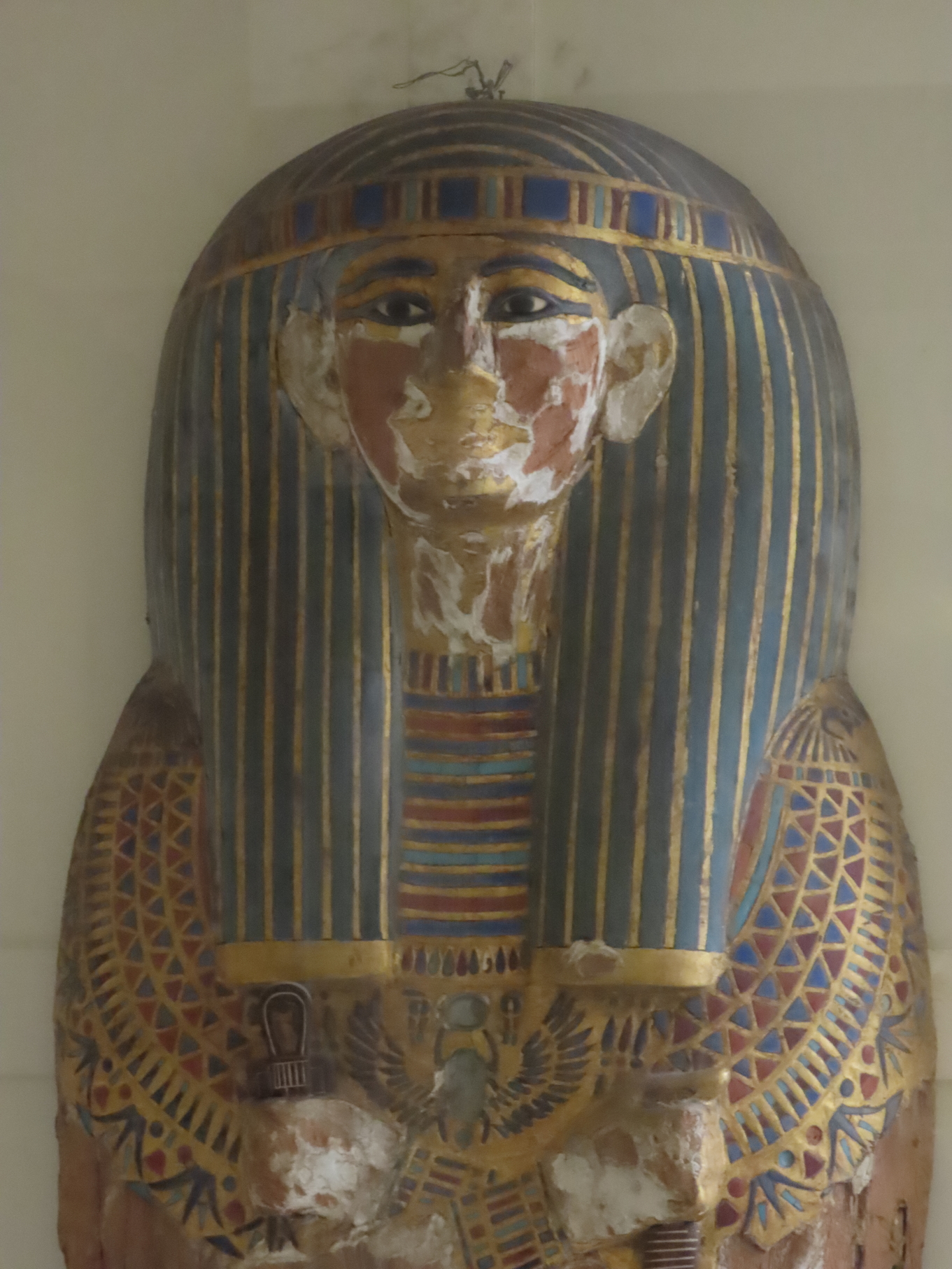
The coffins of Pinedjem I
Upon close examination, the outer coffin (set CG 61025, the mummy has no CG number) decorated and inscribed for Pinudjem I was found to have been usurped from the funerary equipment of Tuthmosis I, dating to the 18th Dynasty. The inner coffin of this set is also generally considered to have been appropriated from the same ruler’s burial. However, Edward Loring notes that the dating and original ownership of the inner coffin remain debated, citing Daressy, Robins, and Eaton-Krauss as supporting the possibility that the inner coffin was originally made for Pinudjem I himself (TRC, 211, n. 66). Regardless of its provenance, significant modifications were required to adapt the 18th Dynasty outer coffin for the burial of a 21st Dynasty king.
The foot section of the outer coffin had been almost completely broken off, and about one third of the inner coffin’s foot section was missing. These losses suggest that both coffins were subjected to plundering, either in antiquity or more recently. During excavations in DB320 between 1998 and 2006, Erhart Graefe discovered a fragment from the damaged foot end of Pinudjem I’s inner coffin in Corridor F, indicating that the coffin had likely been plundered by the Abd el-Rassul family in modern times (TRC, 53f., cat. no. 007).
Additional damage is visible on the surfaces of both coffins, which have been extensively marred with an adze. This indicates that both were once lavishly covered with thick gold foil. The removal of the gilding was performed with some care, deliberately avoiding sacred images and certain inscriptions, suggesting that the adze-work was carried out during an official reburial process under the supervision of necropolis officials. This processing likely took place during the transfer of Pinudjem I from a previous burial location, probably the tomb of Inhapi, to DB320.
Speculation about why Pinudjem I chose at least one of Tuthmosis I’s coffins for his own burial often centers on his apparent fascination with his Tuthmosid ancestors. He named one of his sons Menkheperre (the throne name of Tuthmosis III) and a daughter Maatkare, a name used by Hatshepsut. Aidan Dodson points out that these names were quite rare in the 21st Dynasty (AoE, 45), suggesting that Pinudjem I may have been motivated by antiquarian interests, much like the 20th Dynasty rulers who adopted the name Ramesses as part of their royal titulary. Pinudjem I may have wished to associate himself and his family with the prestige of the Tuthmosids and to be buried in a coffin imbued with the aura of this illustrious lineage.
If this was his intention, it was inadvertently thwarted by necropolis workers who mishandled his burial. It is likely that Pinudjem I’s mummy was removed from his coffins for safety while these heavy objects were being lowered into the deep shaft of DB320. When the coffins were reassembled, an anonymous mummy, traditionally, but dubiously, identified as Tuthmosis I, was mistakenly placed inside, while Pinudjem I’s mummy ended up in the large late-17th or early-18th Dynasty coffin of Ahhotep, where it remained until its discovery in the 19th century.
Source Bibliography: AoE, 45; CCR, 50ff.; pl. XXVIII; DRN, 213, n. 27, 255; MiAE, 329; TRC, 211, n. 66, 53f., cat. no. 007.
Source 2025-07: Edited from a now-defunct page of The Theban Royal Mummy Project via Wayback Machine
Source url: http://anubis4_2000.tripod.com/mummypages1/DB320Coffins/PinudjemICoffins.html
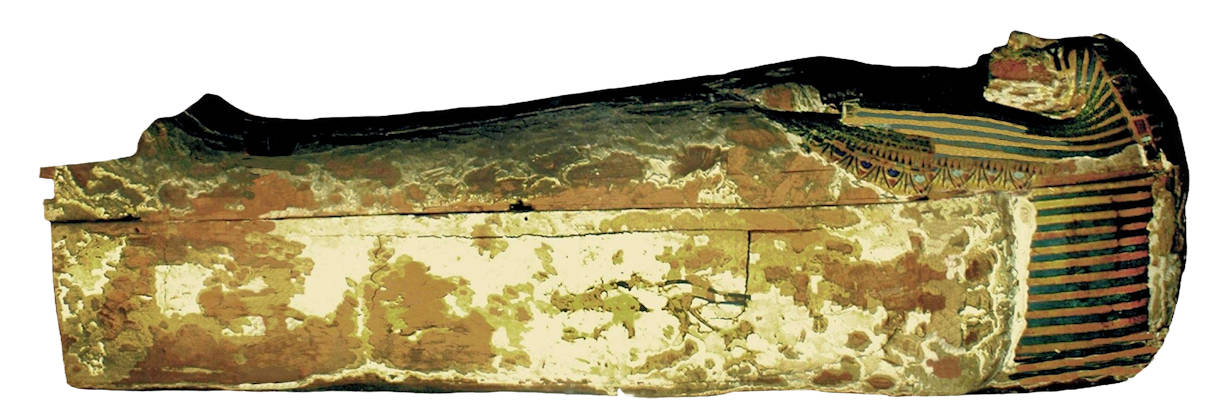
Exterior coffin Pinedjem I ursurped from Tuthmosis I. Cairo Museum CG 61025. Photo: Cesras – Edward Loring

CG 61025
Pinedjem I’s outer and inner coffin lids from Georges Daressy’s Cercueils des cachettes royales, Cairo, 1909
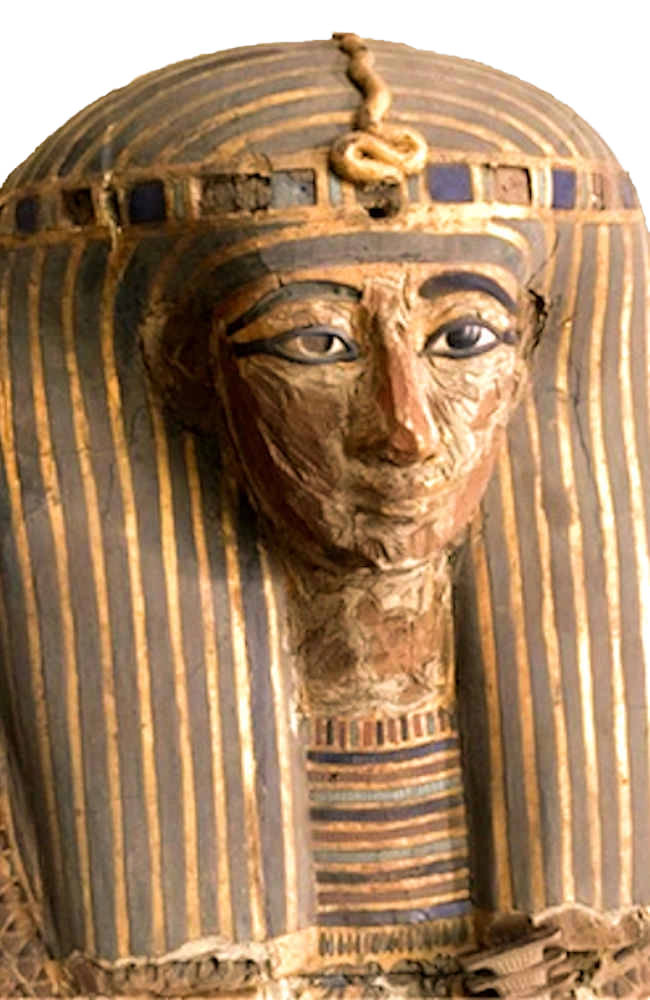
Pinedjem’s I outer coffin
Photo: Institute of Classical Architecture & Art,
Southern California
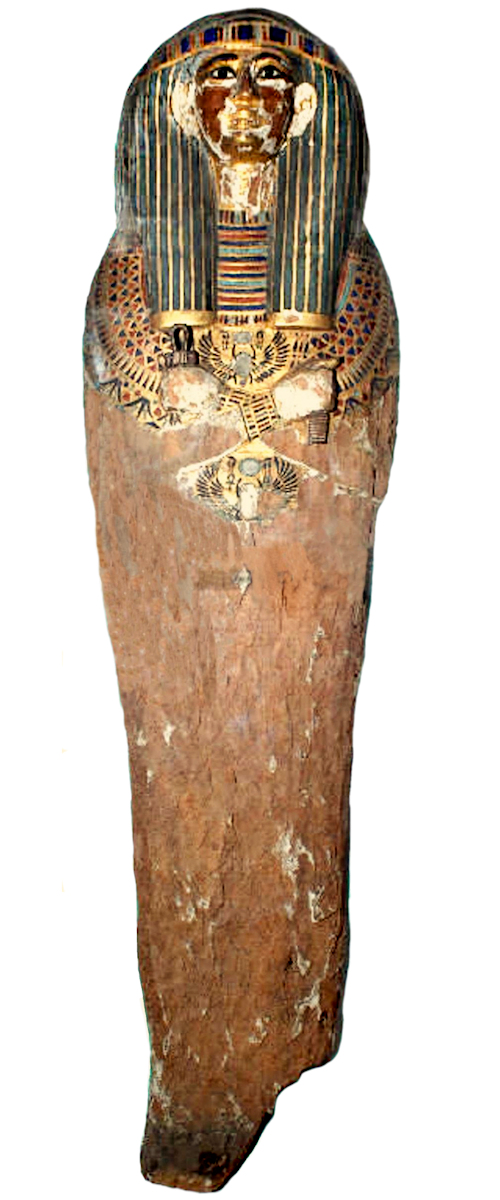
Pinedjem’s I inner coffin
Photo: CESRAS
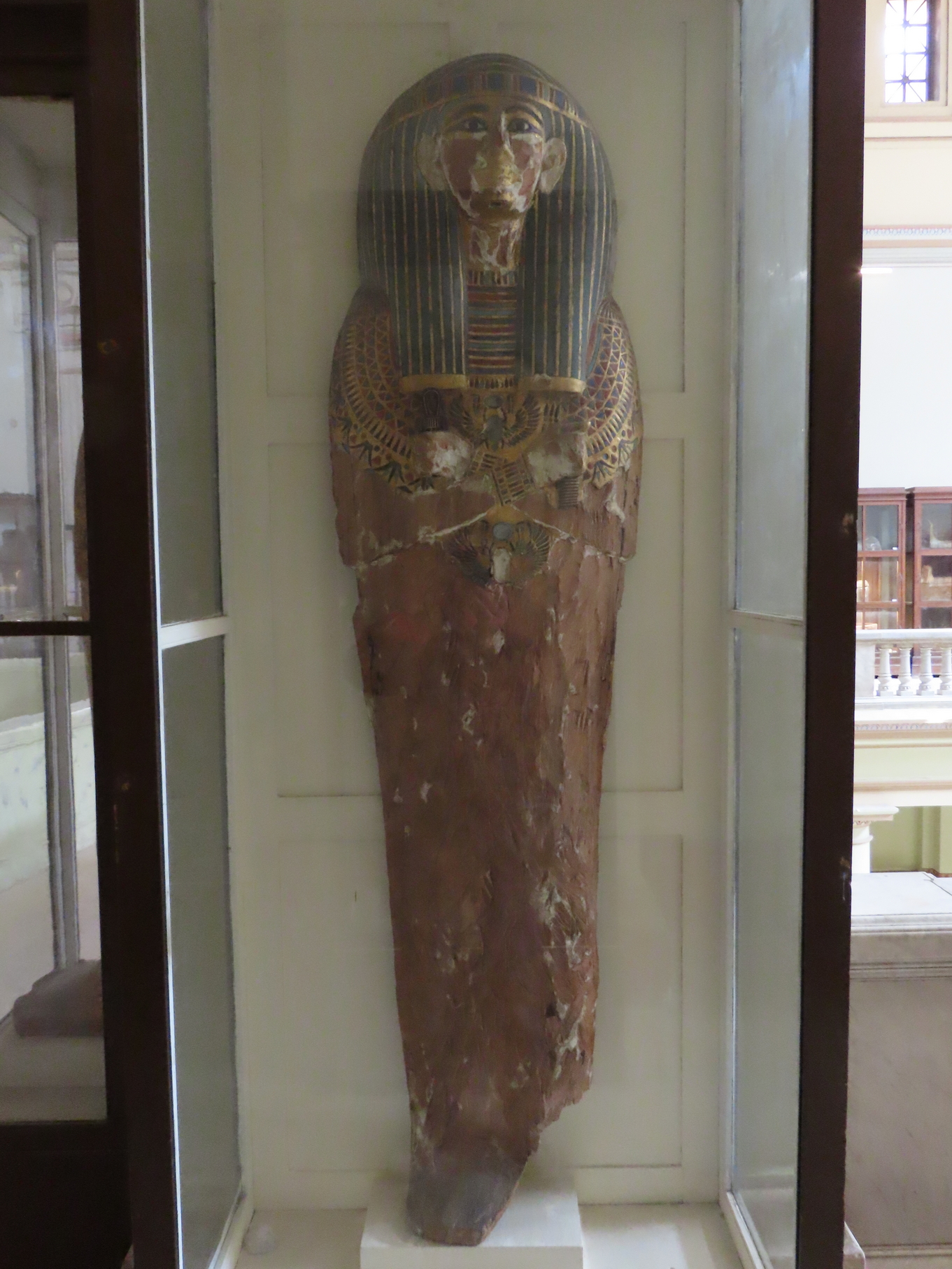
CG 61025 Pinedjem I coffins photo VB 2015 001

CG 61025 Pinedjem I coffins photo VB 2015 002
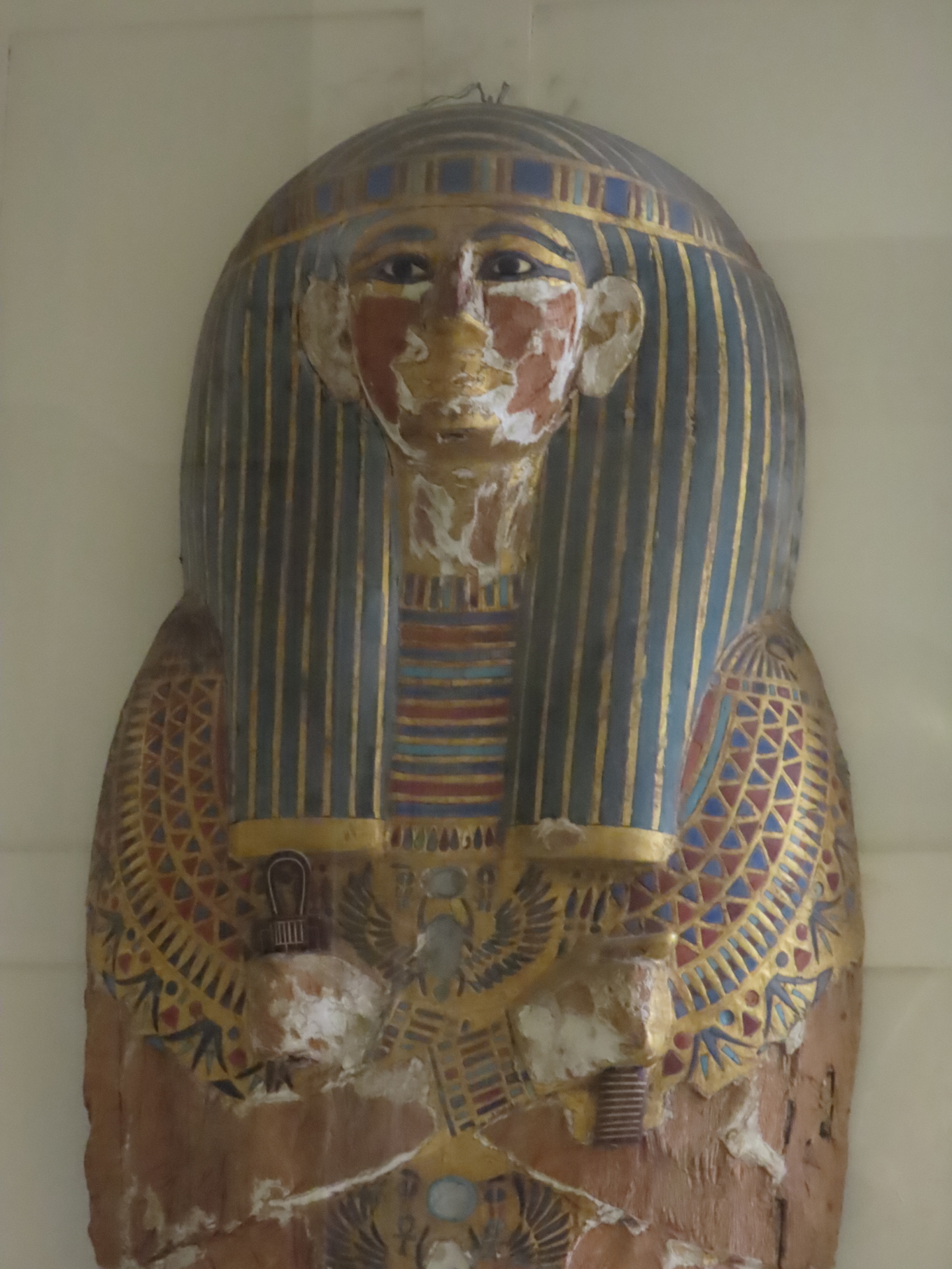
CG 61025 Pinedjem I coffins photo VB 2015 003