The coffins of Nestanebetisheru
The coffin set (CG 61033) and mummy of Nestanebetisheru (CG 61096), daughter of Pinedjem II and Nesykhonsu, offer an important example of elite Theban burial practices during Egypt’s 21st Dynasty. Her burial was found in end chamber F of the royal cache DB 320, a tomb primarily used to safeguard members of the high priestly family from tomb robbery. Notably, her interment appears to have remained undisturbed by ancient grave robbers, reinforcing the view that DB 320 was her original burial place.
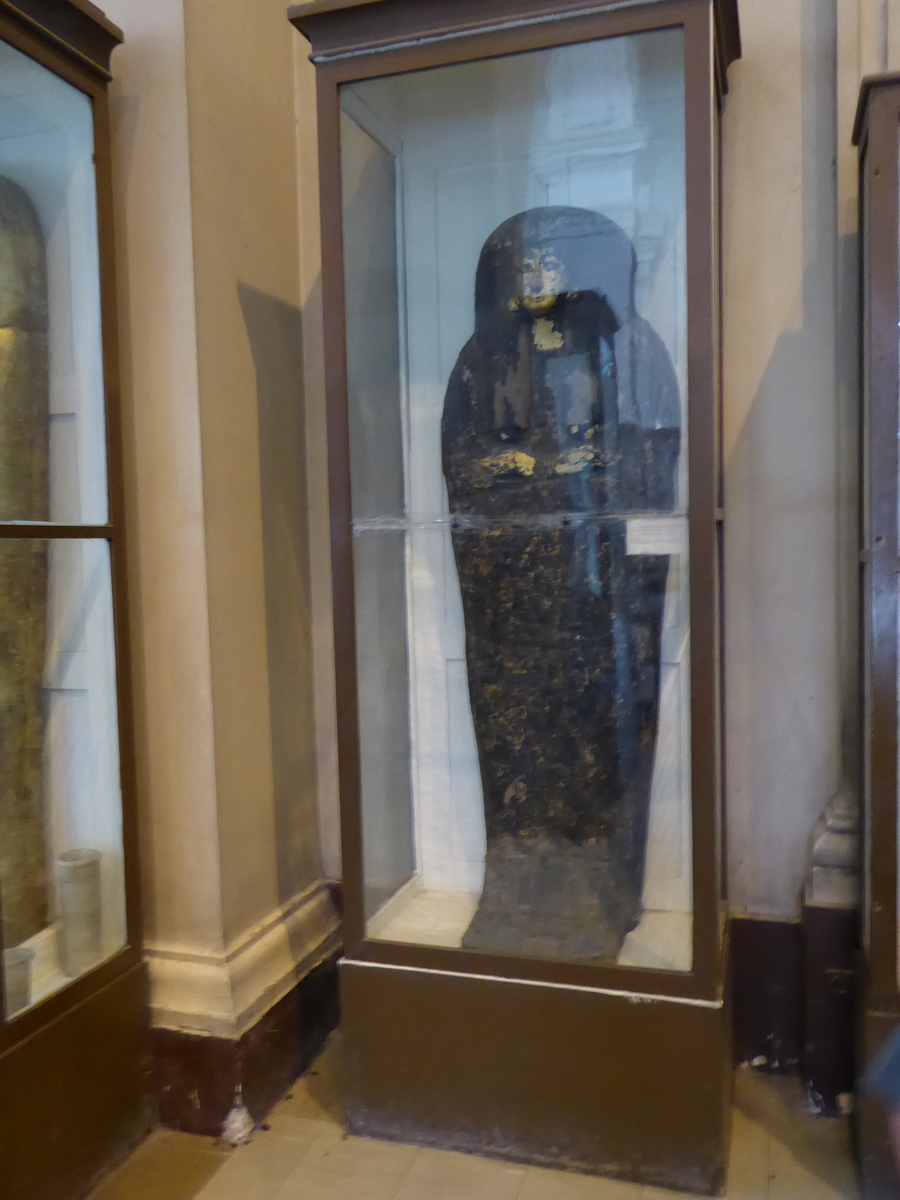
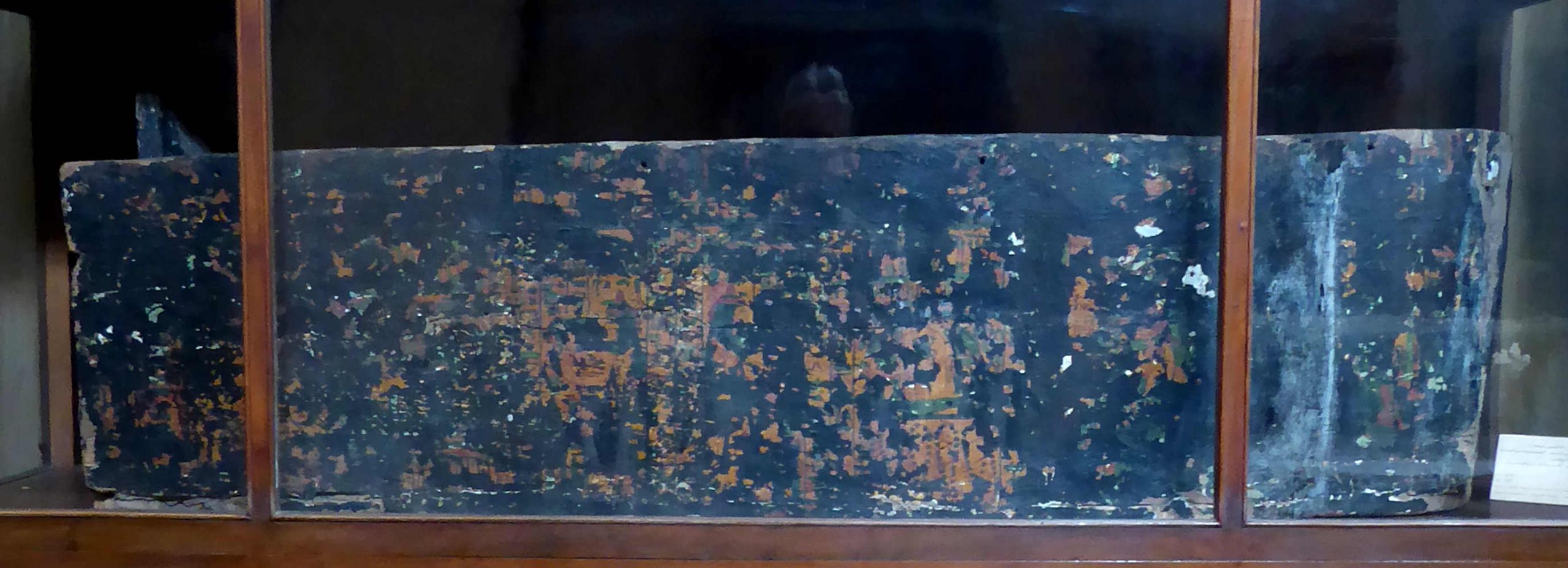
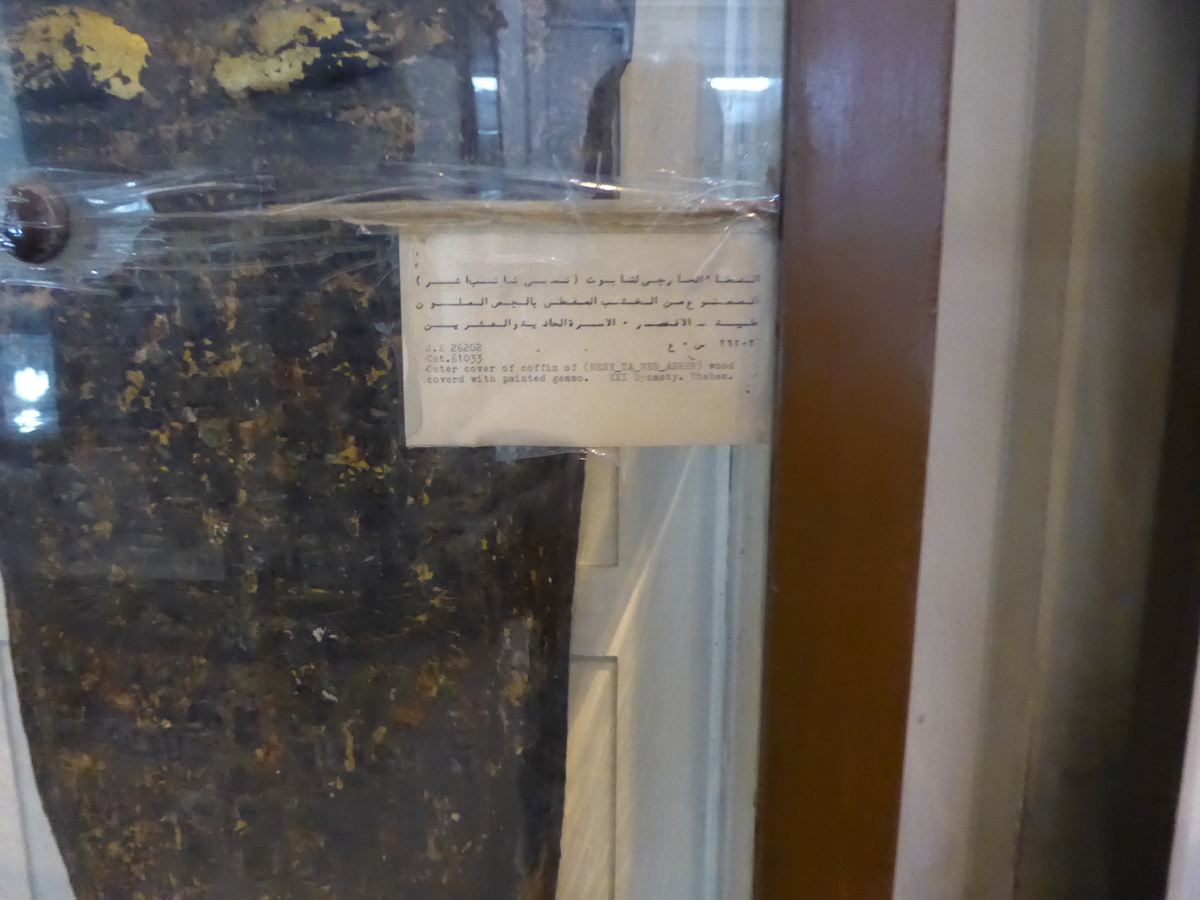
Although the mummy and inner coffin survived intact, the outer coffin bears a conspicuous and uneven coating of a tarry black substance, which largely obscures its inscriptions and decorative motifs. This blackening has complicated the interpretation of her coffin’s original iconography, although some feminine features, such as the elaborate wigs, gilded earrings, and extended gilded fingers, are still discernible and reflect the gender-specific visual language of coffins from this period. Under the black substance, traces of detailed deity figures, winged scarabs, and complex funerary collars characteristic of 21st Dynasty “Yellow” coffins are occasionally visible.
Several theories have been put forward to explain the purpose of the black coating. Early proposals suggested it may have been a primer for redecoration, left unfinished due to Nestanebetisheru’s unexpected death; others posited it resulted from a preservation attempt following water damage, perhaps because she had initially been buried elsewhere. However, recent analysis indicates that the black layer was likely applied deliberately as part of an evolving ritual tradition. Impressions of reed brushes in the black layer point to intentional application rather than accidental residue. Chemical analysis of similar 22nd Dynasty coffins has identified this material as a complex mixture containing resin and bitumen, added for either ritualistic or decorative purposes.
The symbolism of the black coating is best understood in the context of Egyptian religious beliefs. Black was associated with fertility, rebirth, and the god Osiris, reflecting the life-giving black silt deposited by the Nile. By sheathing coffins in black varnish, funerary practitioners sought to evoke these associations, transforming the coffin into a symbolic womb from which the deceased could be reborn. The extensive use of Osirian themes on coffins from this period suggests that this new tradition was gaining prominence in elite Theban burial assemblages.
Finally, the present damaged and patchy condition of the outer coffin’s black layer may be at least partly the result of later handling: the hurried clearance of the tomb after its discovery in 1881 and subsequent restoration attempts at the museum possibly caused further loss of the surface coating.
Source Bibliography: AGS, 58, 60; CCR, #61033; DRN, 189, 257; GCSS, 61, 161; KC
Source 2025-07: Revised and improved based on a now-defunct page of The Theban Royal Mummy Project via Wayback Machine
Source url: http://anubis4_2000.tripod.com/mummypages1/DB320Coffins/Nestanebtishru.htm
Outer and inner coffin Nestanebetisheru, Cairo Museum JE 26202 / CG 61033. The decoration of the outer coffin is covered with black bitumen
Photo: VB 2015
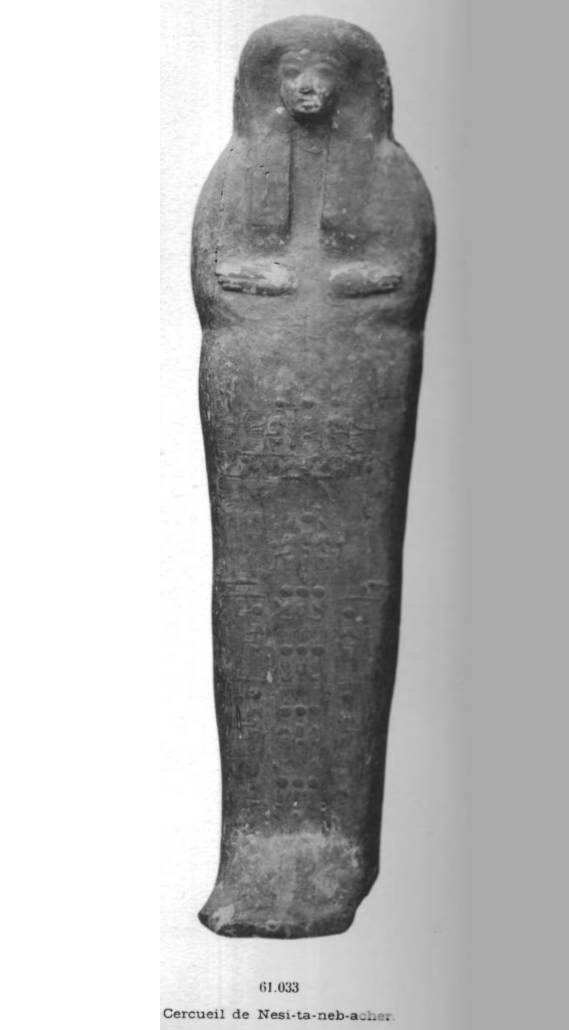
CG 61033
Nestanebetisheru’s outer coffin from Georges Daressy’s Cercueils des cachettes royales, Cairo, 1909

Outer coffin lid Nestanebetisheru
Photo: CESRAS
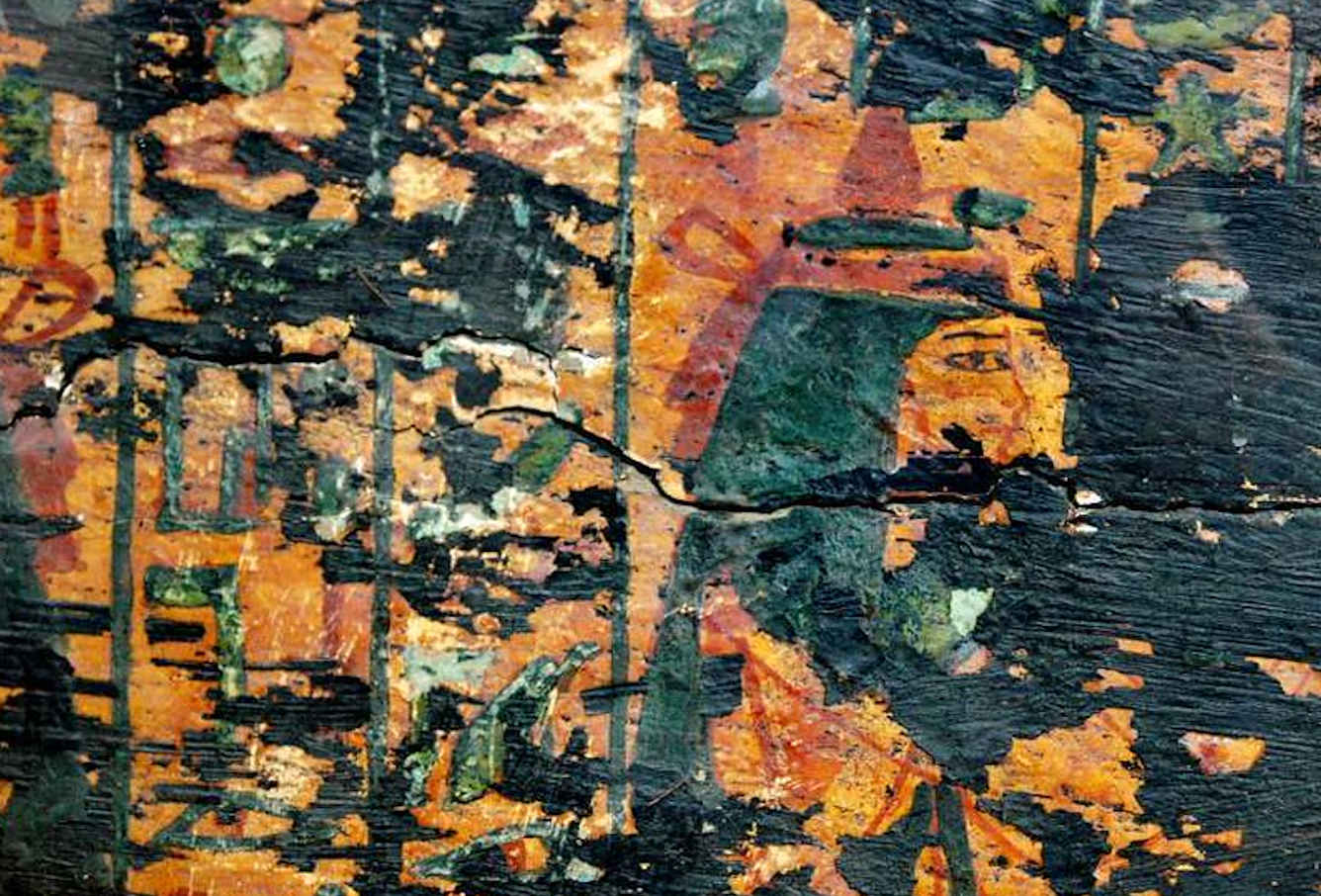
Detail of the outer coffin that is coated with a black substance that obscures most of its inscriptions and decorations
Photo: Edward Loring 2007
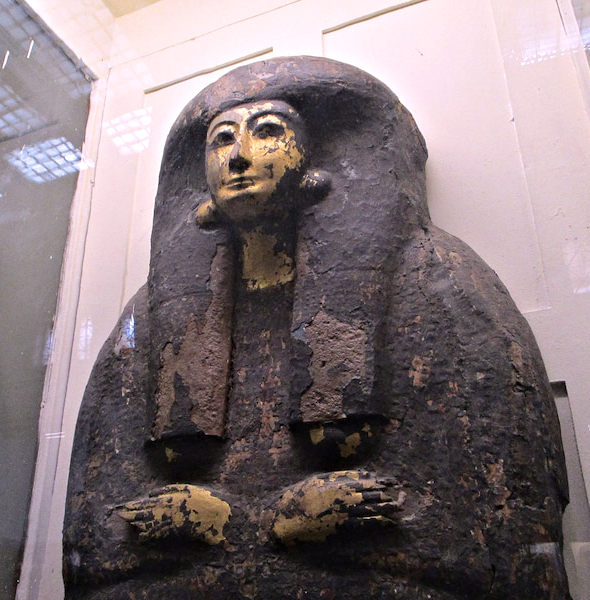
Outer coffin lid Nestanebetisheru
Photo: Bastet on Ameba
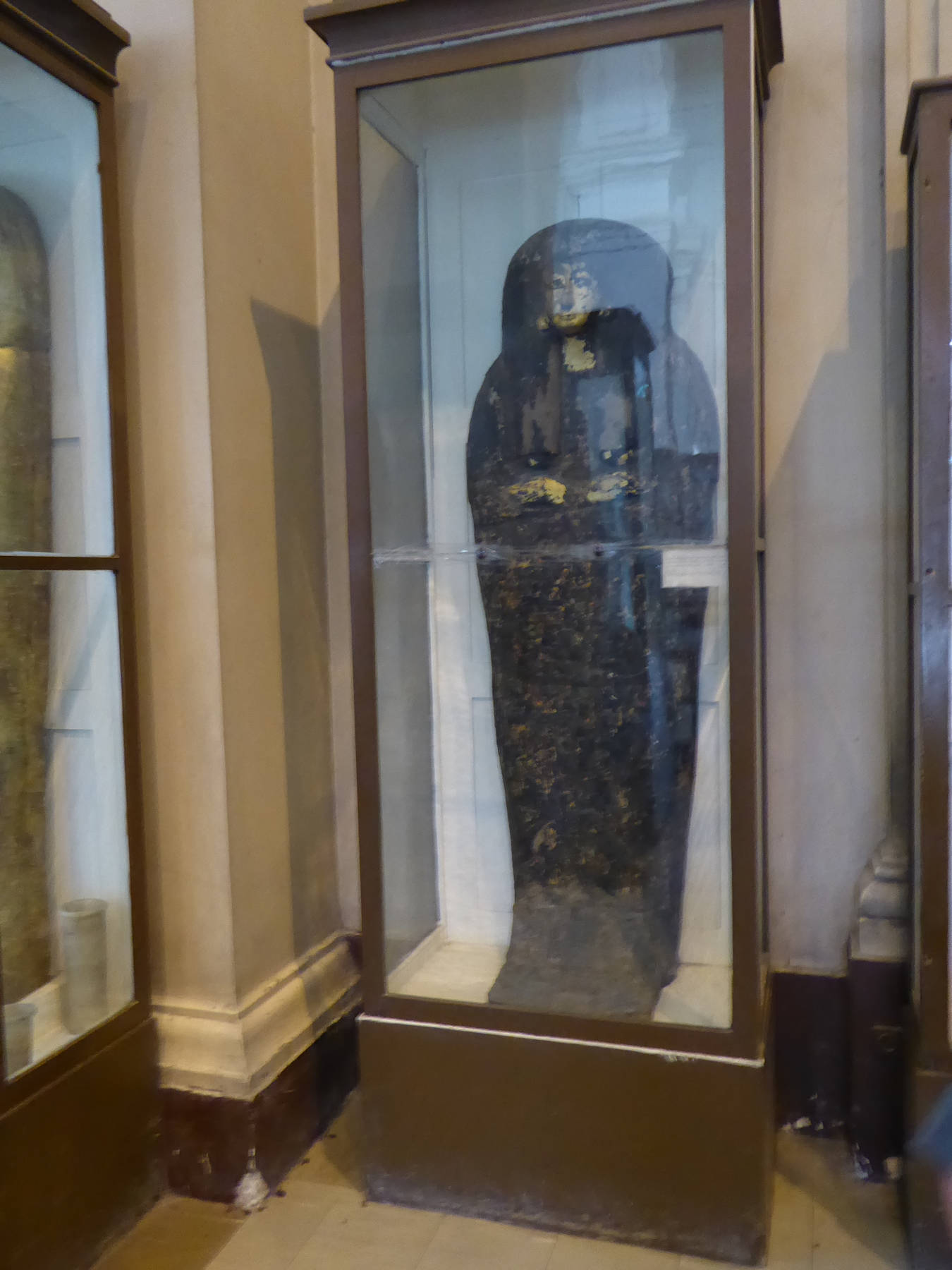
Nestanebetisheru’s outer coffin lid, EMC Cairo
Photo: VB 2015
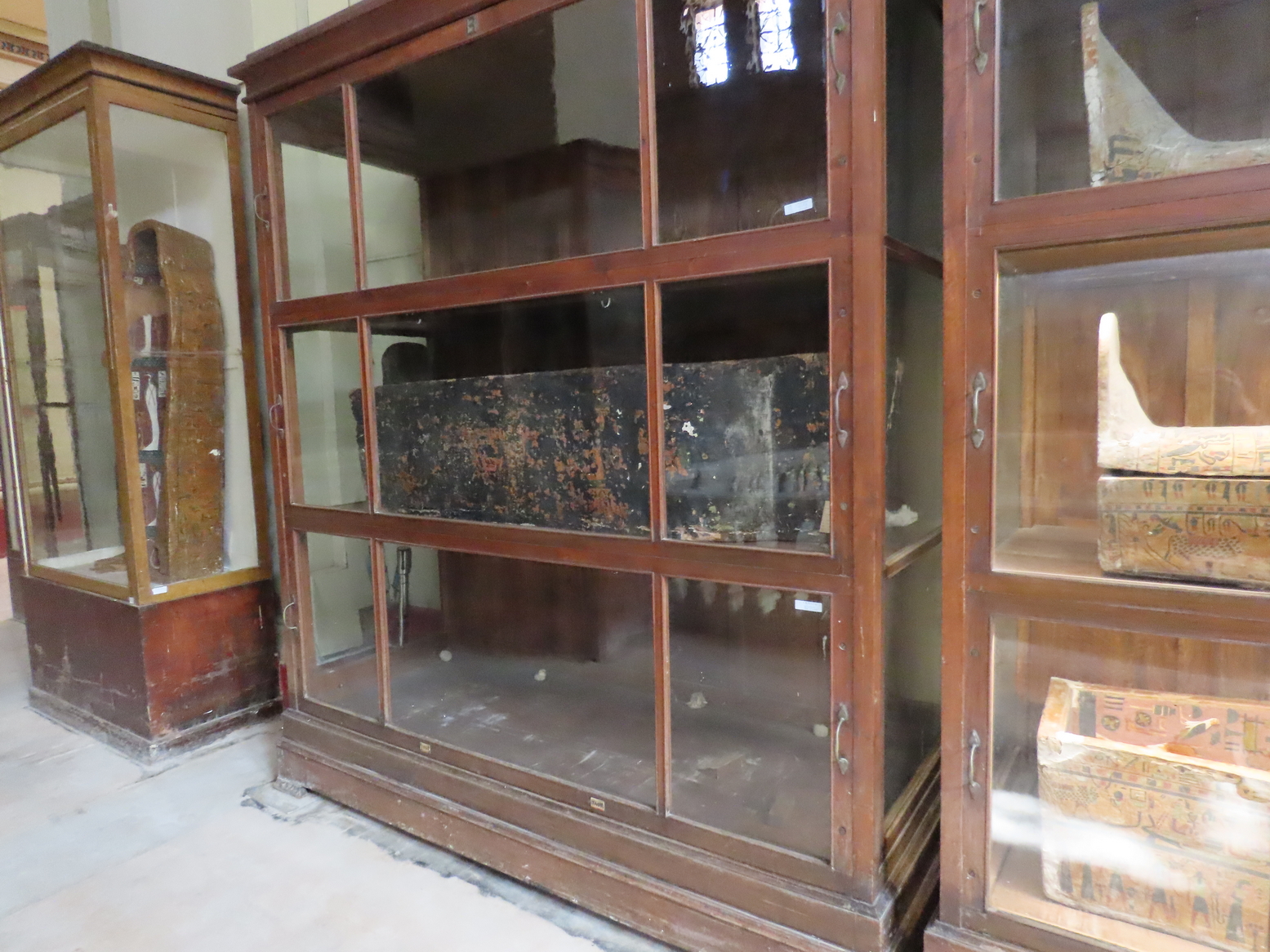
CG 61033 Nestanebetisheru coffins photo VB 2015 001
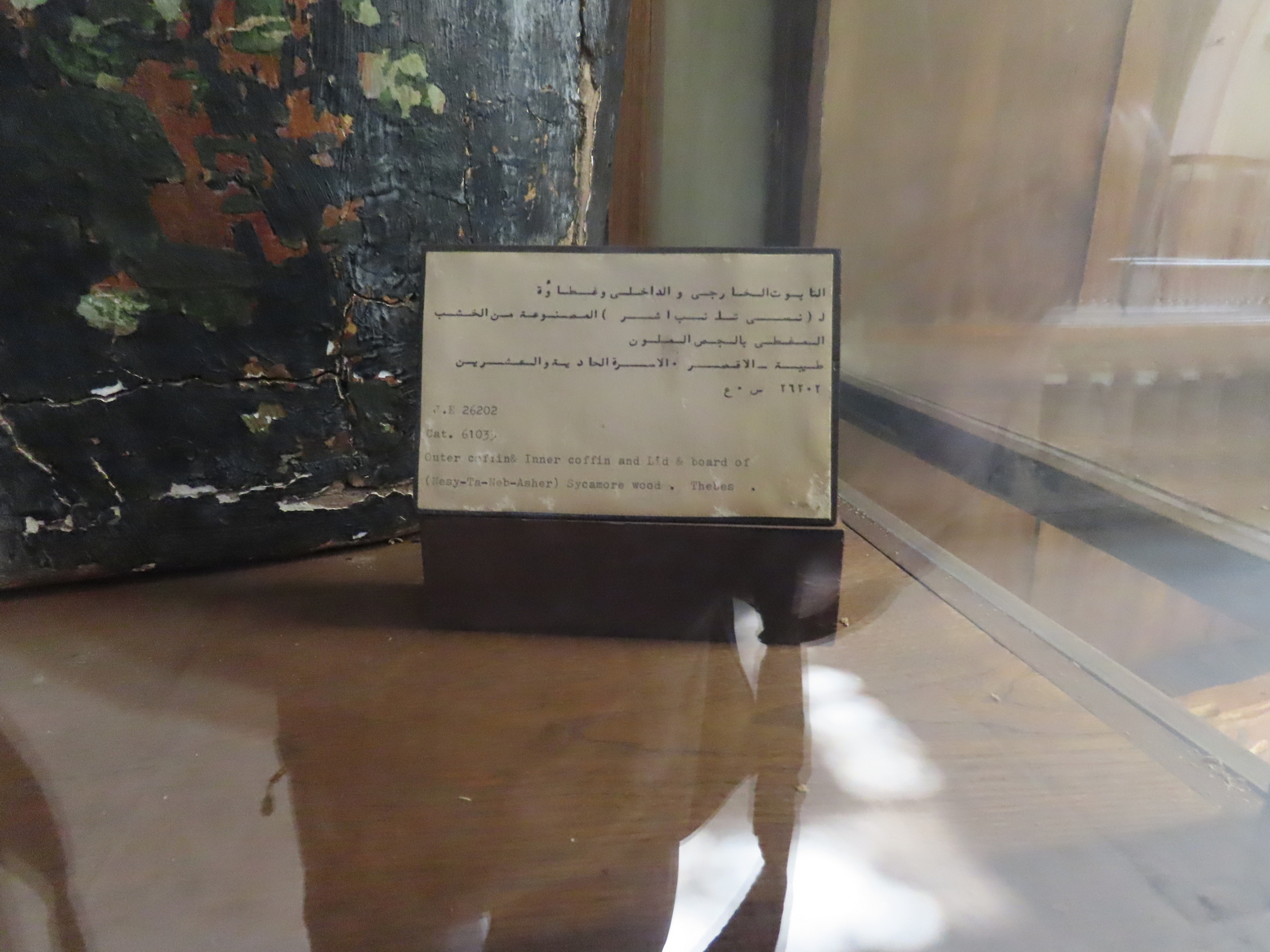
CG 61033 Nestanebetisheru coffins photo VB 2015 004

CG 61033 Nestanebetisheru coffins photo VB 2015 005

CG 61033 Nestanebetisheru coffins photo VB 2015 006
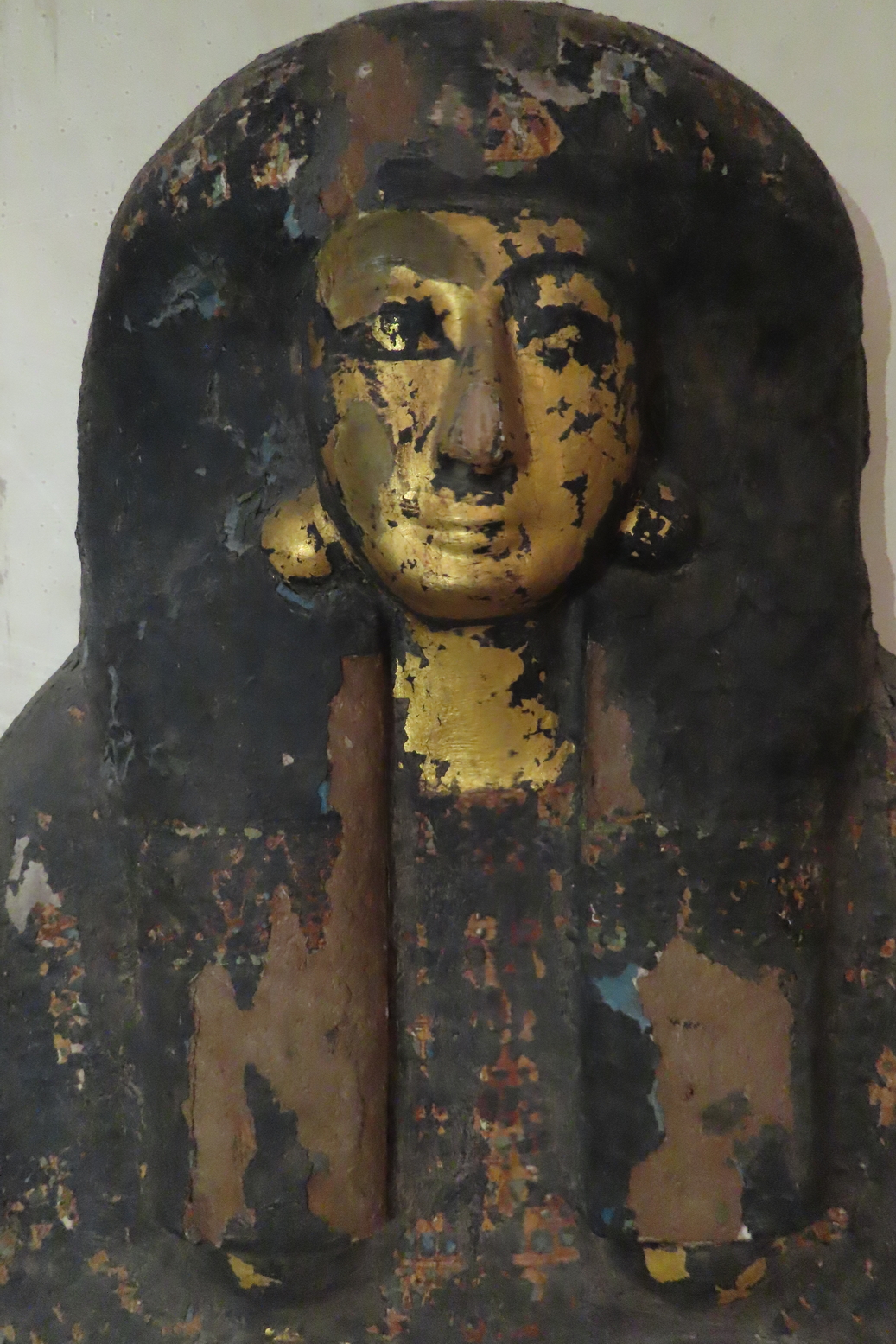
CG 61033 Nestanebetisheru coffins photo VB 2015 007
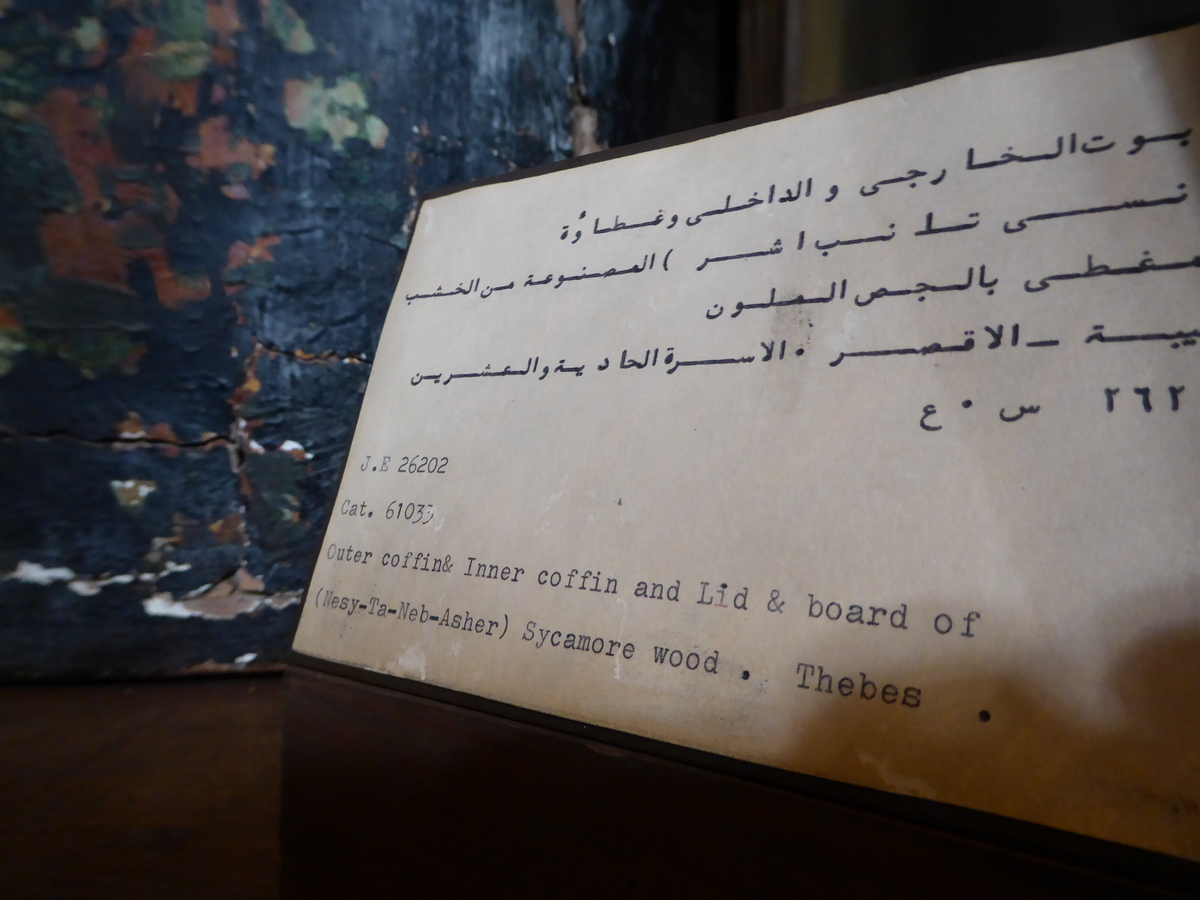
CG 61033 Nestanebetisheru coffins photo VB 2015 009
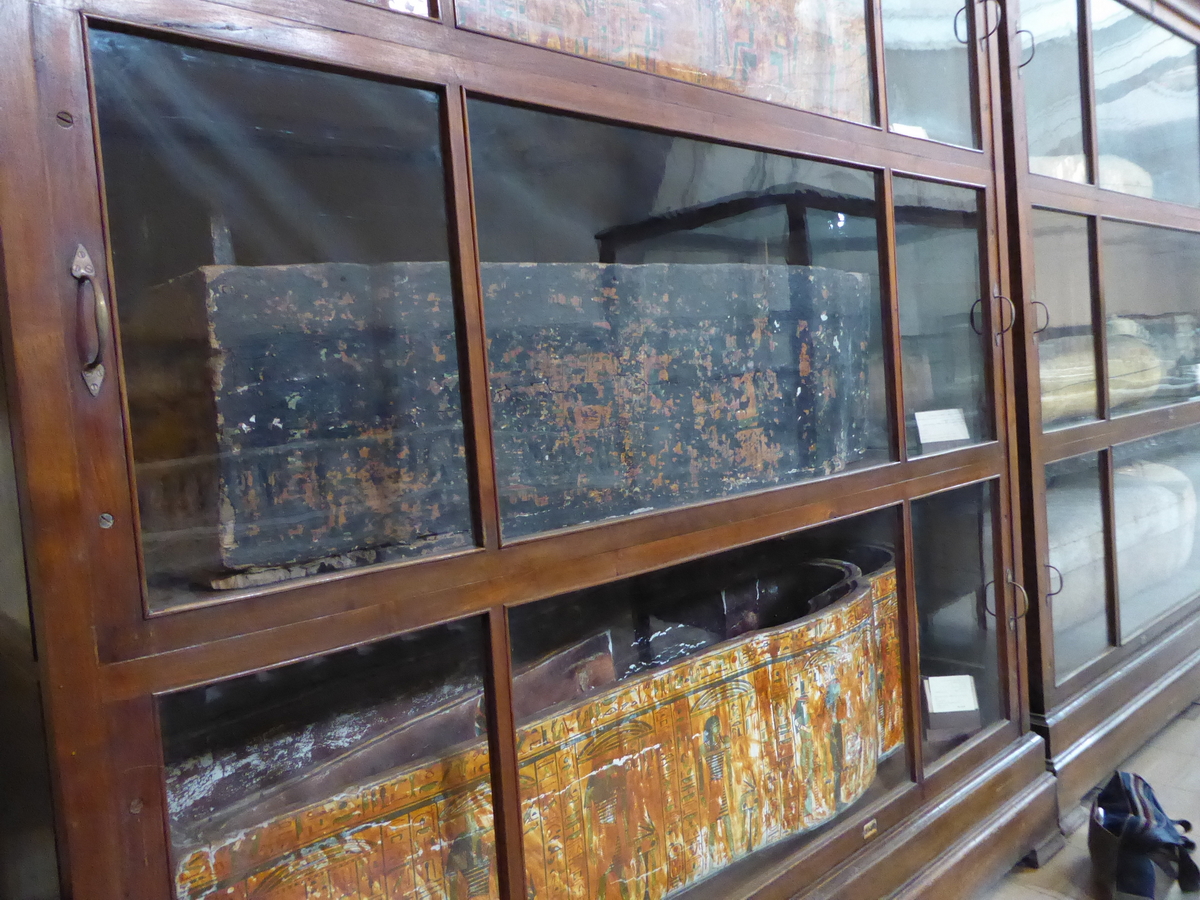
CG 61033 Nestanebetisheru coffins photo VB 2015 010
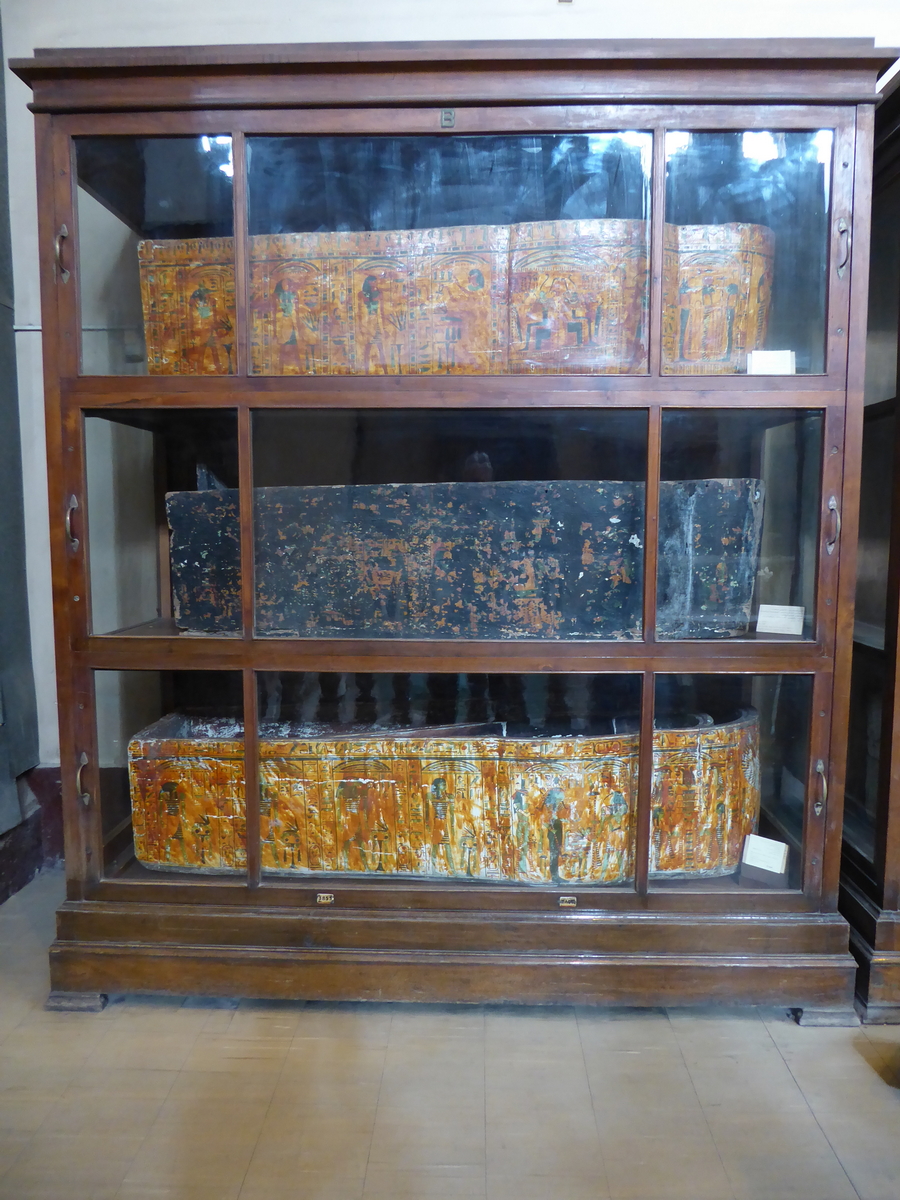
CG 61033 Nestanebetisheru coffins photo VB 2015 011
CG 61033 Nestanebetisheru coffins photo VB 2015 012