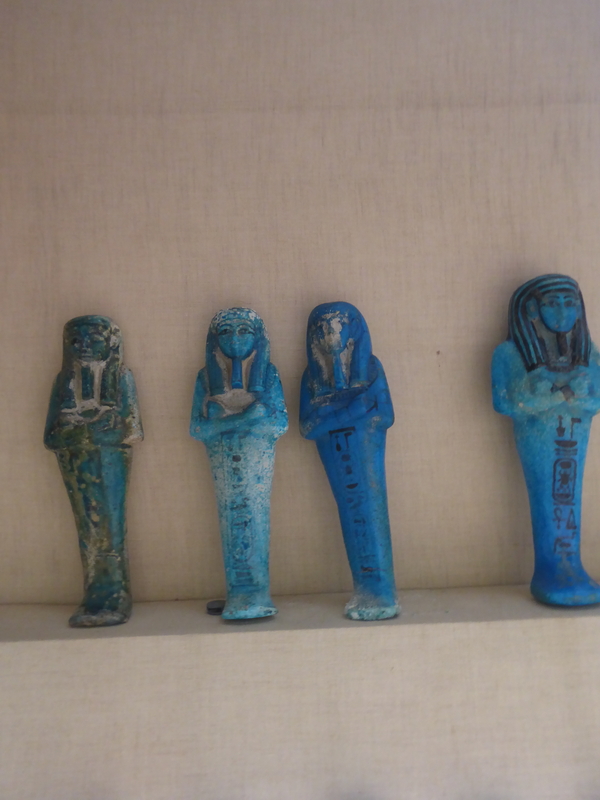
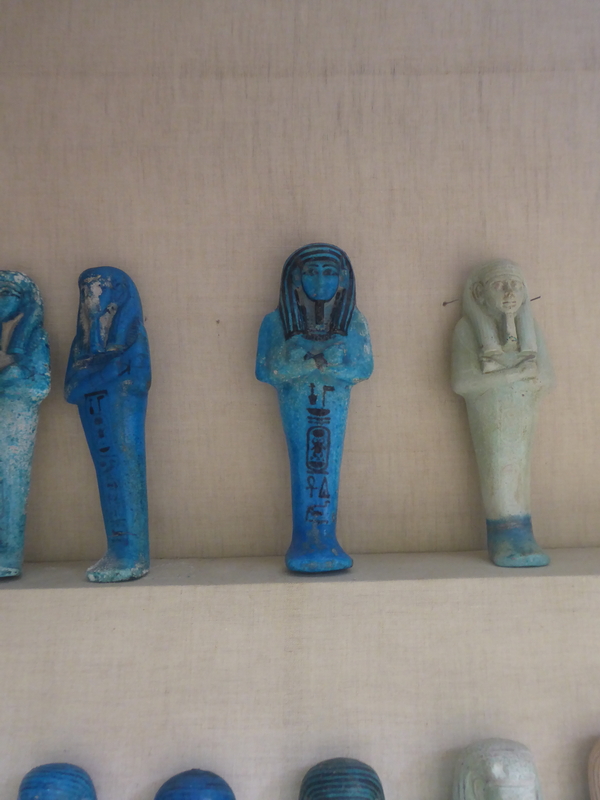
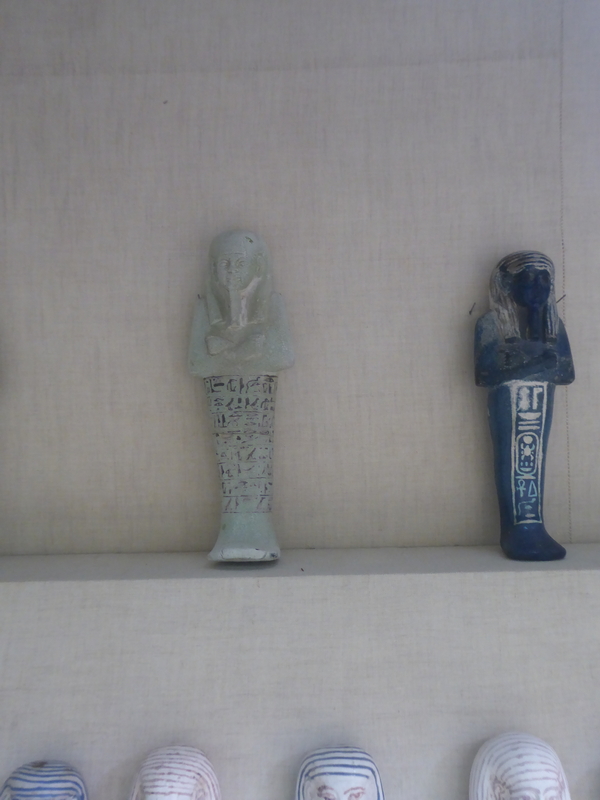
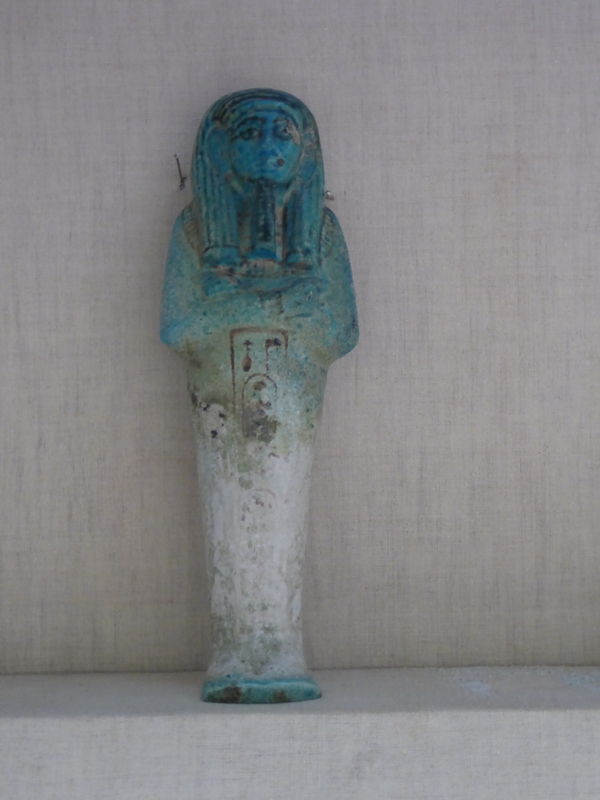
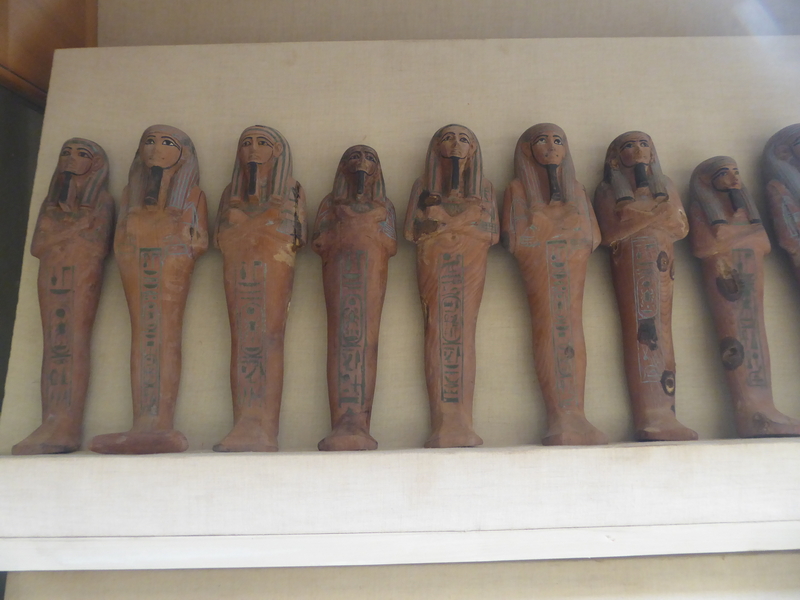
Shabtis Tutankhamun
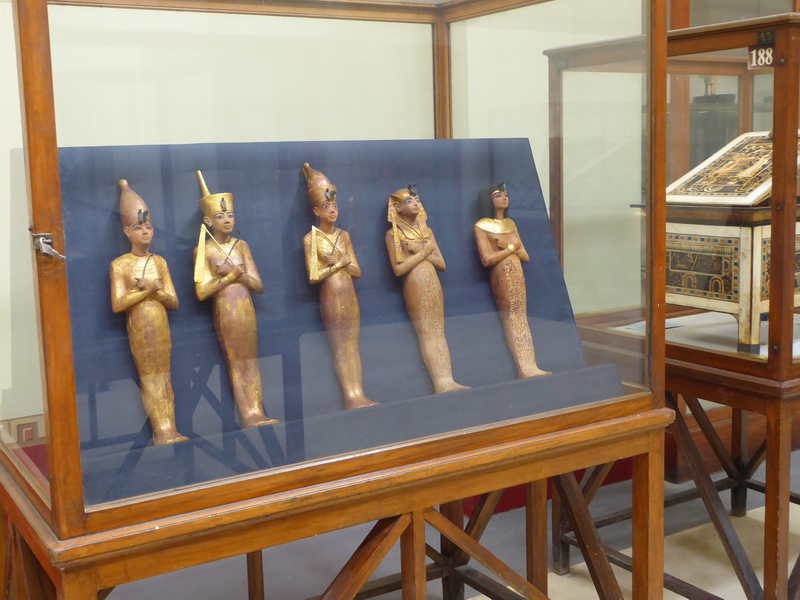
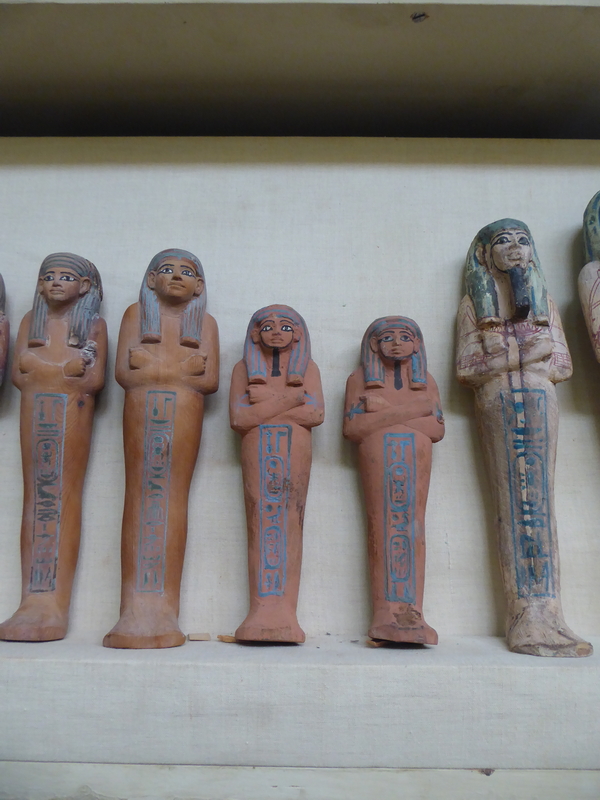
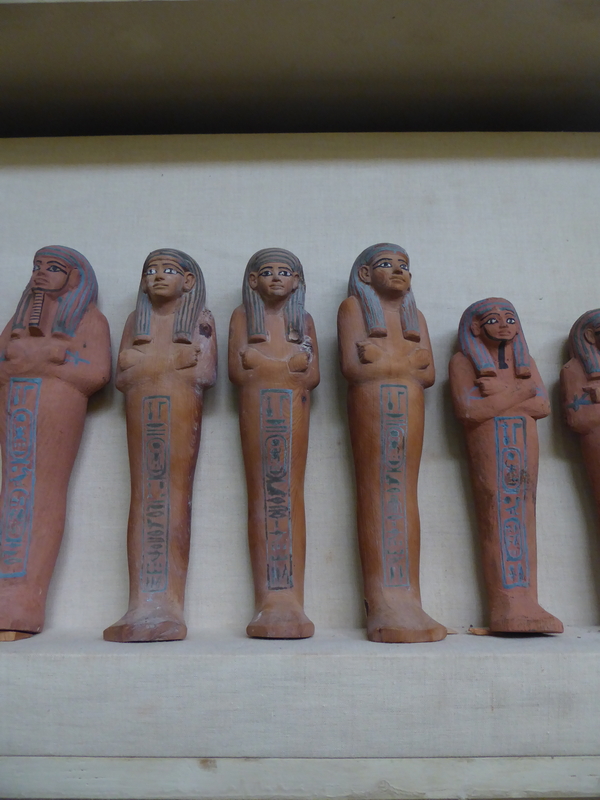
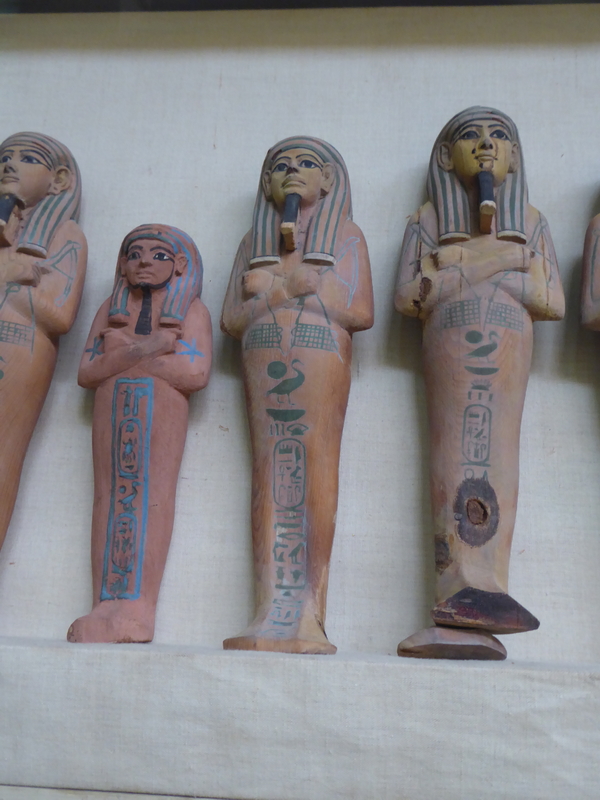
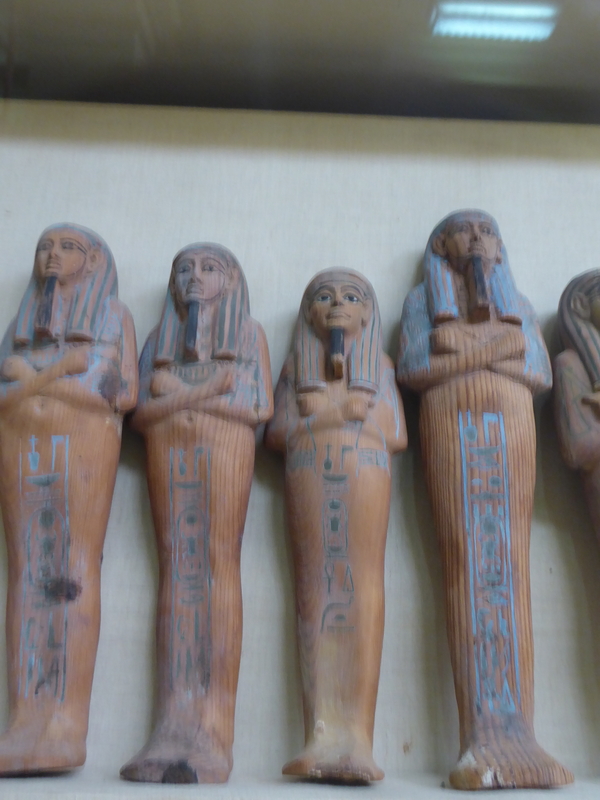
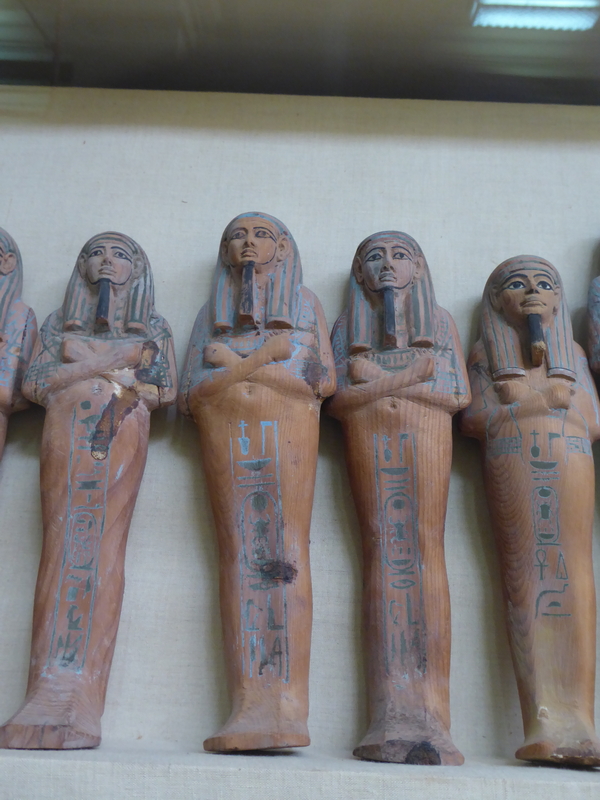
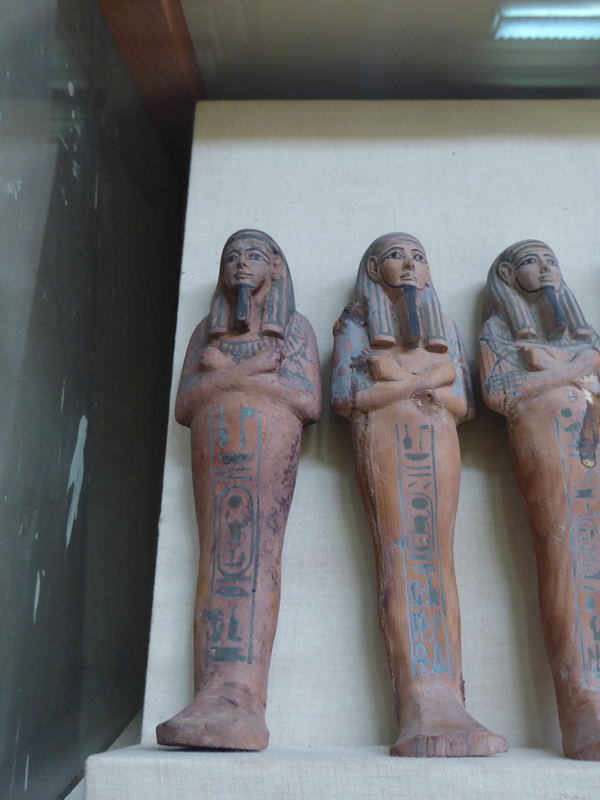
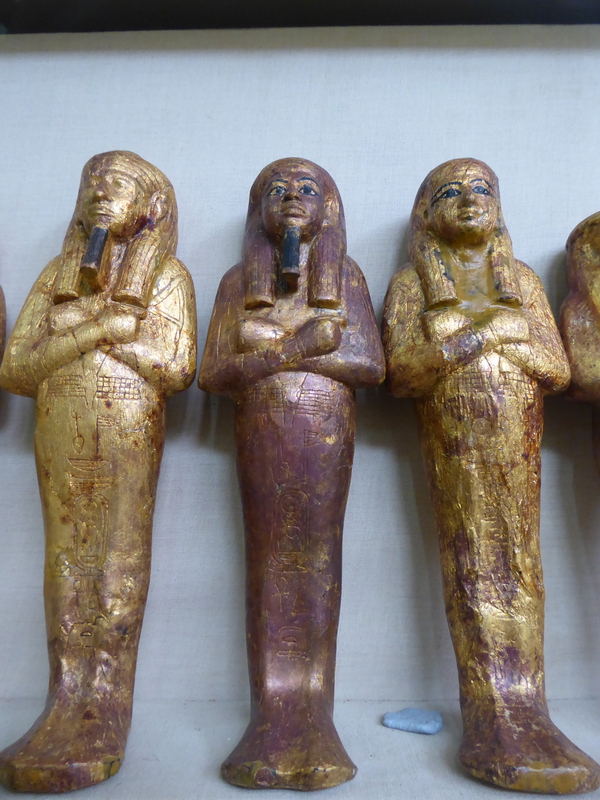
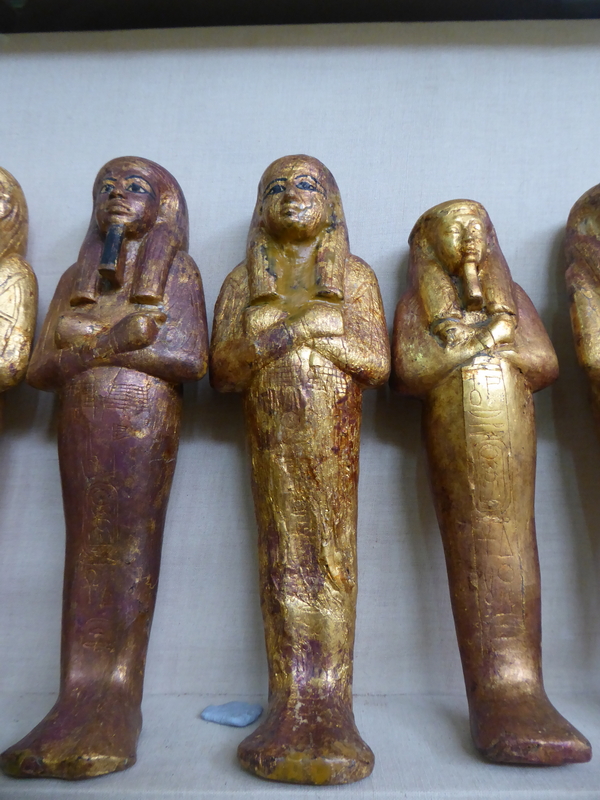
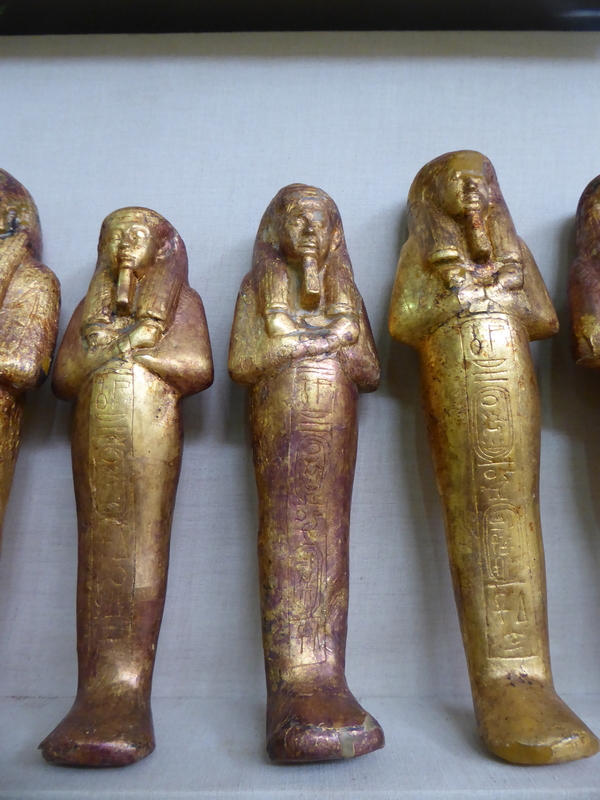
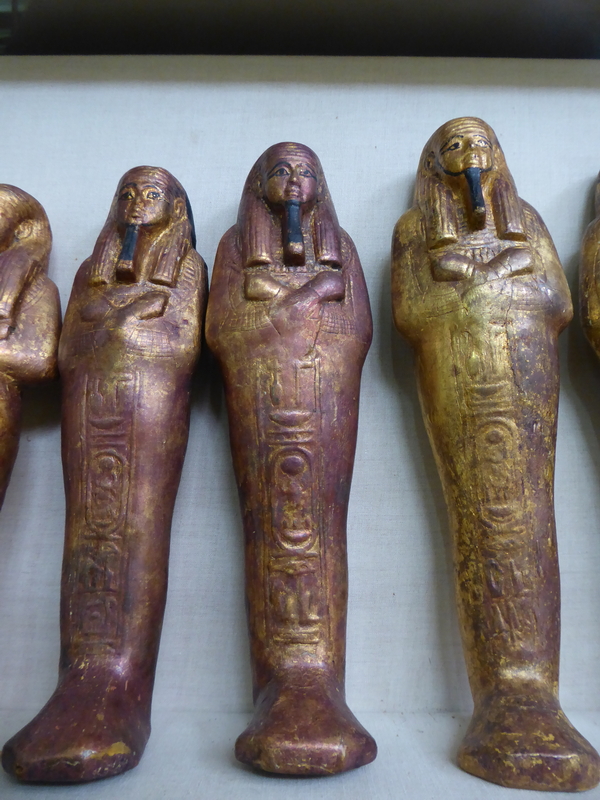
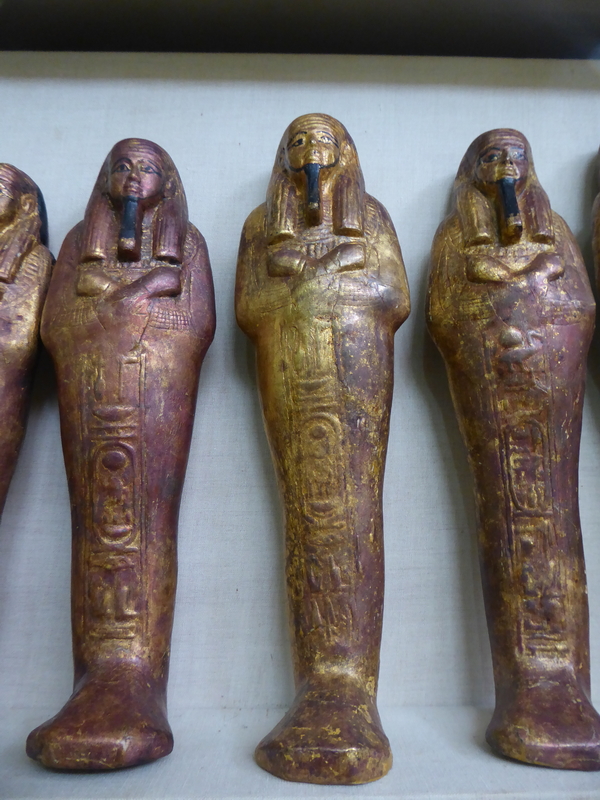
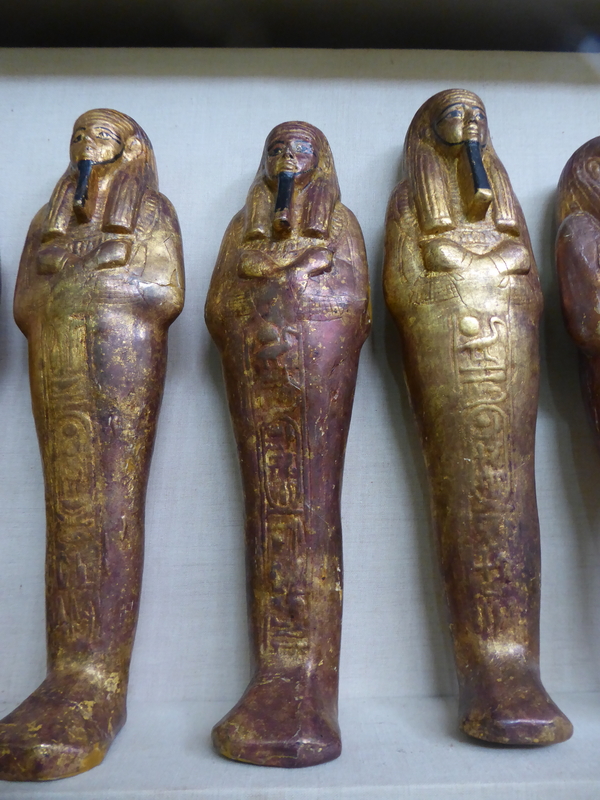
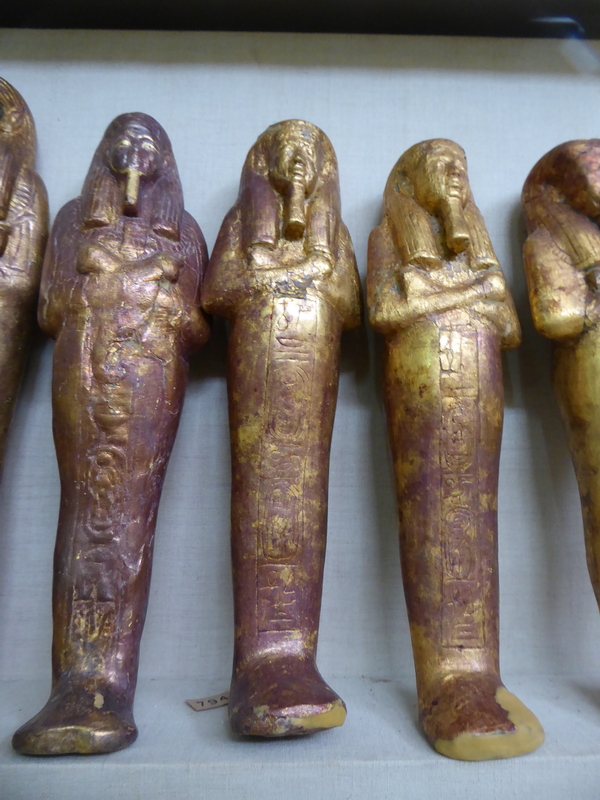
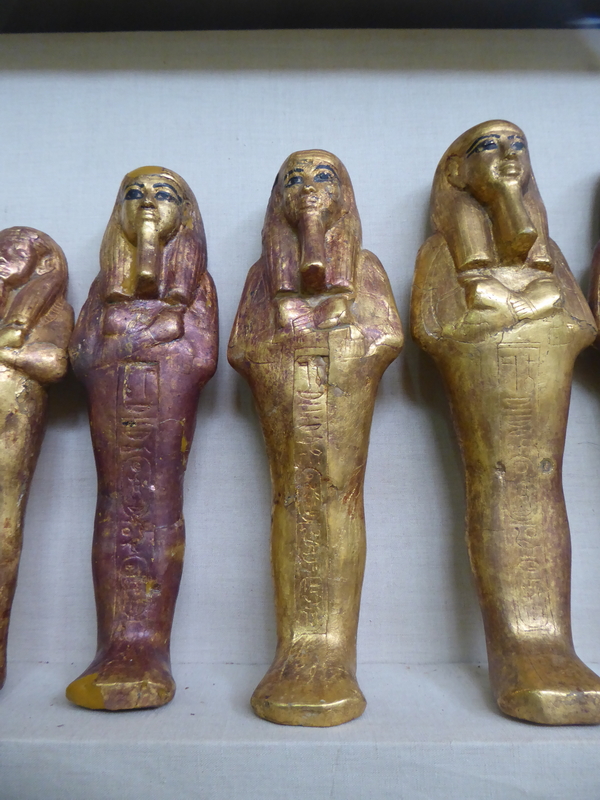
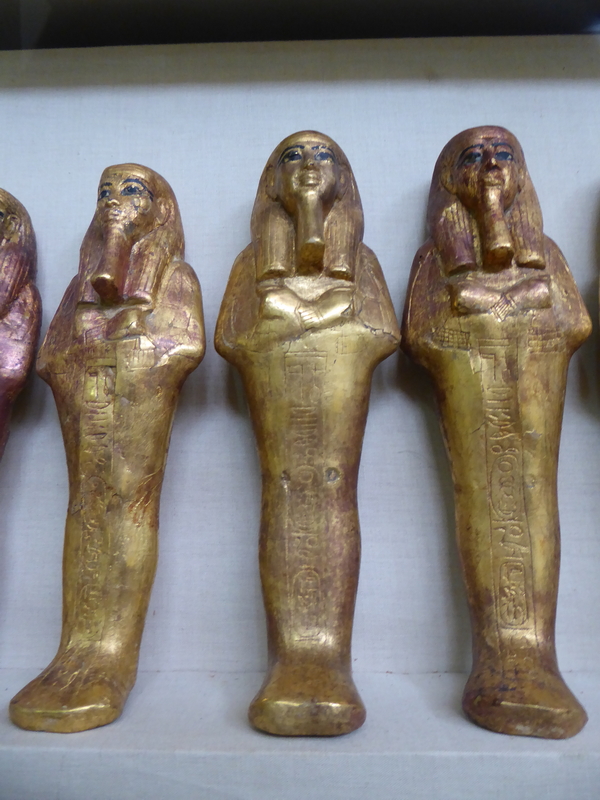
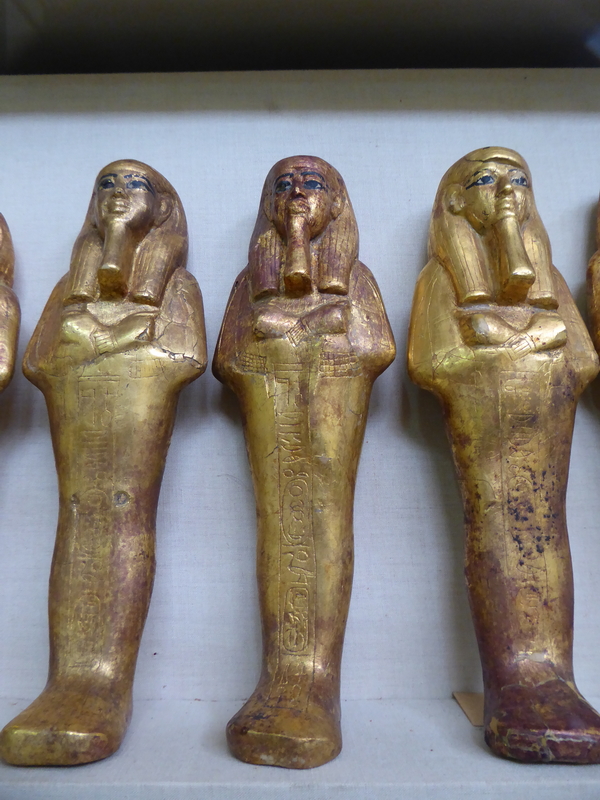
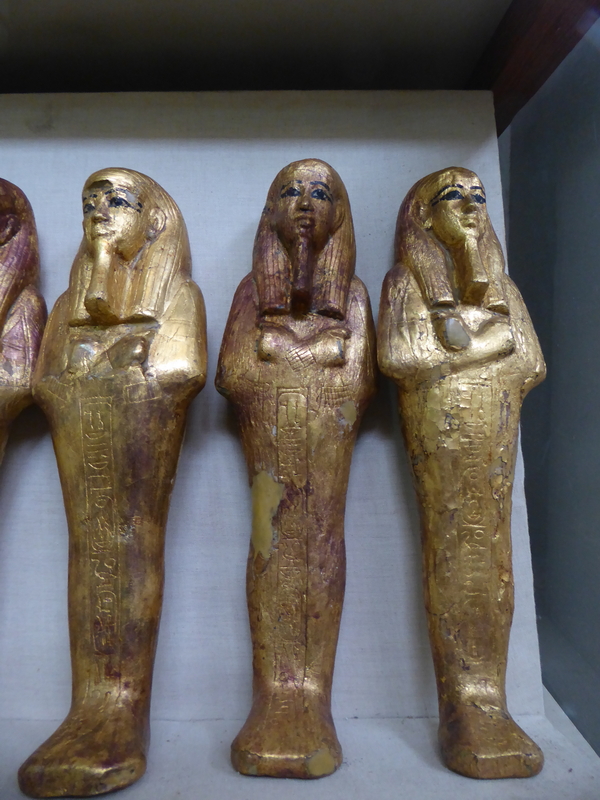
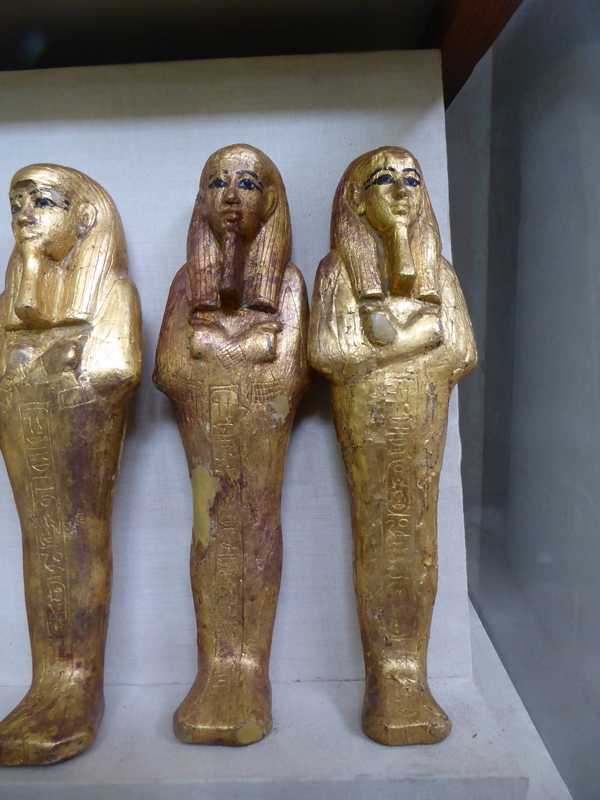
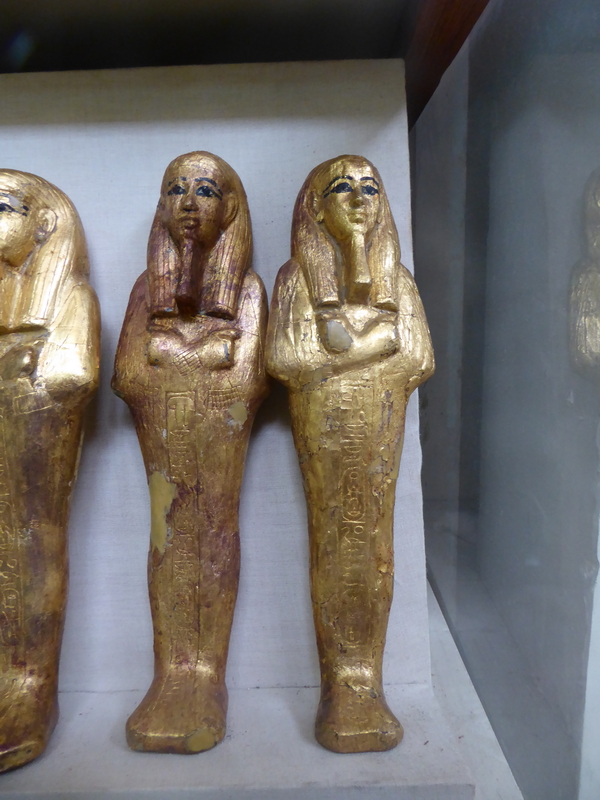
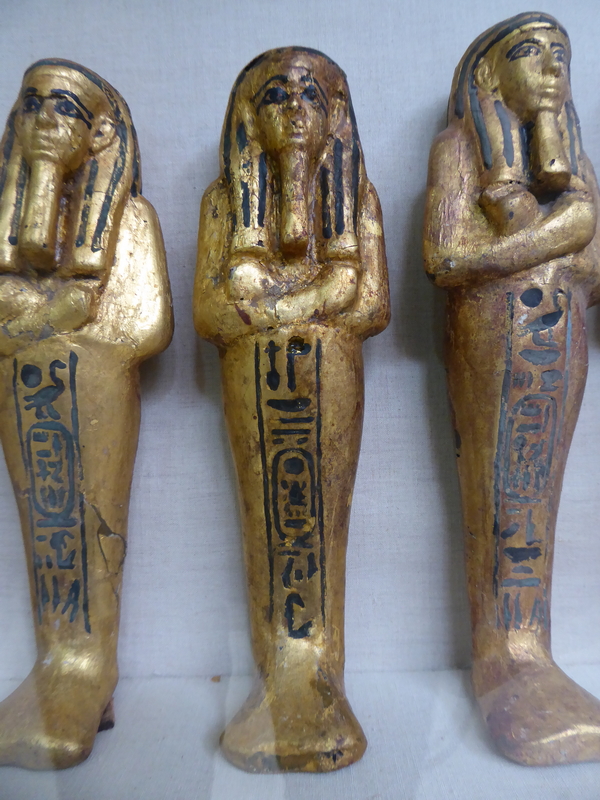
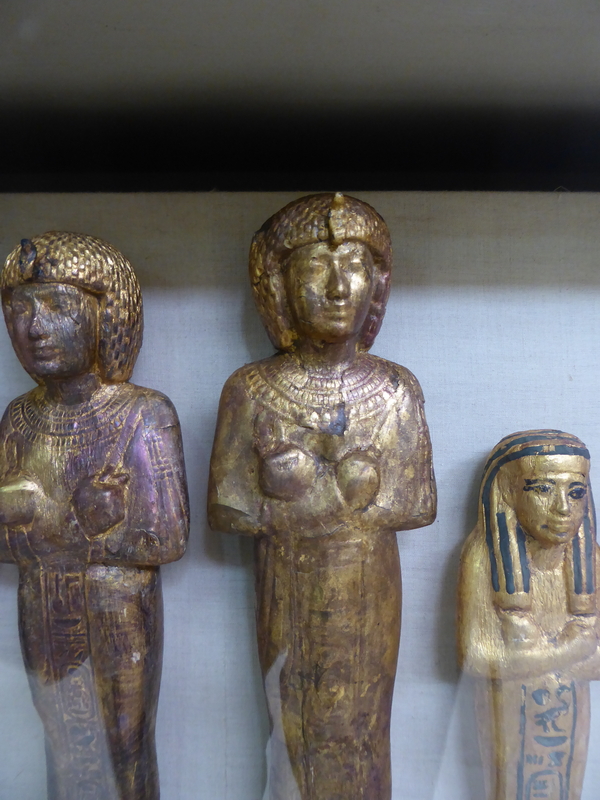
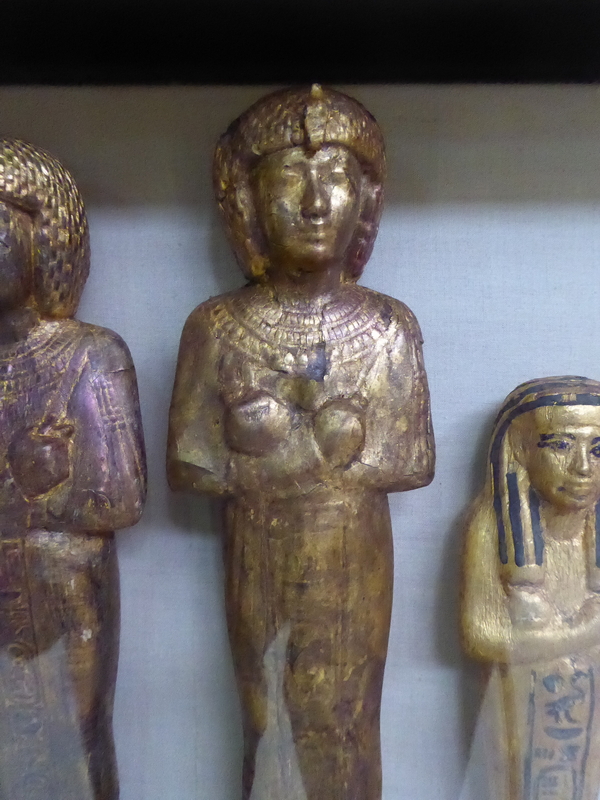
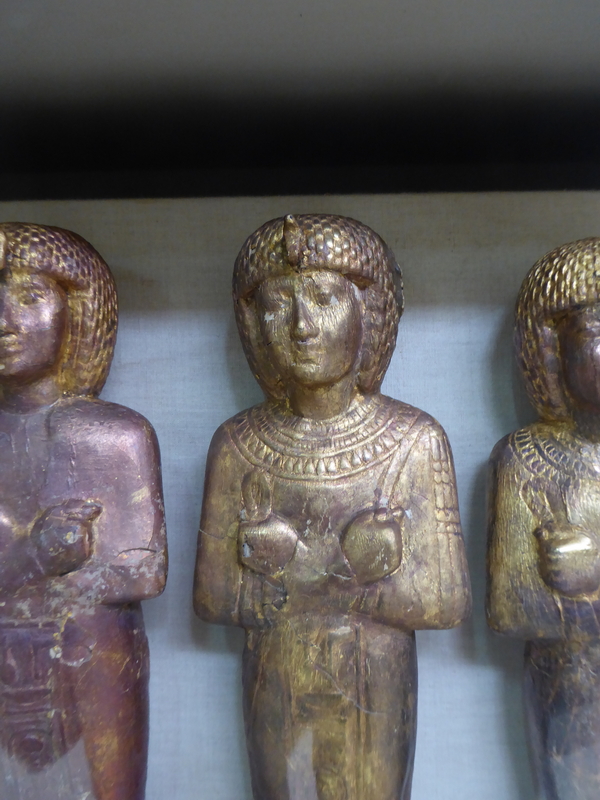
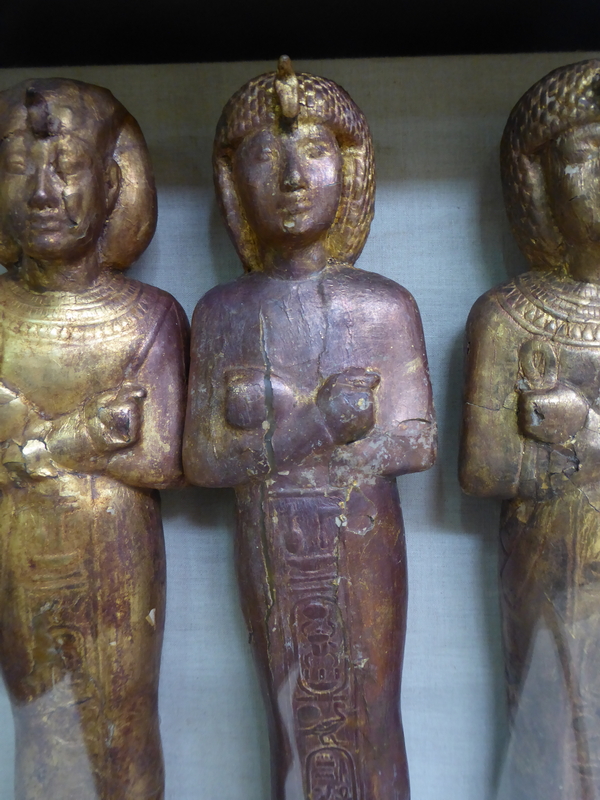
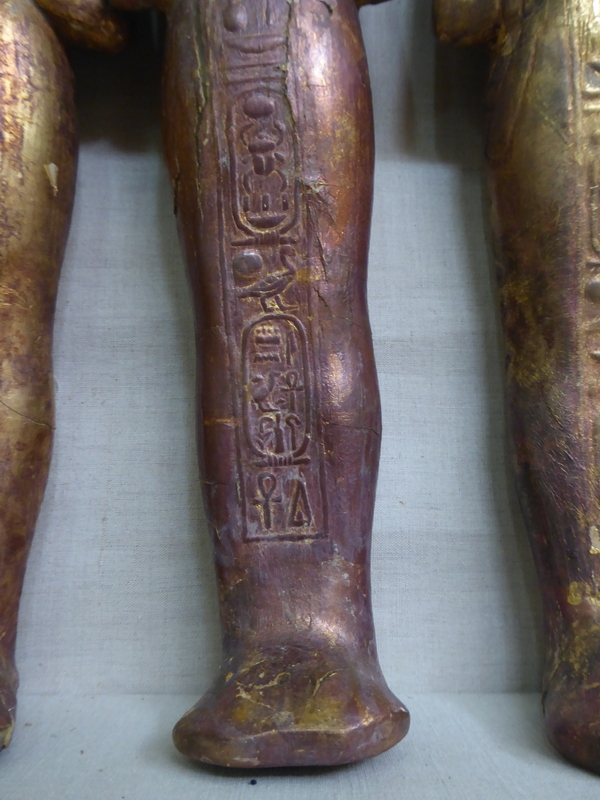
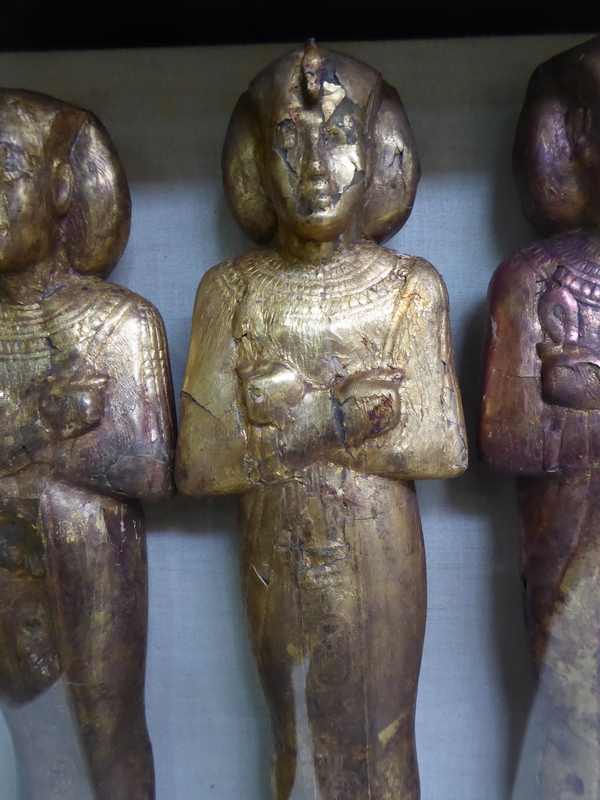
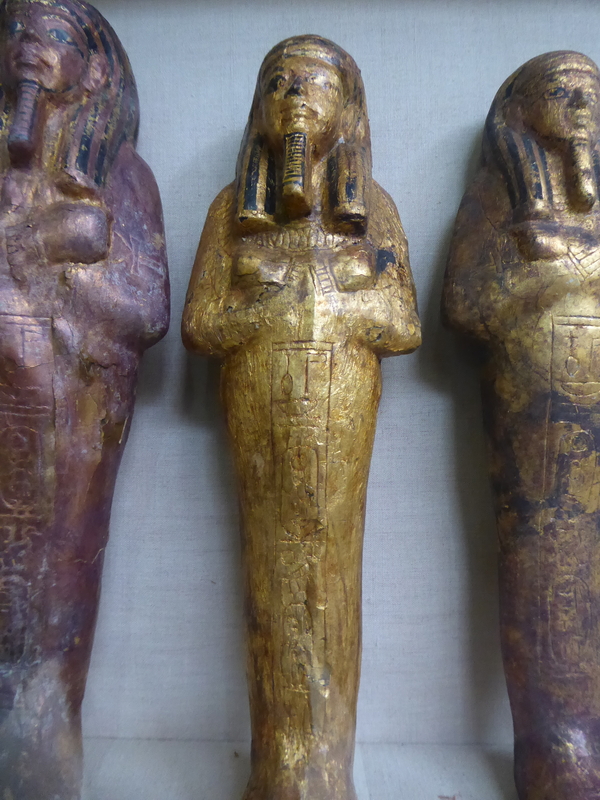
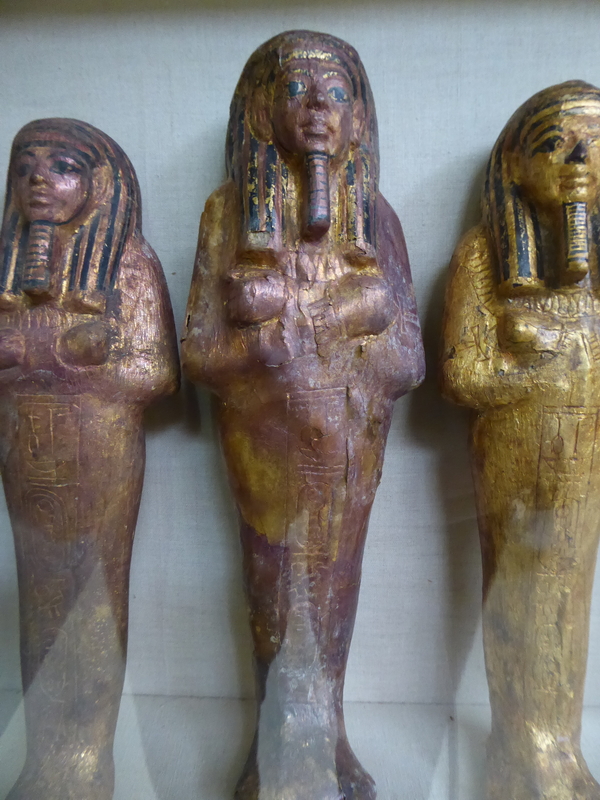
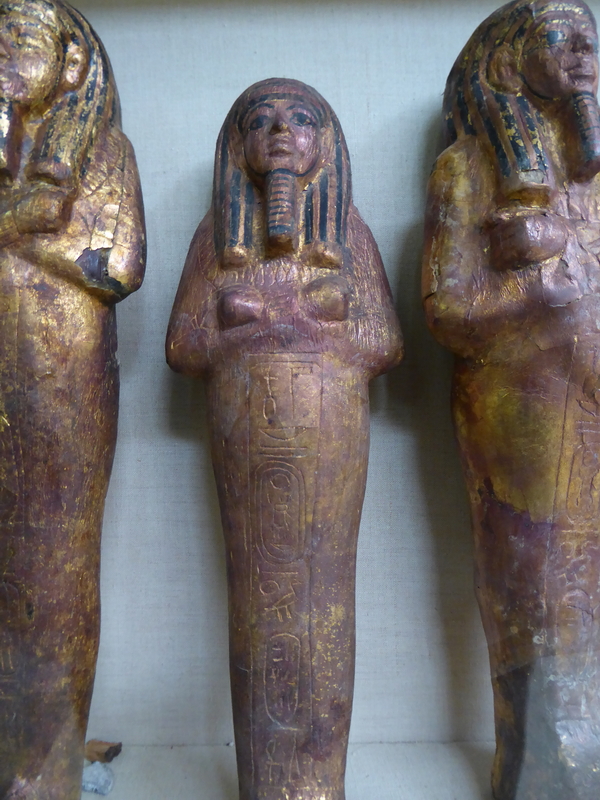
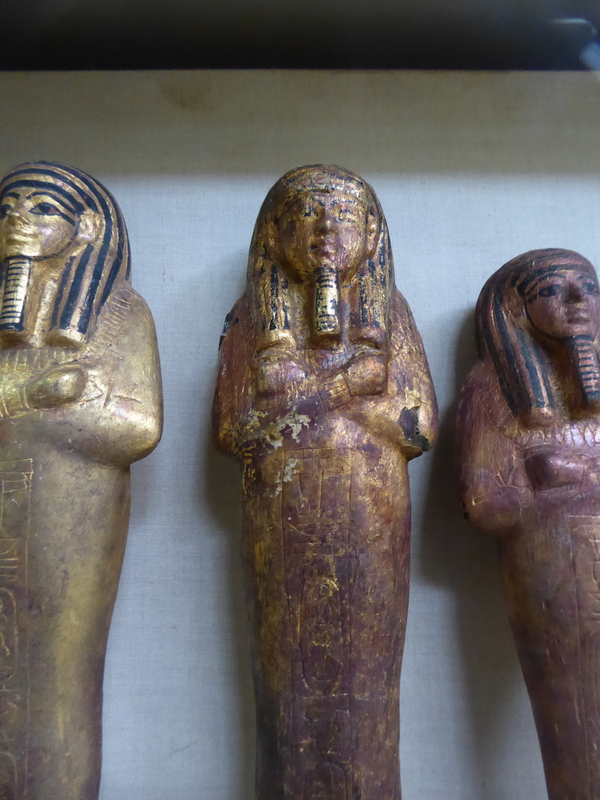
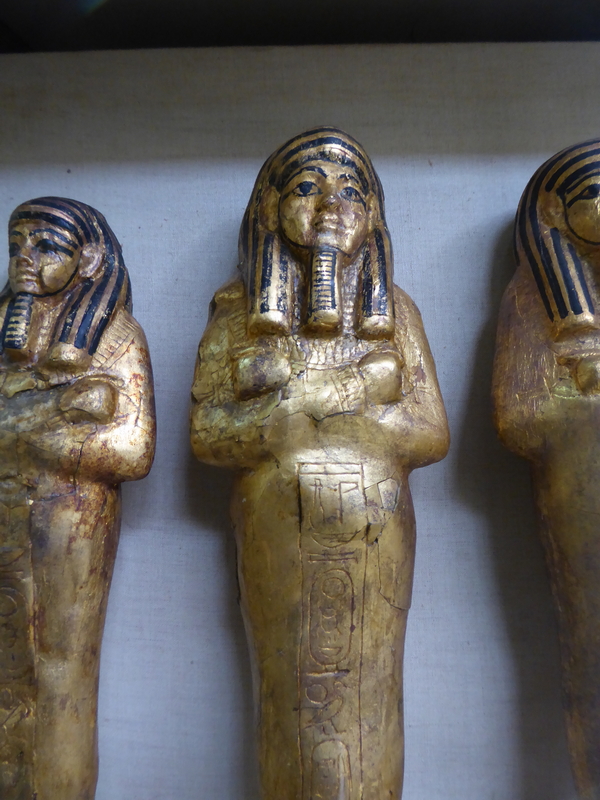
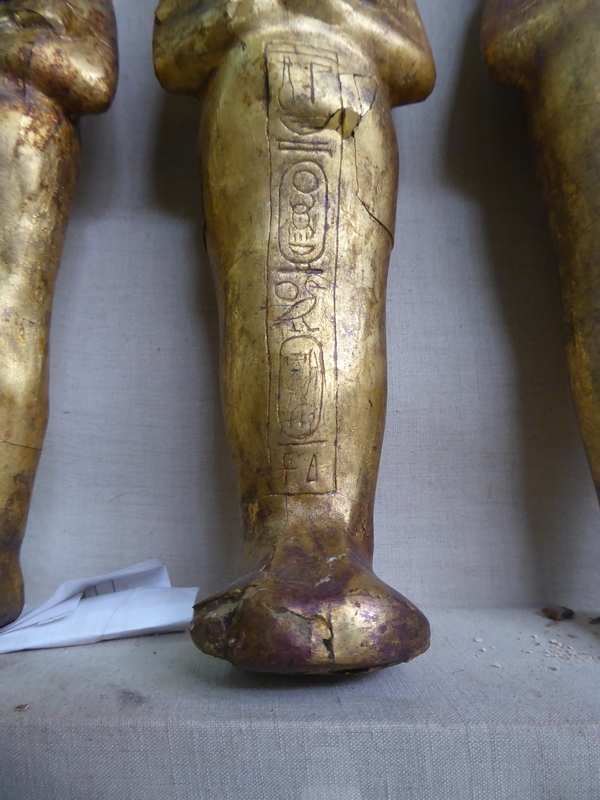
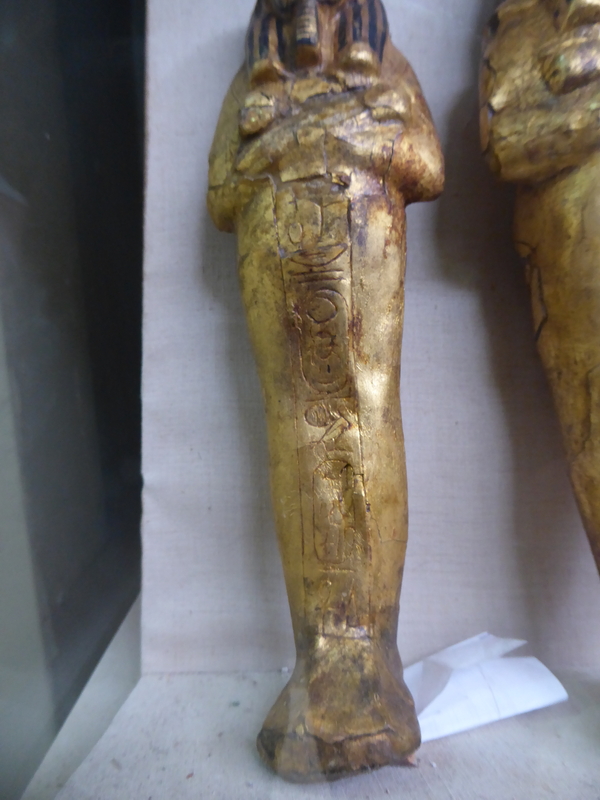
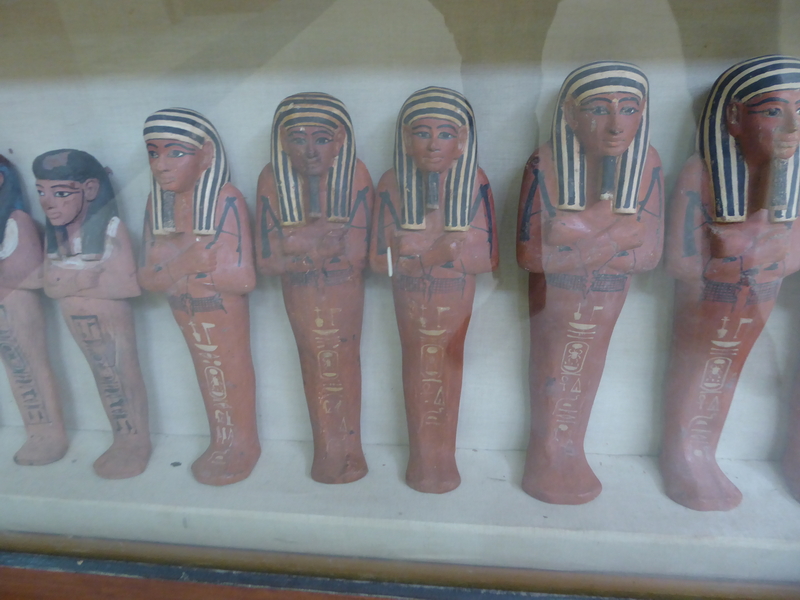
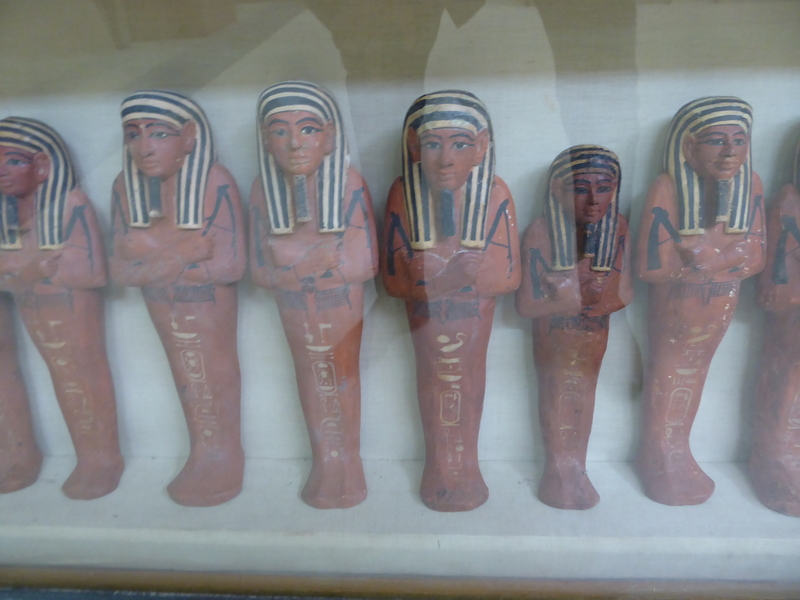
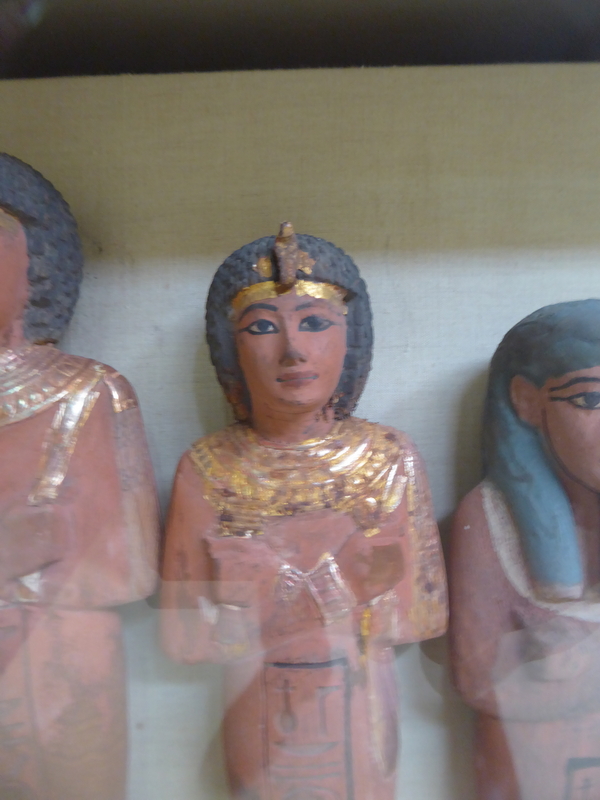
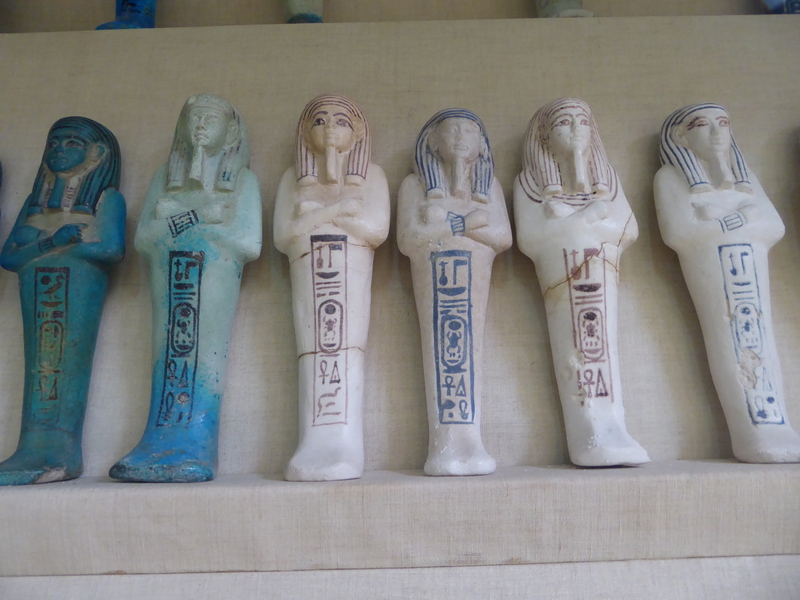
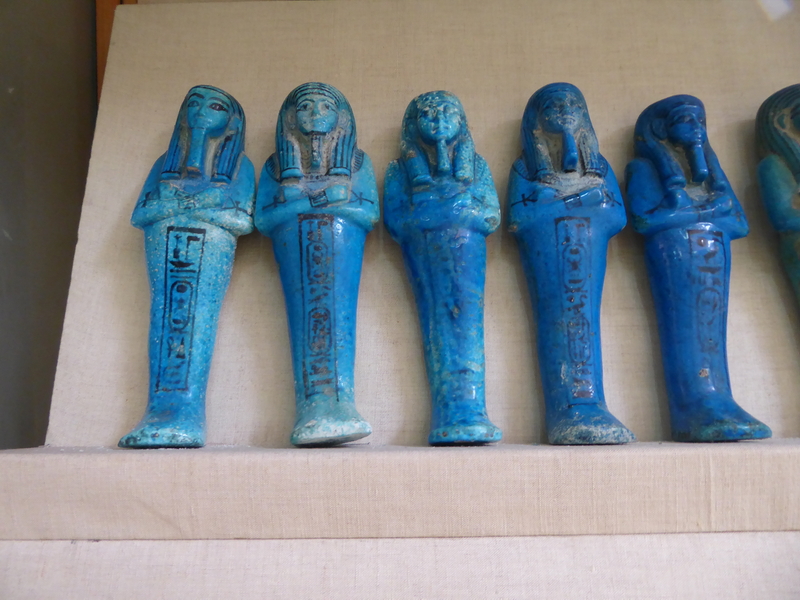
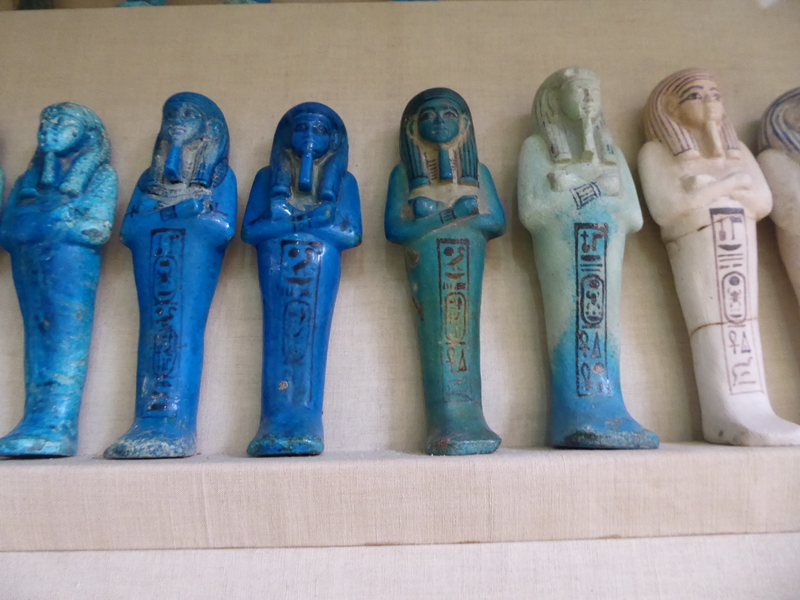
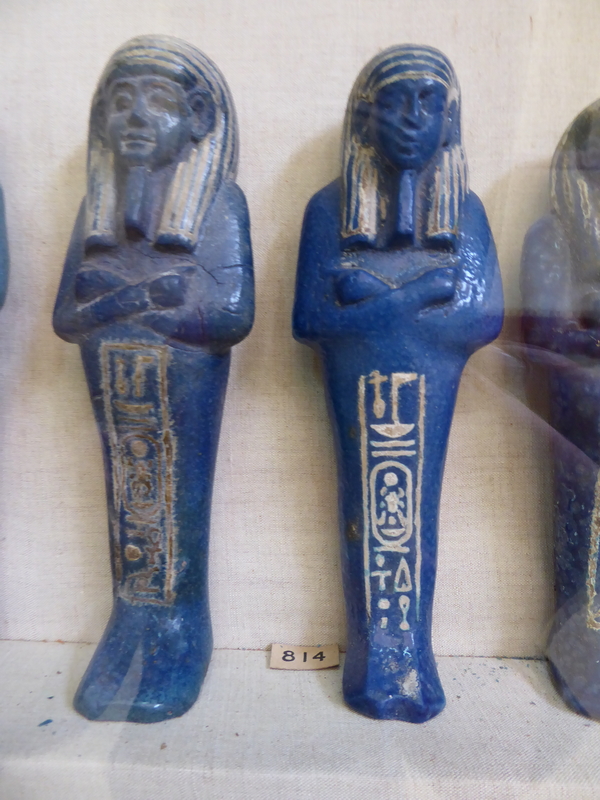
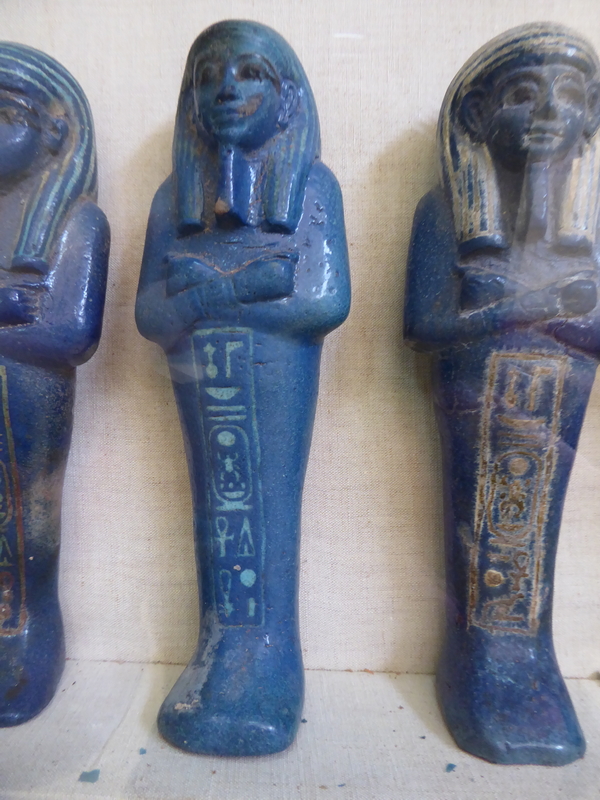
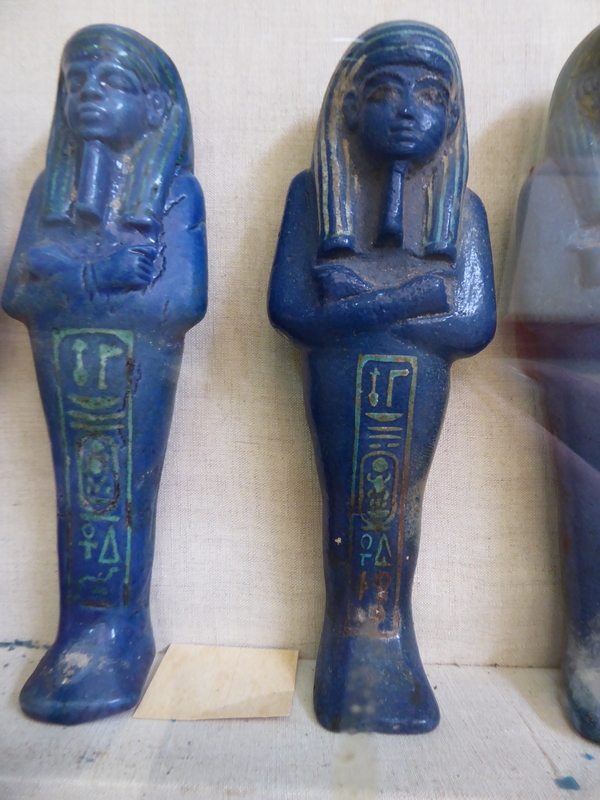
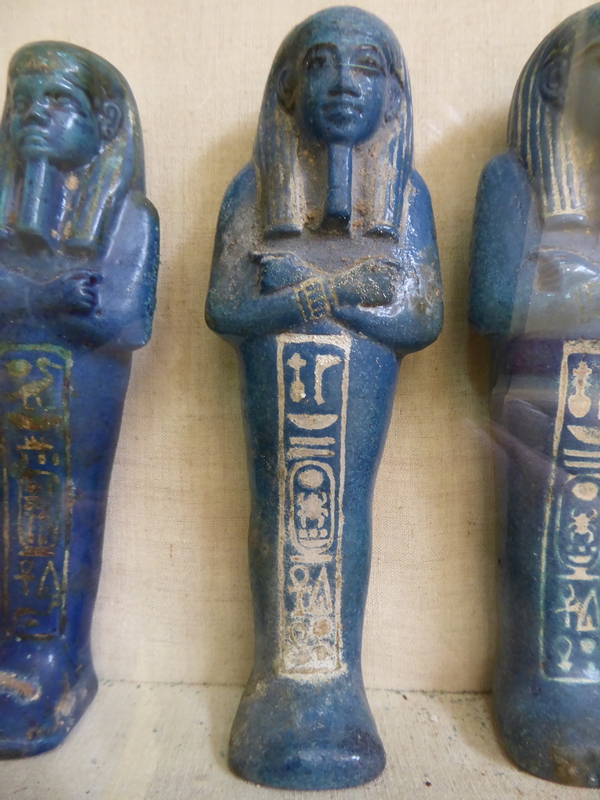
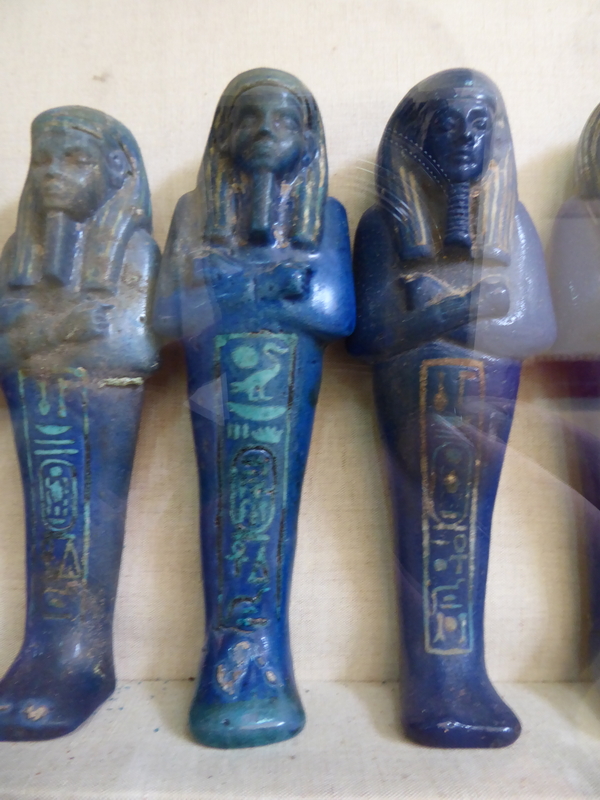
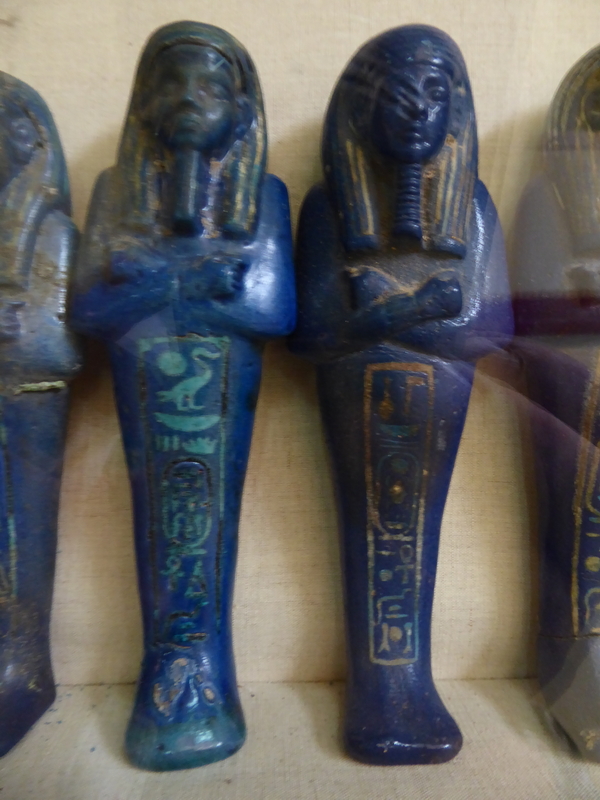
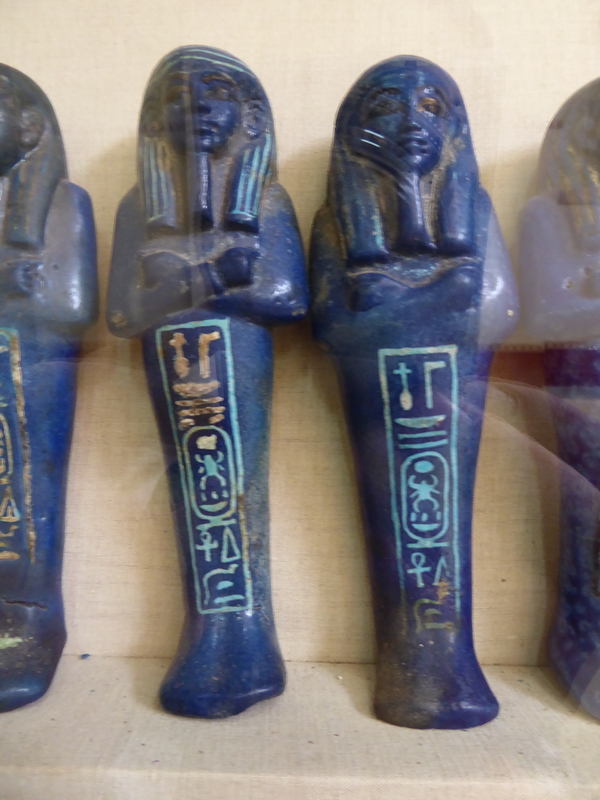
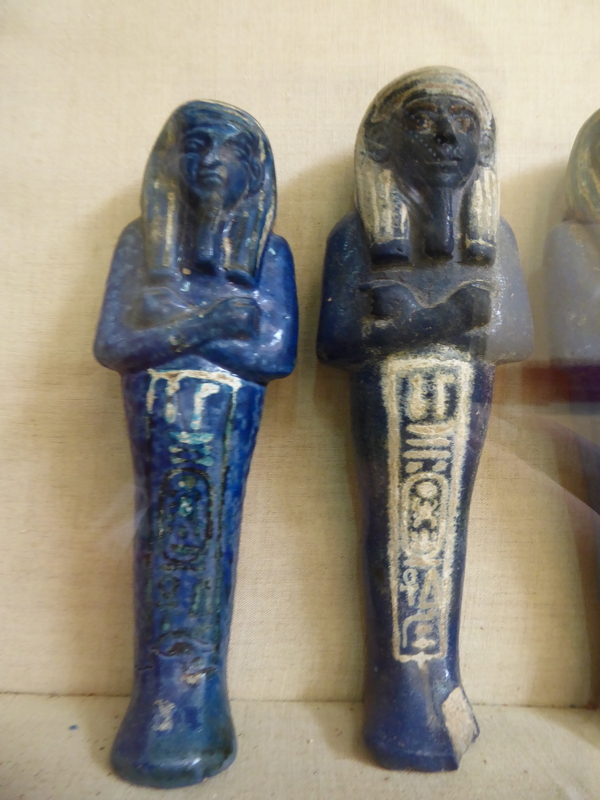
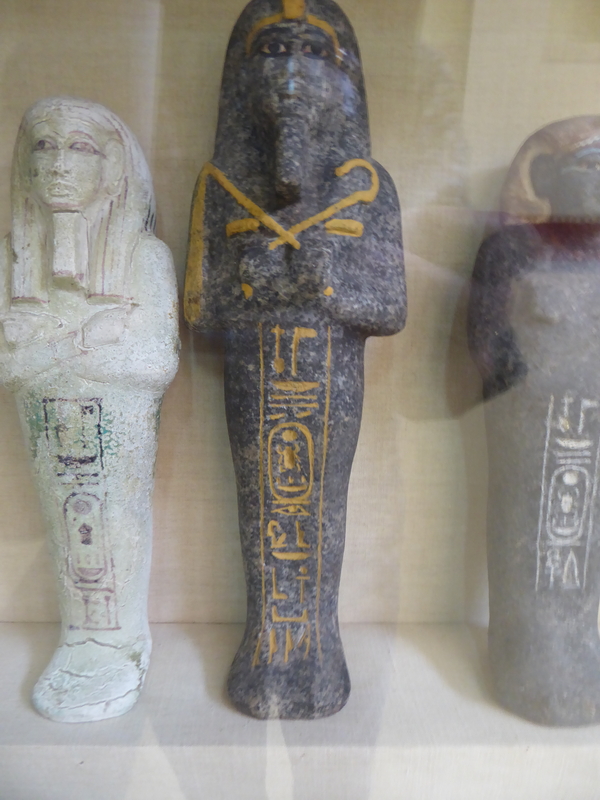
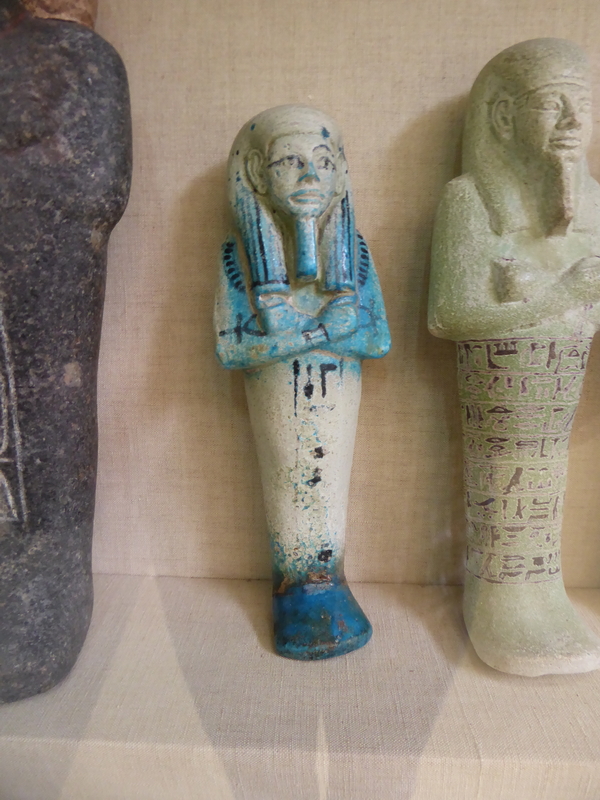
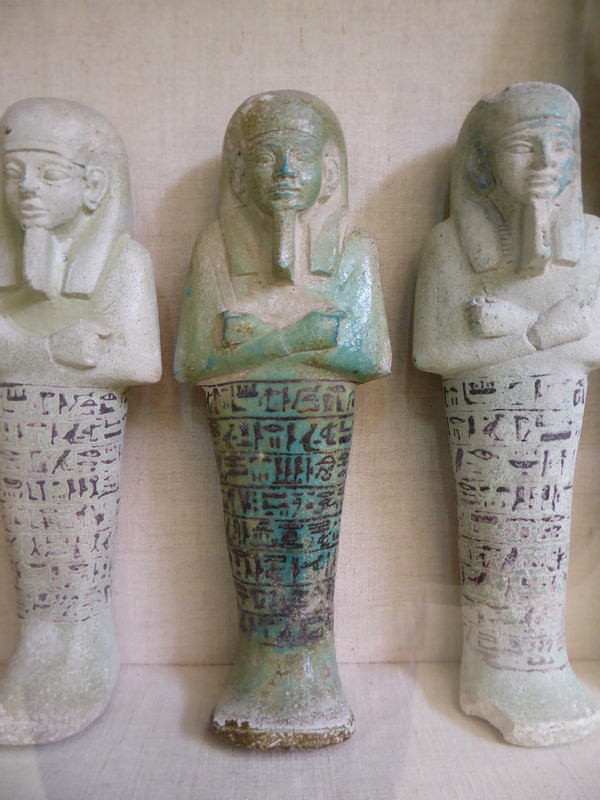
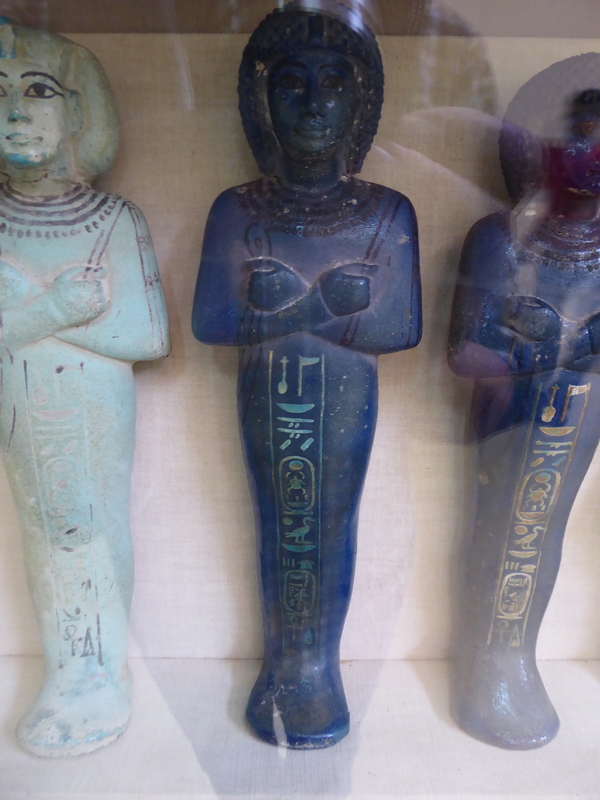
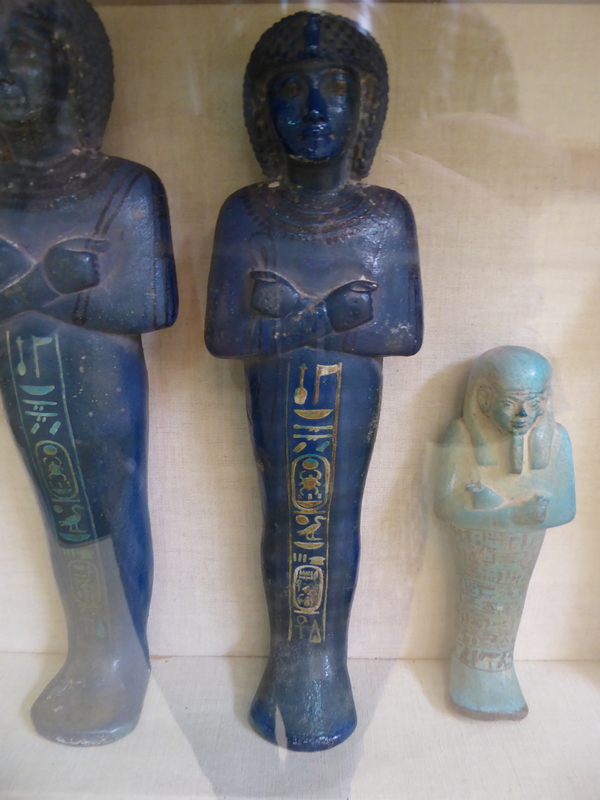
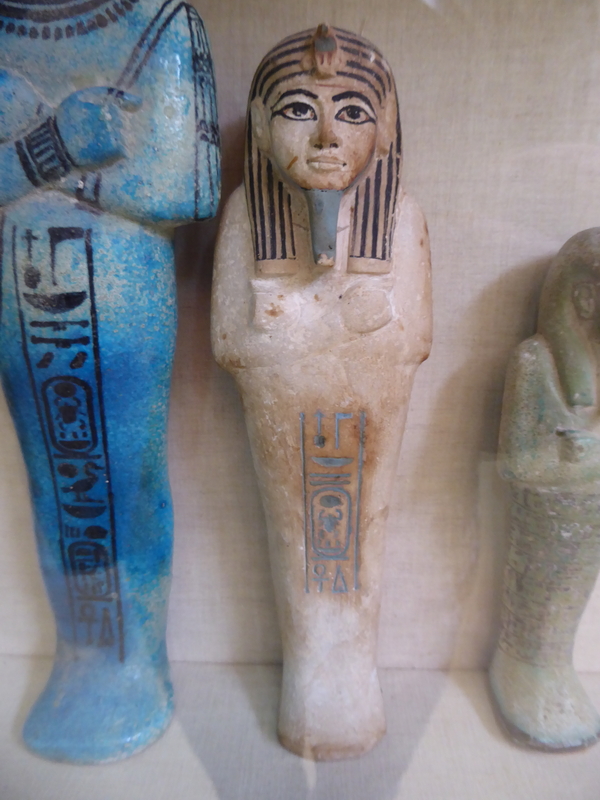
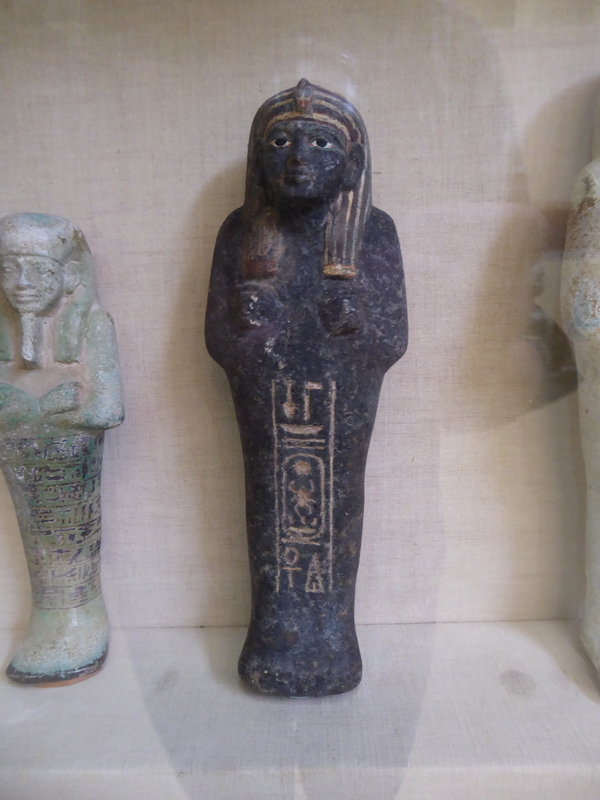
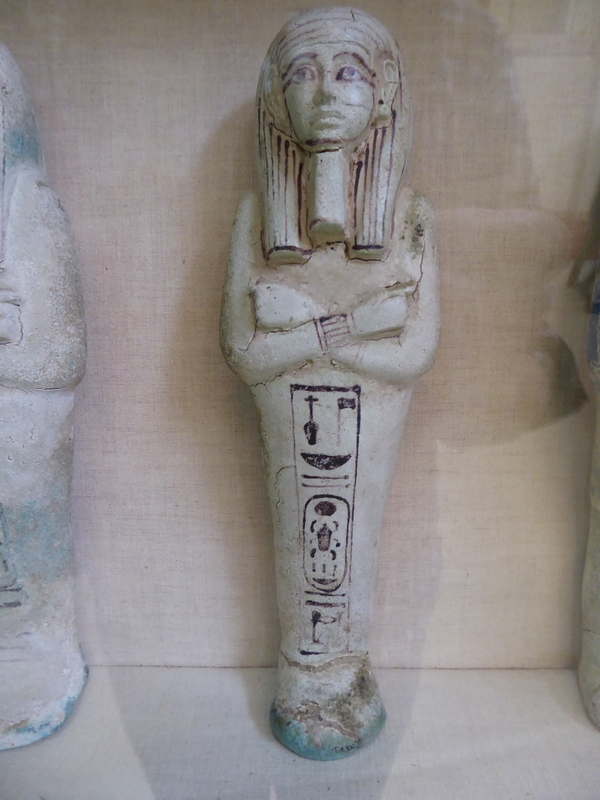
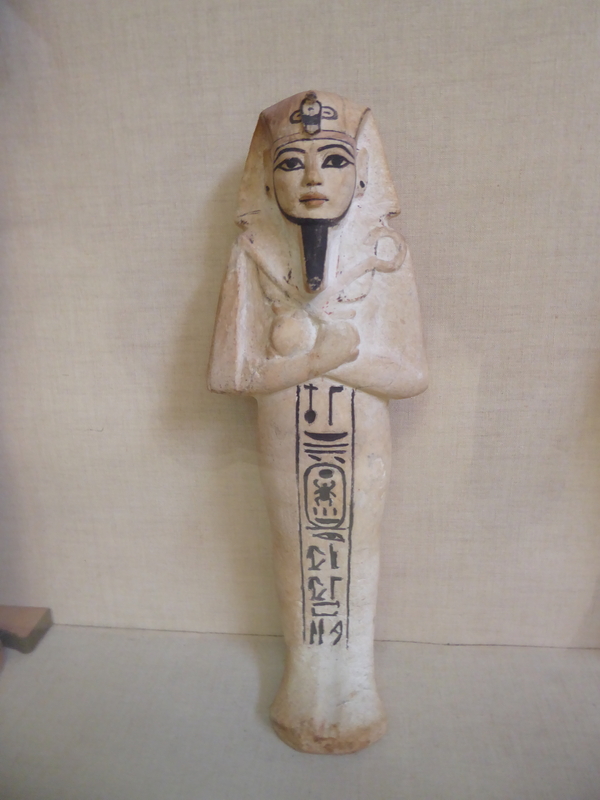
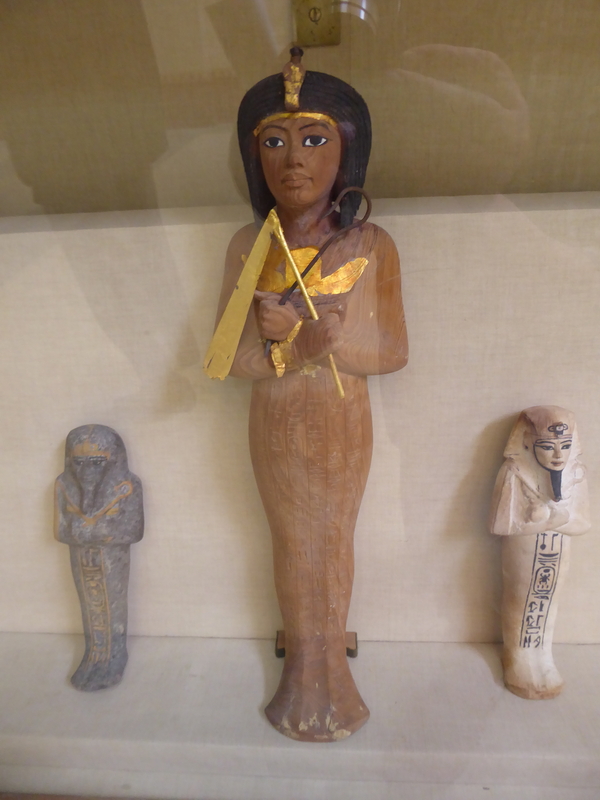
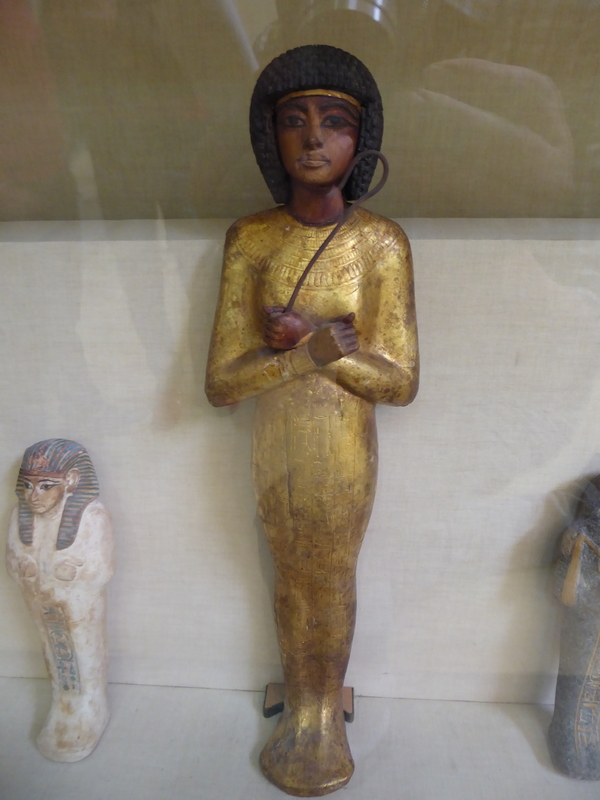
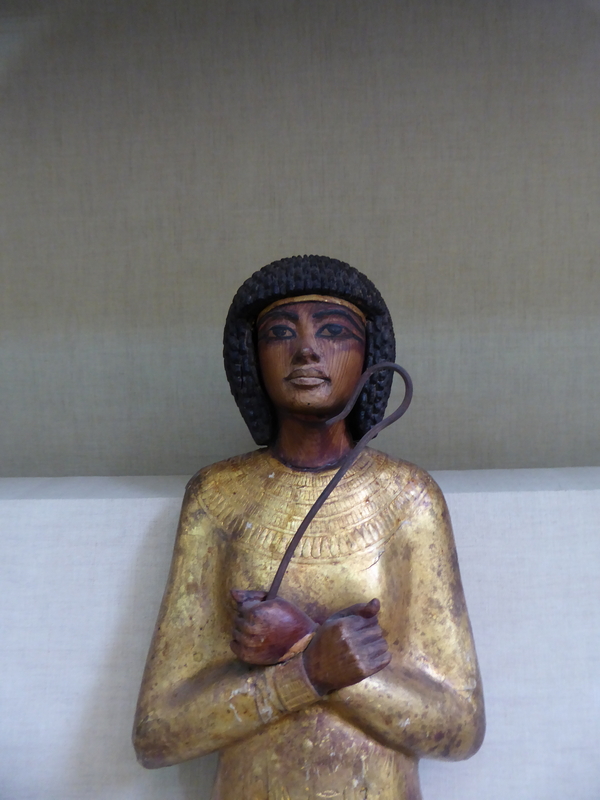
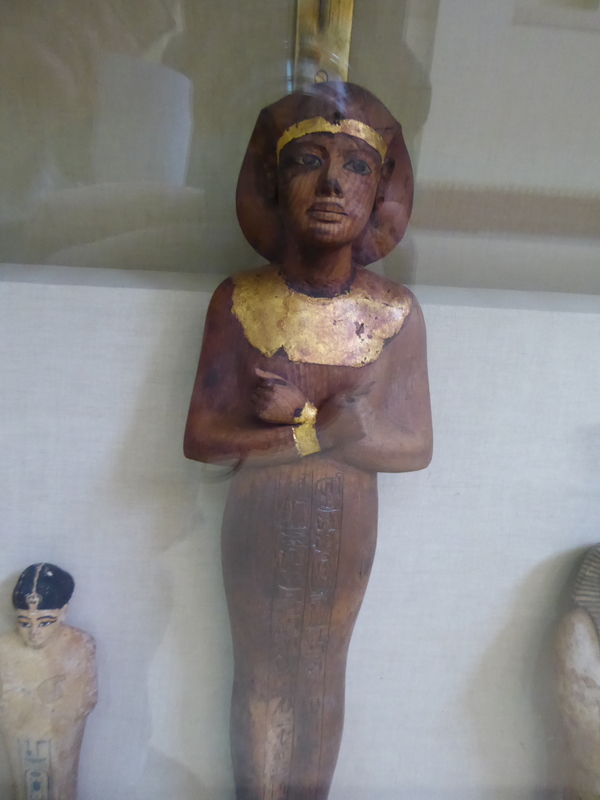
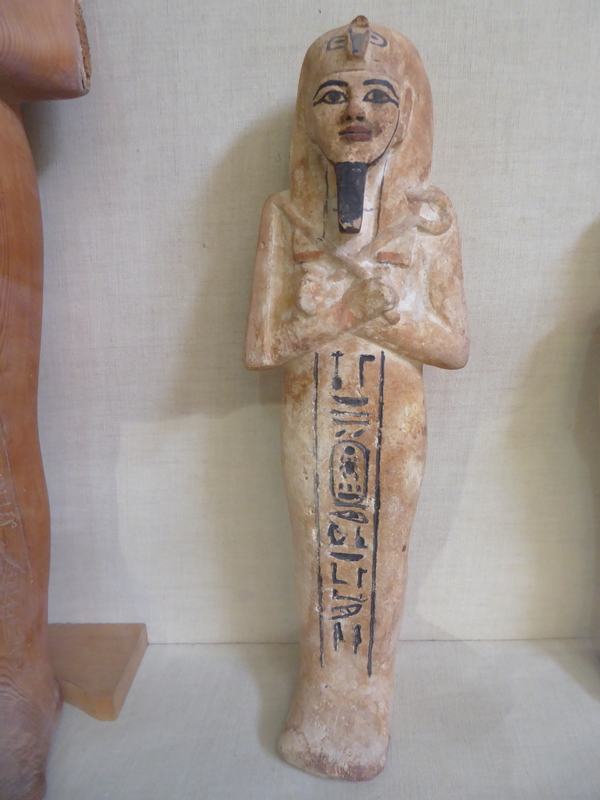
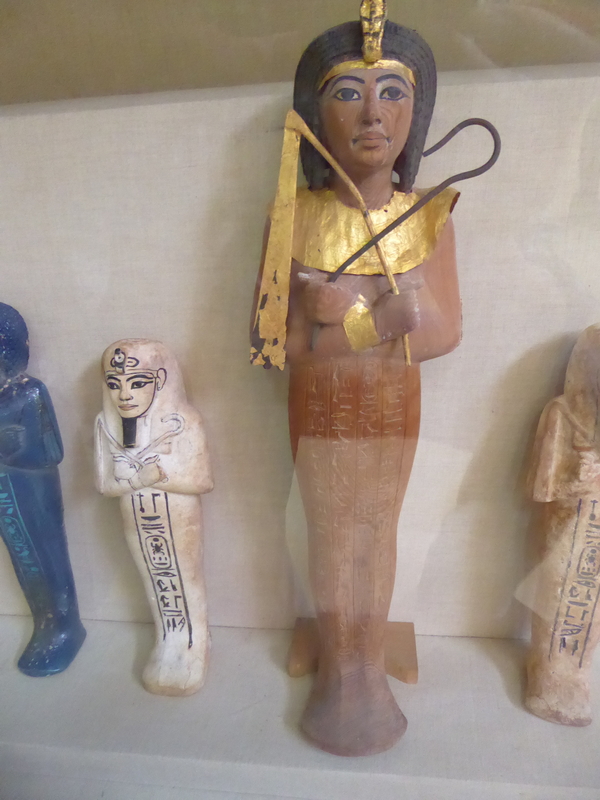
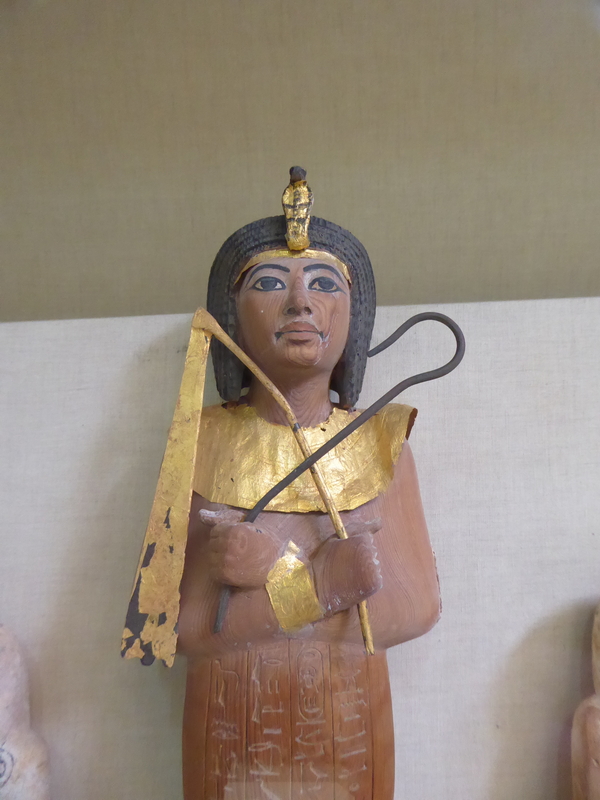
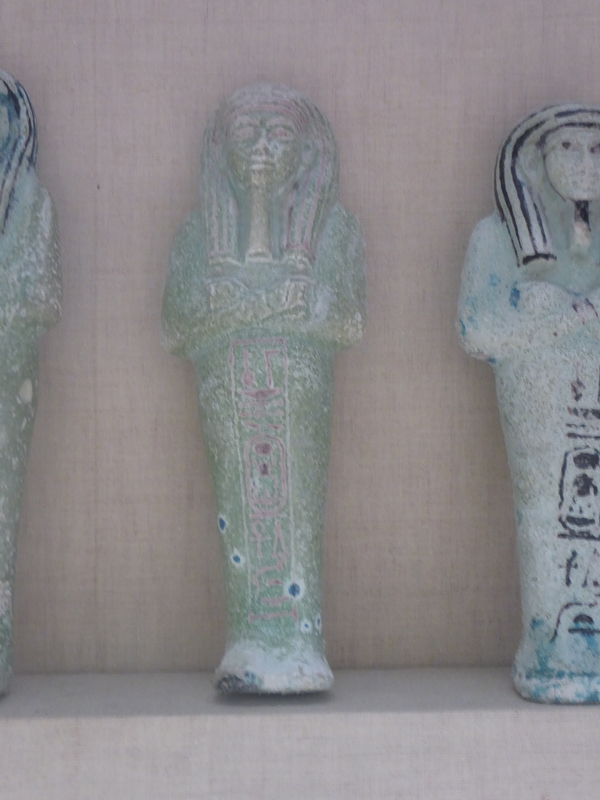
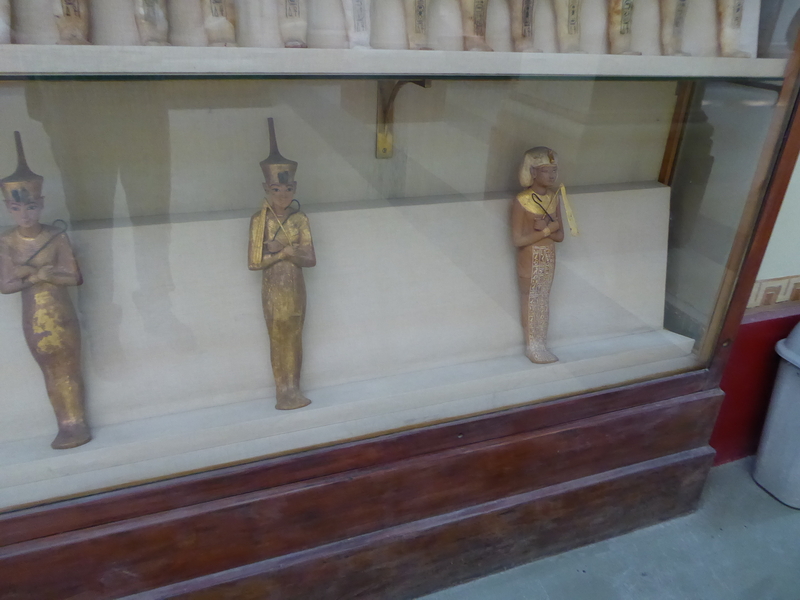
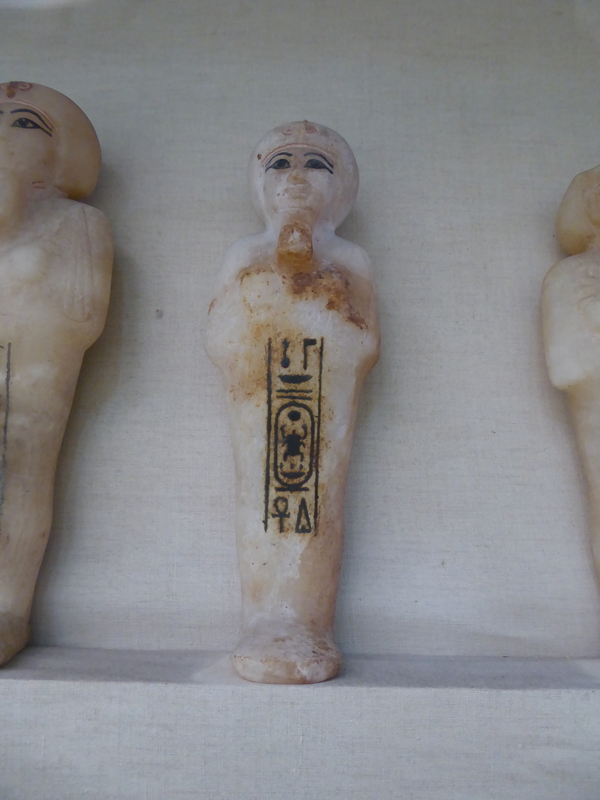
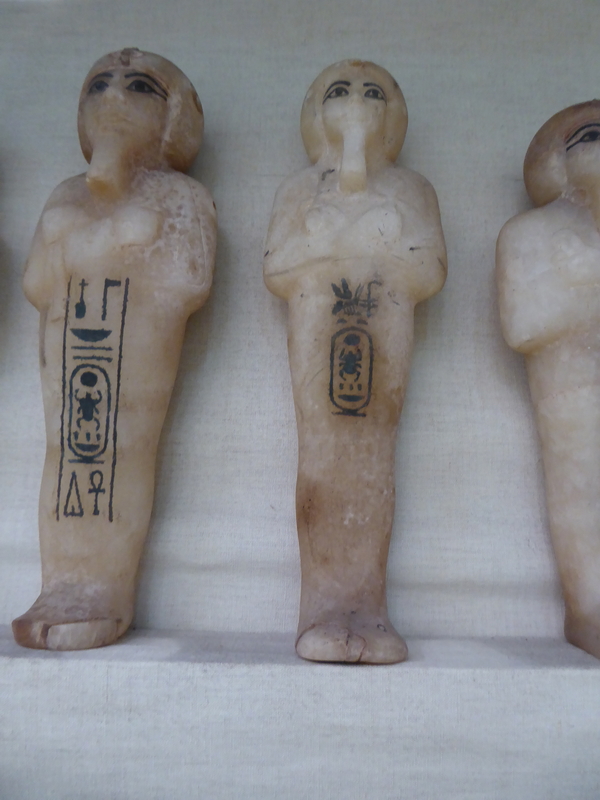
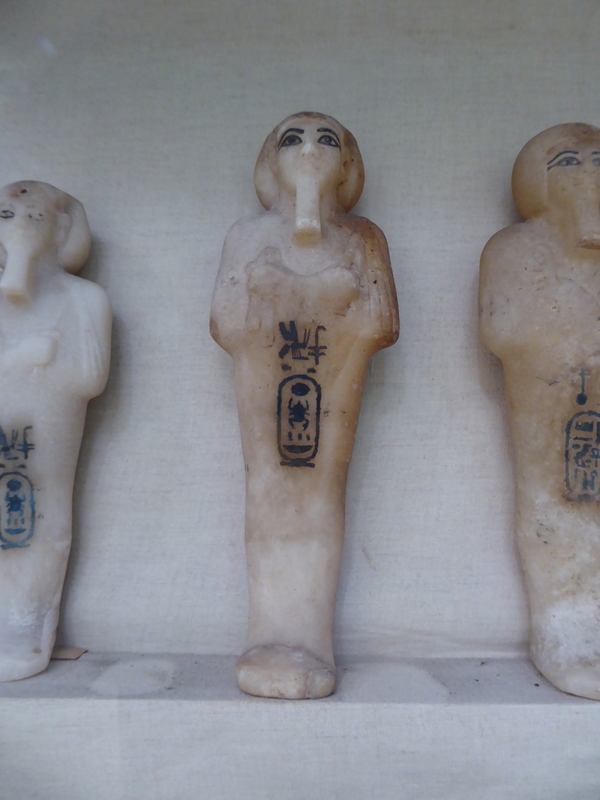
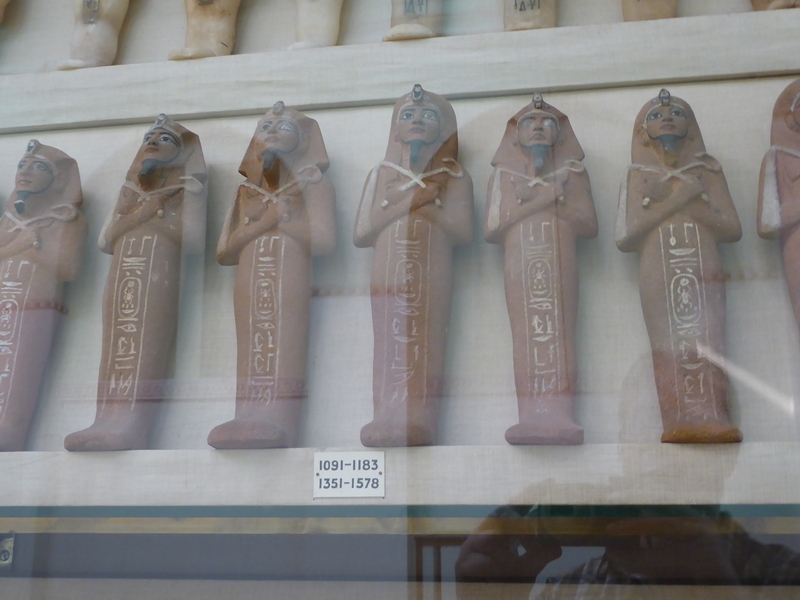
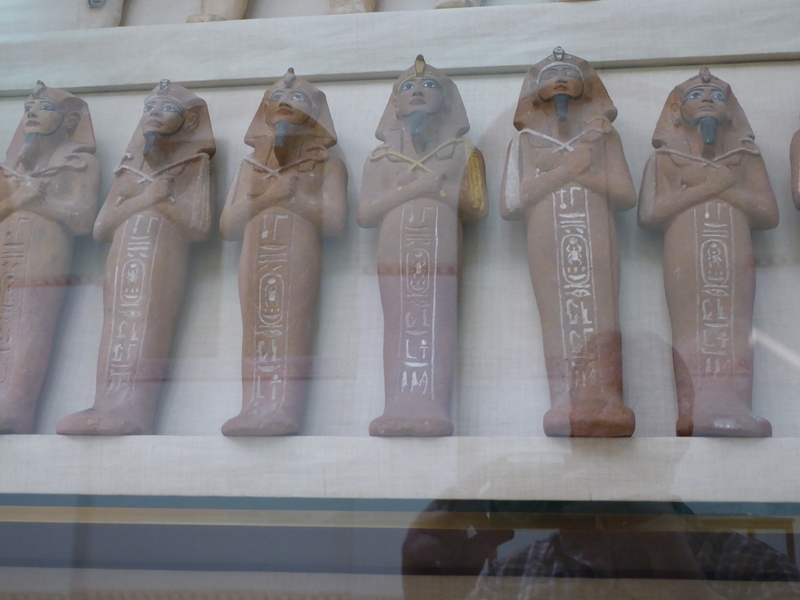
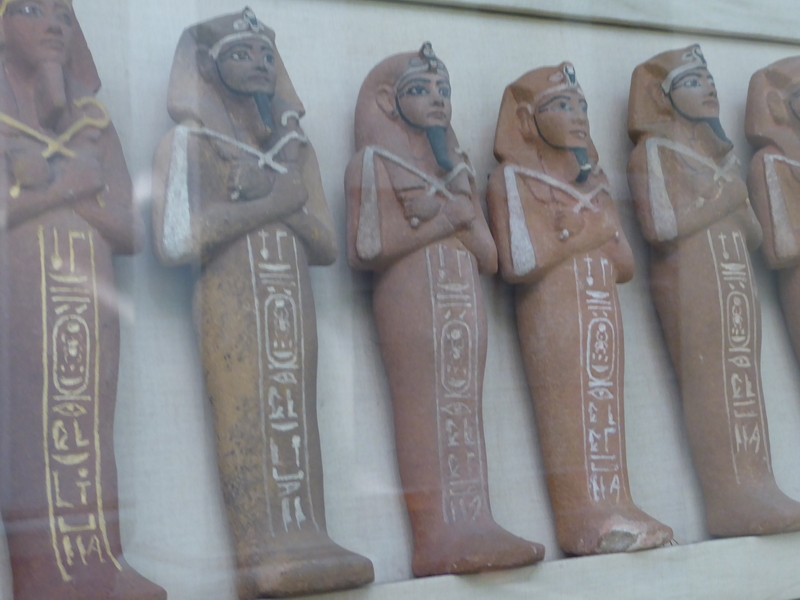
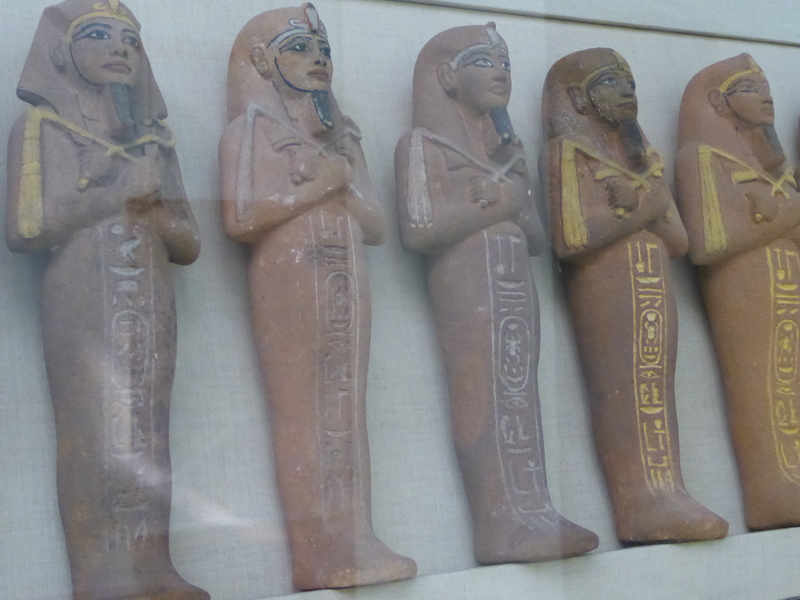
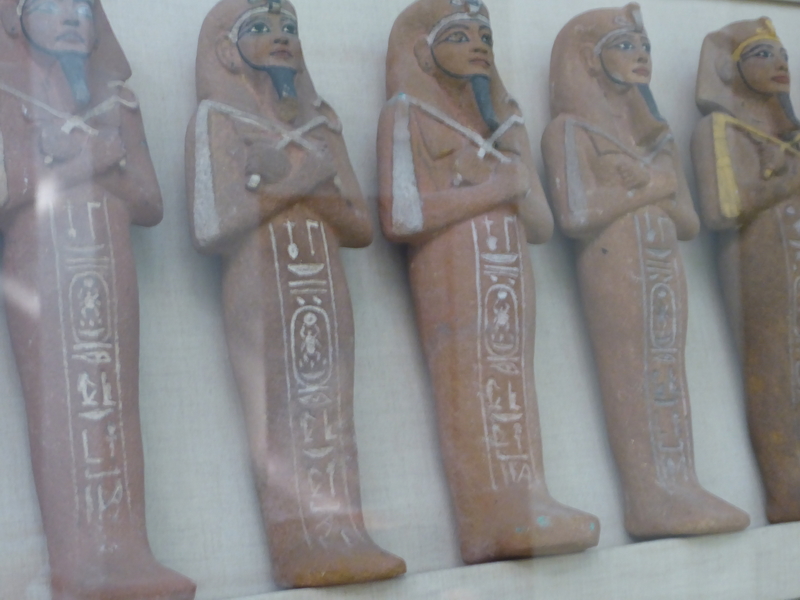
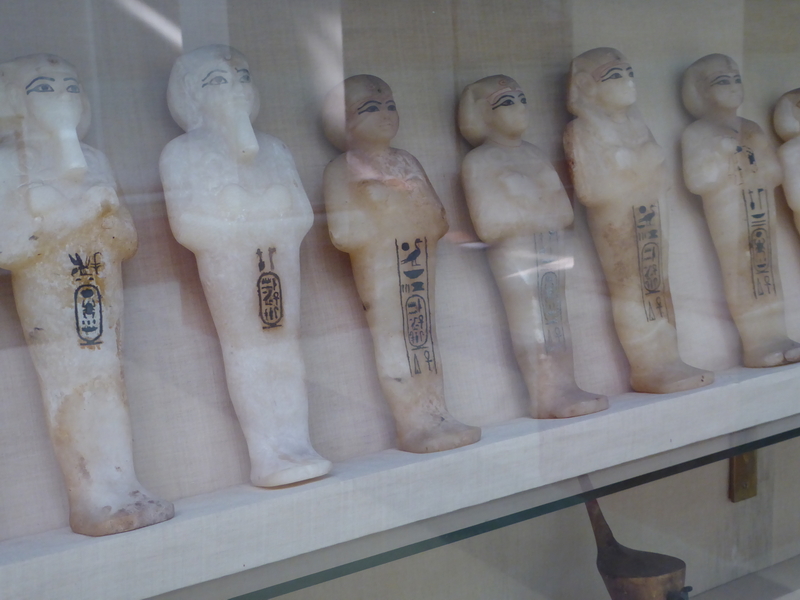
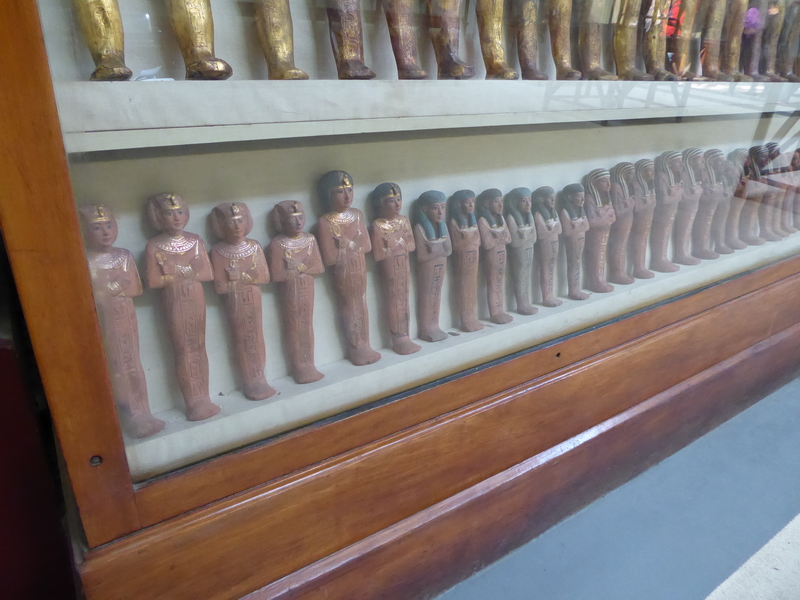
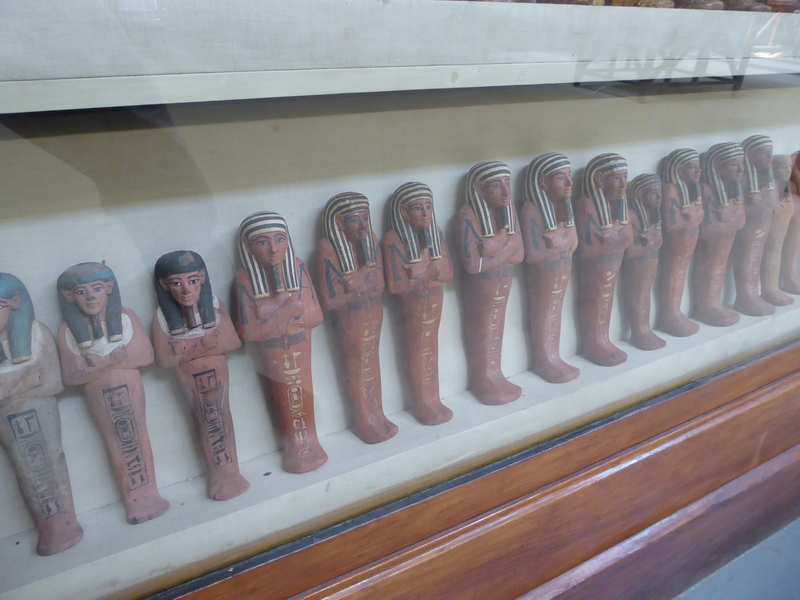
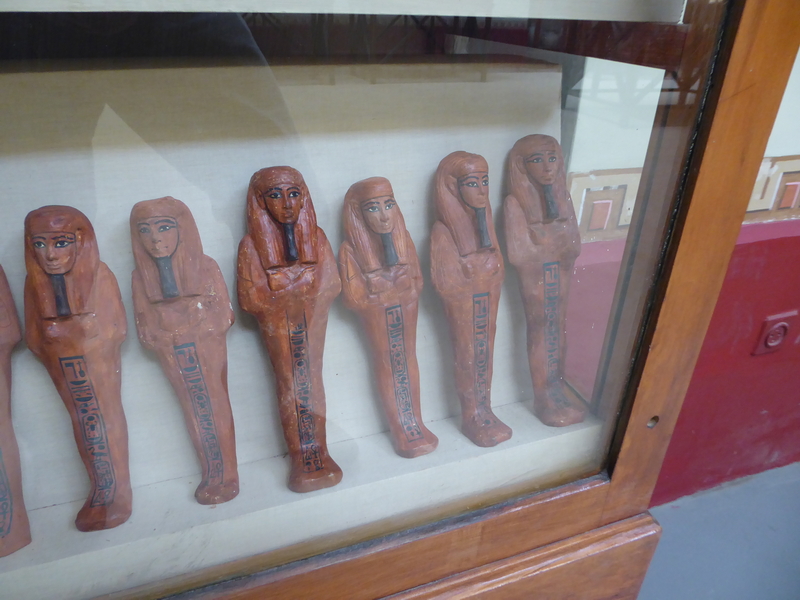
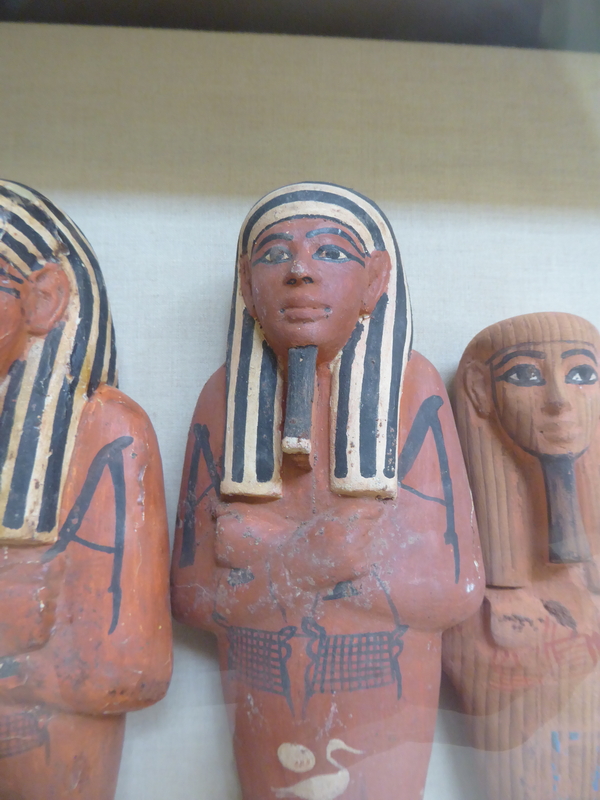
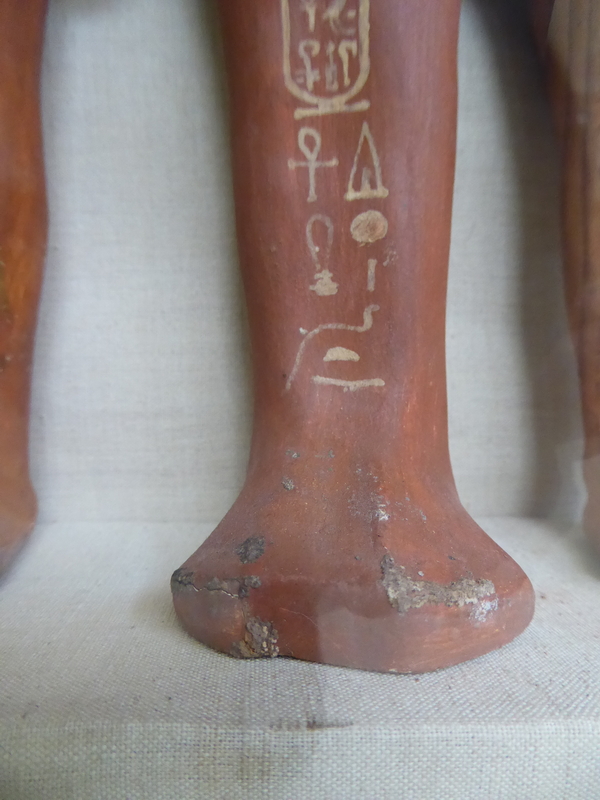
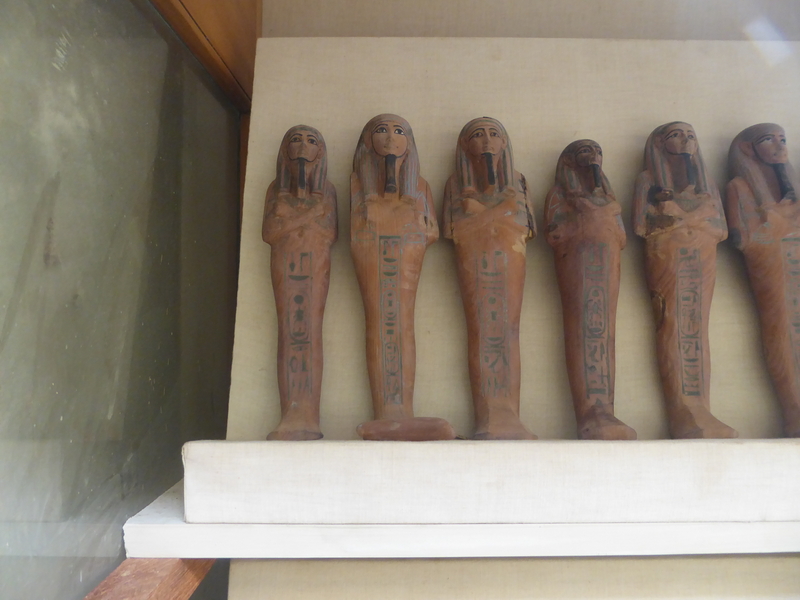
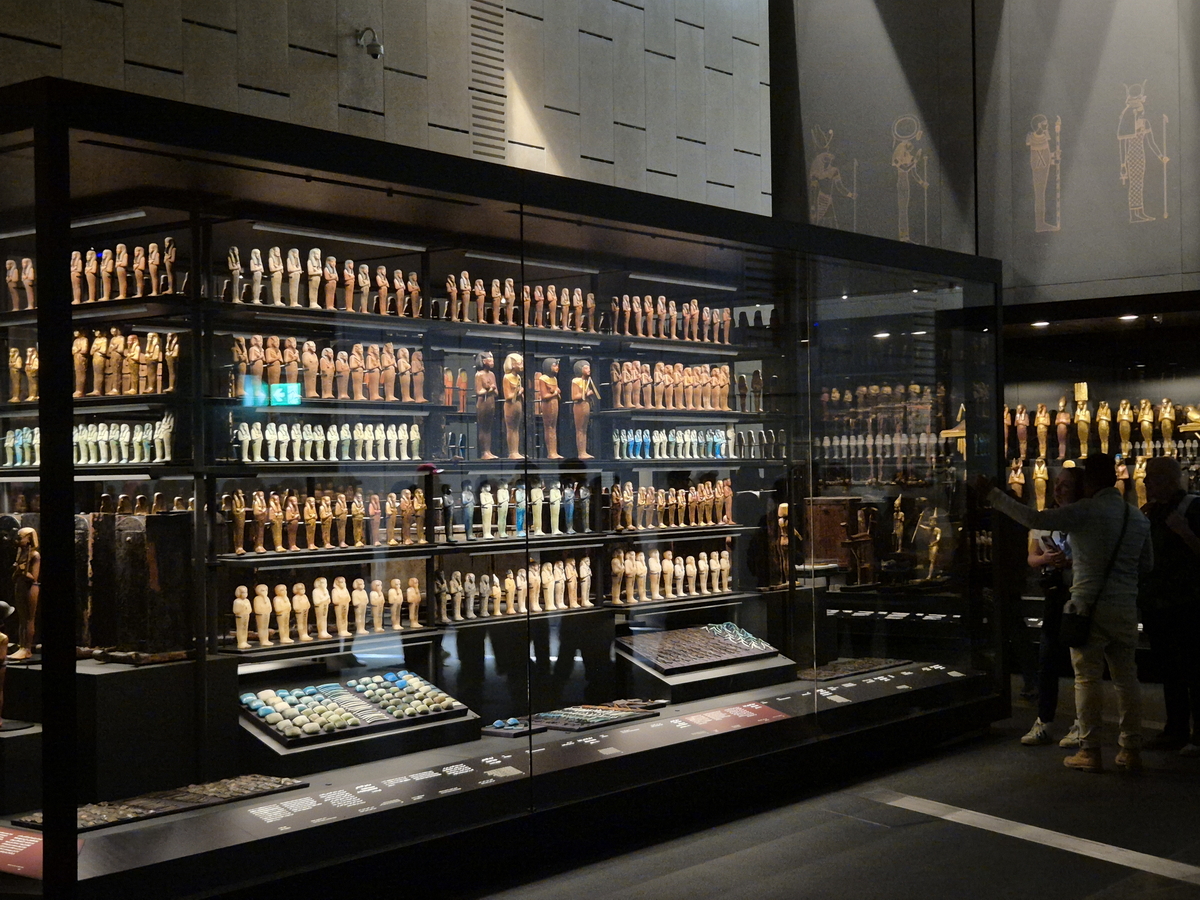
In 1922, Howard Carter discovered the tomb of Tutankhamun (KV62). He recorded 413 shabtis. The 413 shabtis are divided into workers, overseers, and monthly overseers. Most of them (not all) can be found here in random order. The photos are free to use, and larger versions are available via info@ushabtis.com
The shabtis from KV62 were made from materials such as faience, wood, calcite (alabaster), and occasionally glass.
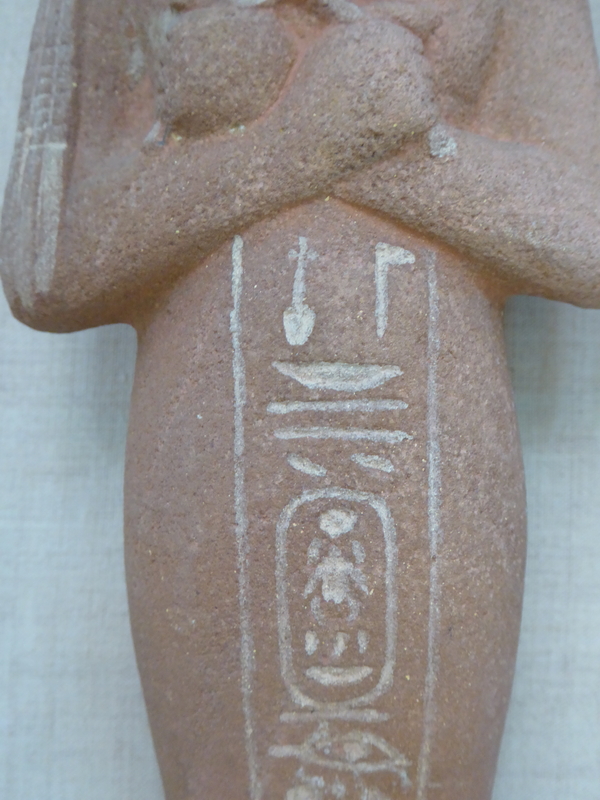
Unlike shabtis from later periods, apart from a few exceptions Tutankhamun’s do not generally bear text of Book of the Dead Chapter 6, the spell that commands the shabti to work on behalf of the deceased. This distinguishes them from the ushabtis of the later New Kingdom, the Third Intermediate Period and the Late Period, which regularly feature such inscriptions. Instead, Tutankhamun’s shabtis are often richly decorated, equipped with miniature implements, and emphasize artistic value and symbolic meaning, reflecting royal status as well as ritual function.
Tutankhamun died young, probably around his eighteenth or nineteenth year. His early and possibly unexpected death likely meant that KV62, his final resting place, was not originally intended for him. The tomb shows evidence of hasty adaptation, suggesting that it was a “stopgap” solution, possibly first designed for another family member or even a female ruler like Nefertiti, before Tutankhamun was interred there.
Tutankhamun was the son of Akhenaten (Amenhotep IV), the pharaoh famous for his religious revolution focusing on the sun god Aten. After Akhenaten’s death, Egypt returned to its traditional religious practices, with the restoration of the cult of Amun. Tutankhamun’s burial was thus heavily influenced by the Amun priesthood, who not only managed the religious ceremonies but likely also arranged the logistics and rituals surrounding the king’s burial in a time of political and spiritual transition.
The Amun priests, powerful figures in Thebes, played a central role in restoring traditional religion after the heretical Amarna period. At Tutankhamun’s burial, they presided over core rites such as the “opening of the mouth” ceremony, essential for granting the king the powers necessary for survival in the afterlife. Tomb decorations often depict Tutankhamun with Amun and other deities, underlining the full return to orthodoxy.
The objects buried with the young king, including his shabtis, were part of extensive preparations to ensure royal service and protection in the afterlife, despite his youth and brief reign. The tomb’s inventory also featured symbolic items such as gilded shrines and magical amulets, all intended to provide divine safeguarding and eternal life.
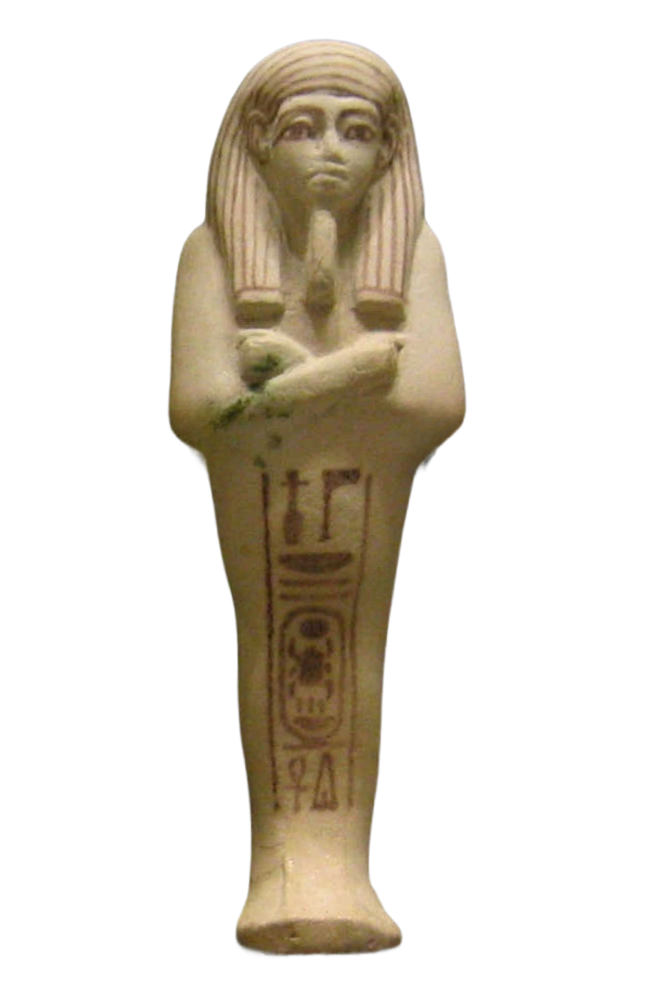
Tutankhamun’s shabtis should all be in Cairo and it is unclear how this one traveled to Europe. Acquired by the Louvre in 1967
Louvre, Paris E25981
Photo: VB
Galleries
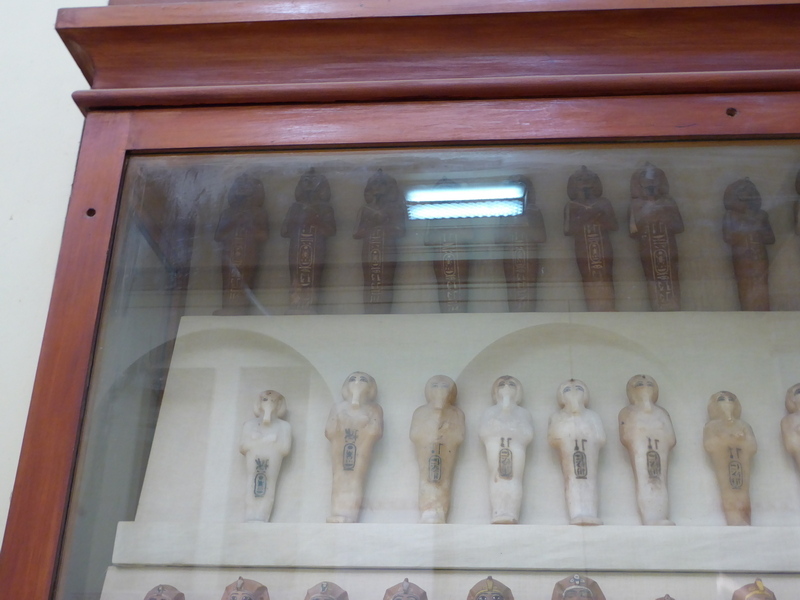
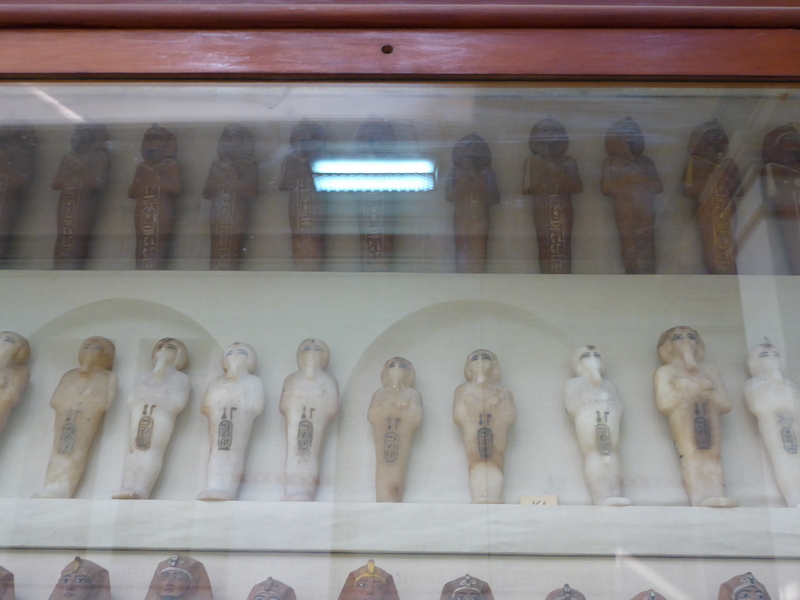
The first grid shows the shabtis in the Grand Egyptian Museum (GEM), photographed in 2026; the second shows the same pieces in the Egyptian Museum, Cairo (Tahrir Square), photographed in 2015. All images may be freely used for research or publication purposes, VB 2015/2026


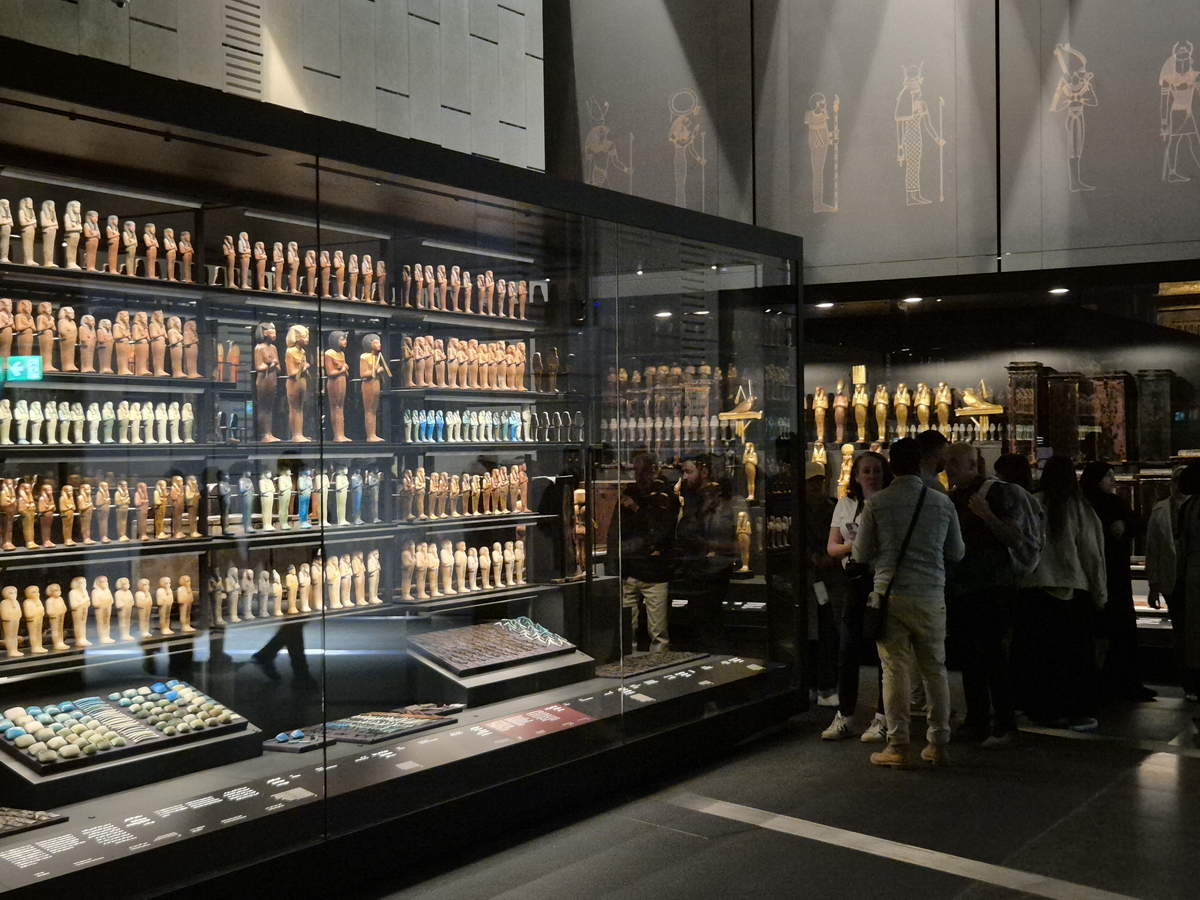


Tahrir Museum Cairo (EMC), 2015