
The coffins of Nesykhonsu A
Close inspection of the inscriptions on Nesykhonsu A’s two coffins (CG 61030, mummy CG 61095) and mummy board has revealed that these items originally belonged to a woman named Isetemkheb. Kenneth Kitchen tentatively identified this individual as Isetemkheb C, the wife of Menkheperra (TIP, 474f.). However, Andrzej Niwiński argues that the original owner was in fact Isetemkheb D, Pinedjem II’s first wife, whose mummy was also discovered in DB 320. According to Niwiński, after Pinedjem II transferred his affections to the younger Nesykhonsu A, and she died unexpectedly before her own funerary equipment could be prepared, he repurposed Isetemkheb D’s coffins for Nesykhonsu’s burial. As a result, Isetemkheb D required a new set of coffins for her own interment, which were ultimately those in which she was found in DB 320 (JEA 74 [1988], 226ff.).
The condition of the coffins supports the notion of a complex post-burial history. Nesykhonsu’s mummy (CG 61095) was discovered in just one of the two coffins, presumably the inner one, though the original records from the discovery and clearance of DB 320, made in the late 19th century, are ambiguous and inconsistent. The lid of this inner coffin and the accompanying mummy board had both been damaged, with the gilded faces and hands removed, while the outer coffin survived largely intact. At some stage, the mummy of Ramesses IX was also found within one of these two coffins, but due to the chaotic nature of the 1881 clearance, modern researchers cannot definitively state which individual was placed in which coffin.
Nicholas Reeves has proposed an intriguing theory to explain Ramesses IX’s placement within a coffin set associated with Nesykhonsu A. He suggests that Nesykhonsu may have donated one of her coffins for the reburial of Ramesses IX, and notes that linen dockets associated with his mummy record that the rewrapping had been provided by Nesykhonsu. However, this view is problematic: there is no evidence that the coffins were ever adapted for a male burial (for instance, by altering the distinctive feminine pose of the hands on their lids). As Rogerio Sousa has stressed, gender markers such as hand position were scrupulously respected in 21st Dynasty coffin reuse, making it unlikely that such a conspicuous marker would be ignored were the coffin intentionally rededicated to a king.
Edward Loring further argues against the “donation” hypothesis by emphasizing that Nesykhonsu A died so young and unexpectedly that she never had coffins of her own prepared in the first place, hence her use of Isetemkheb D’s burial equipment (TRC, 71).
Michel Dewachter suggests that Ramesses IX was accidentally interred in Nesykhonsu’s coffin during the ancient caching operations in DB 320. However, as the original burial of Nesykhonsu A in DB 320 (Year 5 of Siamun) predates the reburial of Ramesses IX by some years, this scenario appears unlikely. Erhart Graefe has posited that the mix-up may have occurred during the 1881 clearance itself, when heavy nested coffins were separated and reassembled, and the available empty outer coffin was simply used to transport Ramesses IX’s mummy to Cairo, thus creating the present confusion (TRC, 59).
Recent scholarship more widely supports the view that Nesykhonsu A was first interred elsewhere, in a burial that suffered significant disturbance, as evidenced by water damage, wood rot, and ancient repair and restoration visible on her coffins. The subsequent reburial of Nesykhonsu A and her equipment in DB 320 fits the broader pattern of 21st Dynasty protective reburials, driven by rampant tomb robbery in Thebes. The types of damage to the coffins of Nesykhonsu A (for instance, an intact outer coffin concealing a violated and looted inner coffin) are also observed with other high-status individuals reburied in DB 320, such as Maatkara, Masaharta, and Isetemkheb D. As Aidan Dodson, Salima Ikram, and others have shown, this pattern of interior violation and exterior preservation points to pilfering by individuals with inside access, possibly even those directly responsible for the reburials themselves.
In sum, a body of textual, physical, and historical evidence suggests that the burial equipment of Nesykhonsu A, including her iconic gilded coffins, experienced a complex history of loss, reuse, damage, and repair, likely beginning at an earlier burial site and culminating in their final placement in DB 320.
Source Bibliography: CCR, 110ff.; pls. XLV, XLVII, XLIX; DRN, pp. 189, 213, no. 22; 218 n. 57; 219 n. 68; 256; GCSS, 61f; JEA 74, [1988] 226ff; MiAE, p. 330; TIP, p. 474f; TRC, 59, 71.
Source 2025-07: Revised and improved based on a now-defunct page of The Theban Royal Mummy Project via Wayback Machine.
Source url http://anubis4_2000.tripod.com/mummypages1/DB320Coffins/NeskhonsCoffin.htm
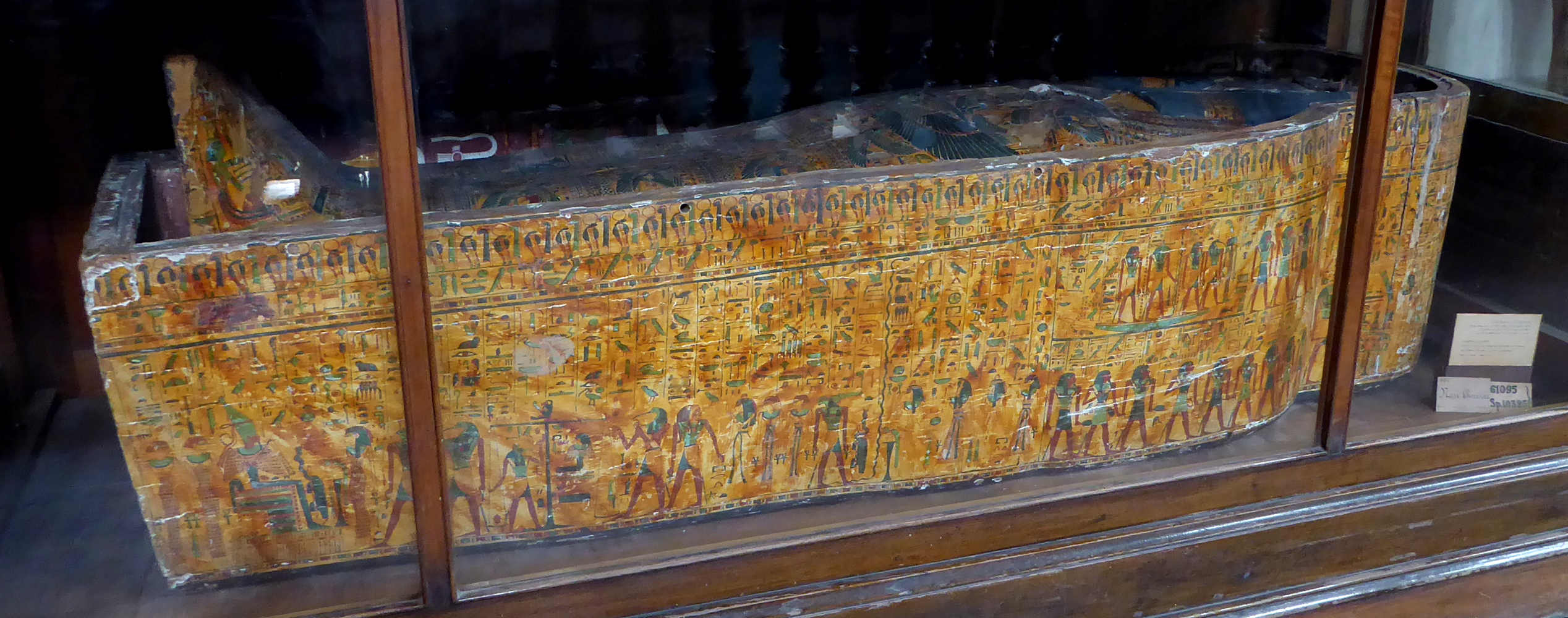
Outer basin and inner coffin Nesykhonsu ursurped from Isetemkheb D
Cairo Museum JE 26199 / CG 61030 / SR 10325
Numbers on old labels 1184 – 61095 – Sp 10325
Photo: VB 2015
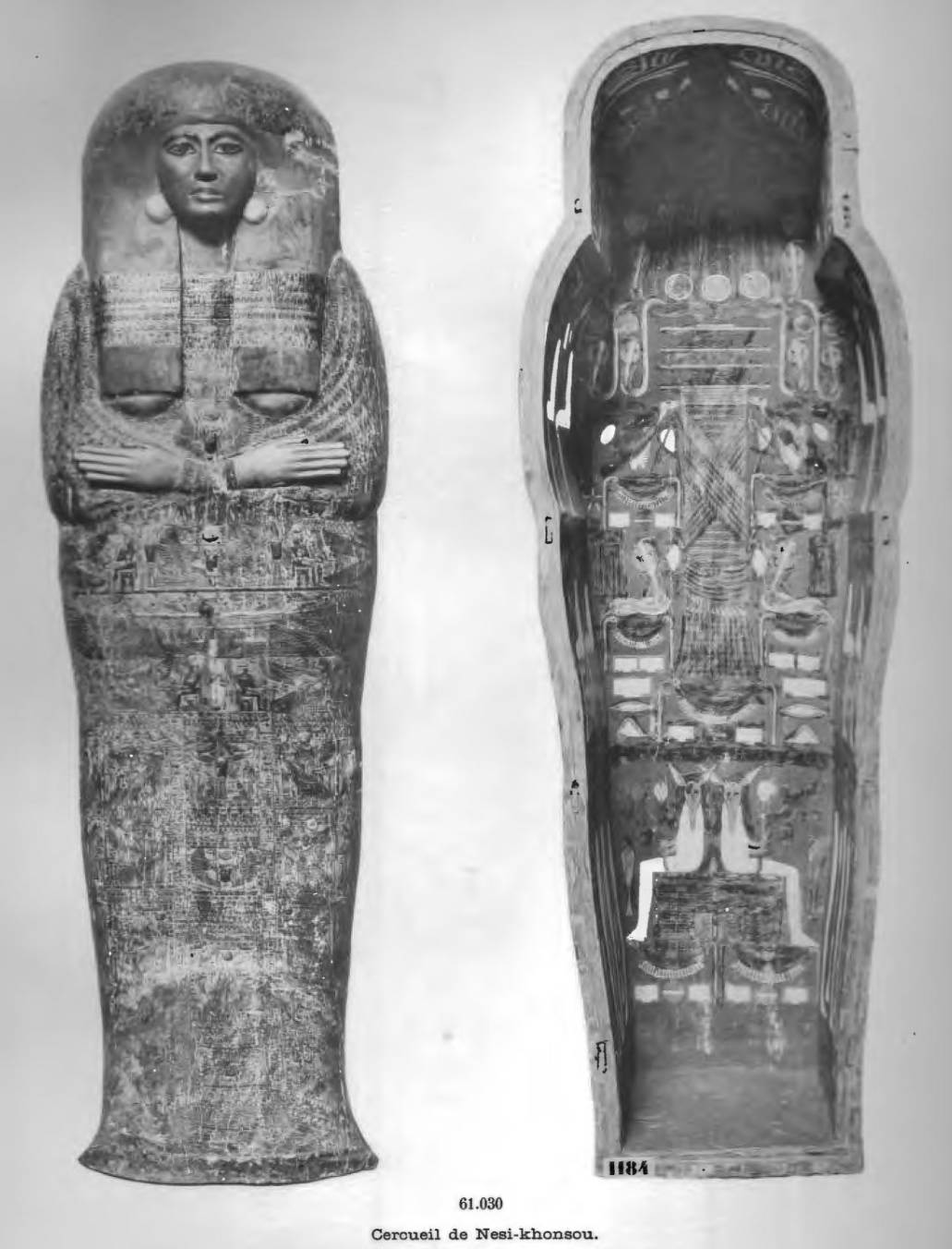
CG 61030
Nesykhonsu’s outer coffin from Georges Daressy’s Cercueils des cachettes royales, Cairo, 1909
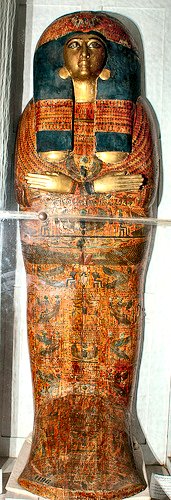
Outer coffin lid Nesykhonsu A
Photo: CESRAS

Inner coffin lid Nesykhonsu A
Photo: CESRAS

Nesykhonsu A
Photo: CESRAS
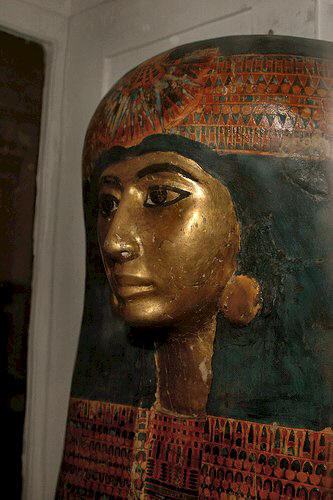
Nesykhonsu A
Photo: CESRAS
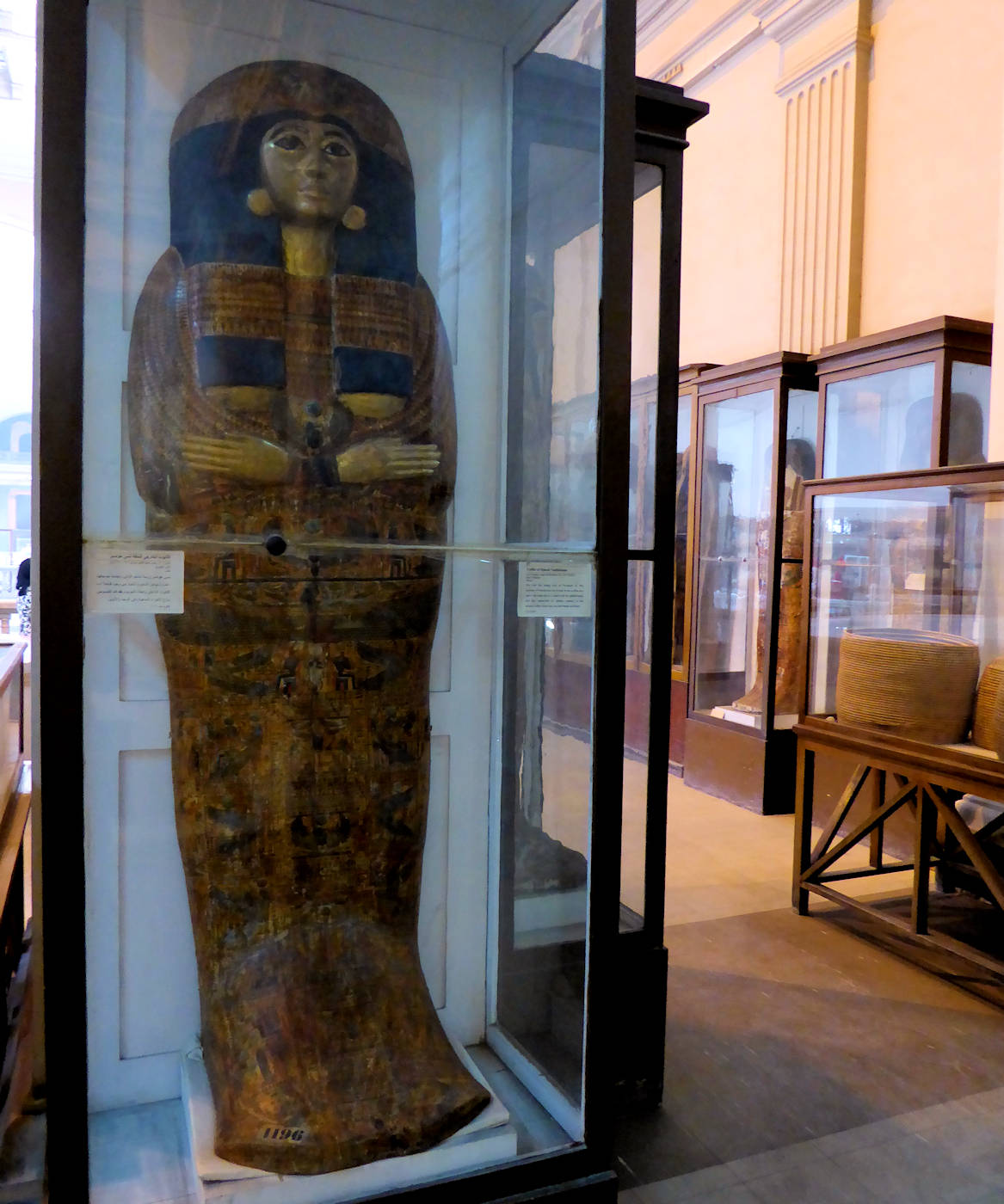
Nesykhonsu A outer coffin, EMC Cairo
Photo: VB 2015
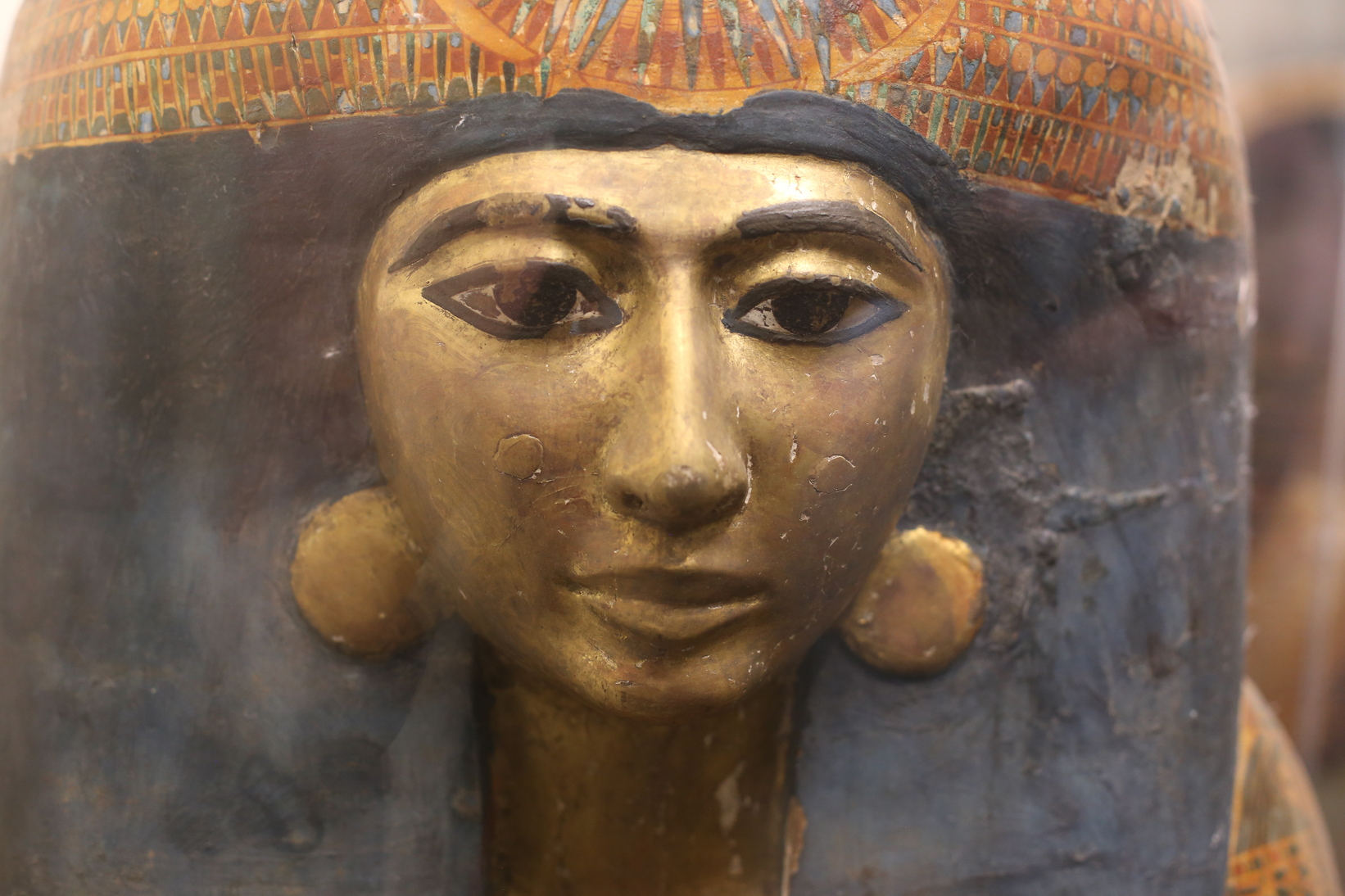
CG 61030 Nesykhonsu coffins photo VB 2015-2020-2021 001

CG 61030 Nesykhonsu coffins photo VB 2015-2020-2021 002
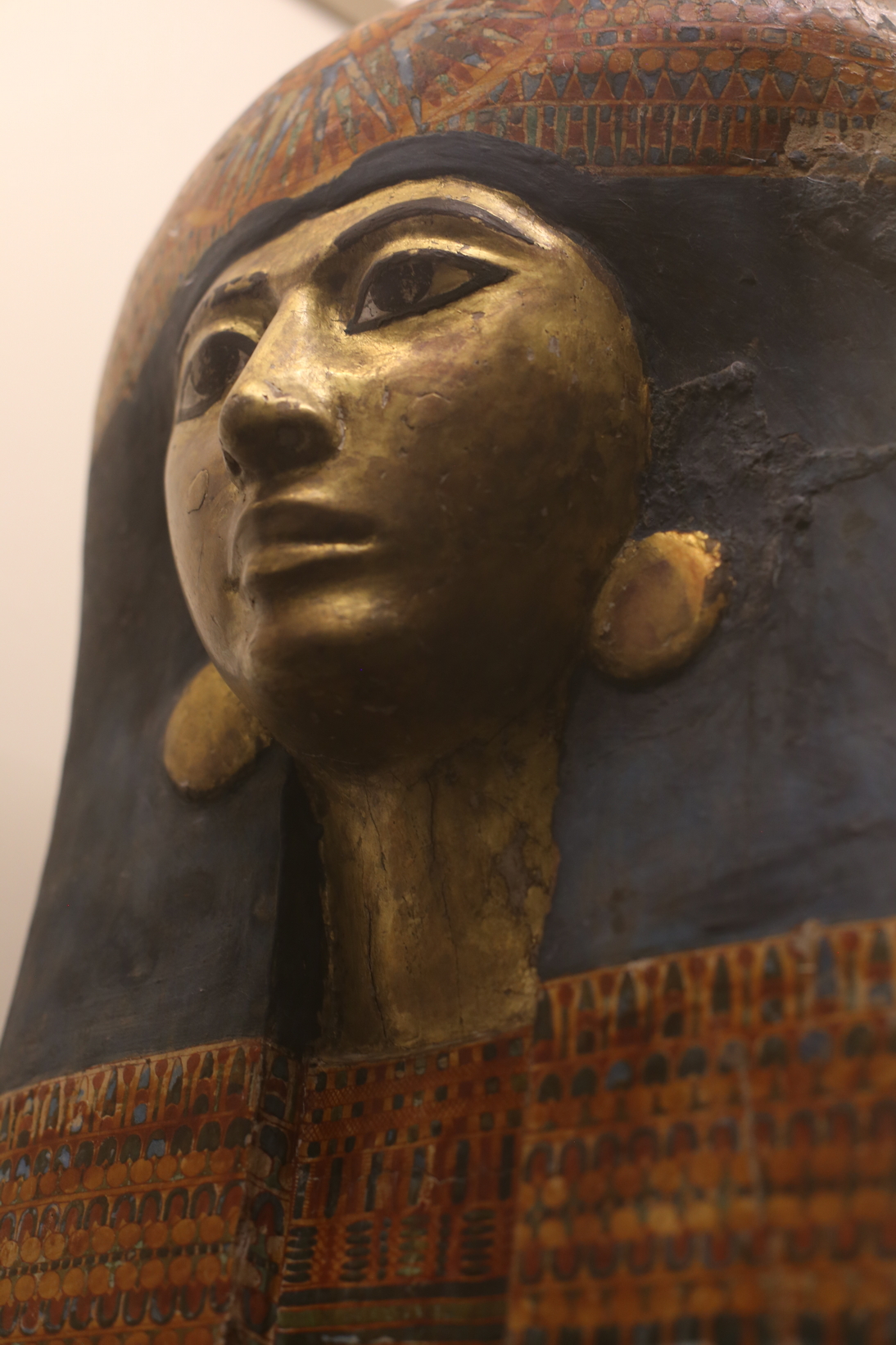
CG 61030 Nesykhonsu coffins photo VB 2015-2020-2021 003

CG 61030 Nesykhonsu coffins photo VB 2015-2020-2021 004

CG 61030 Nesykhonsu coffins photo VB 2015-2020-2021 005

CG 61030 Nesykhonsu coffins photo VB 2015-2020-2021 006

CG 61030 Nesykhonsu coffins photo VB 2015-2020-2021 007
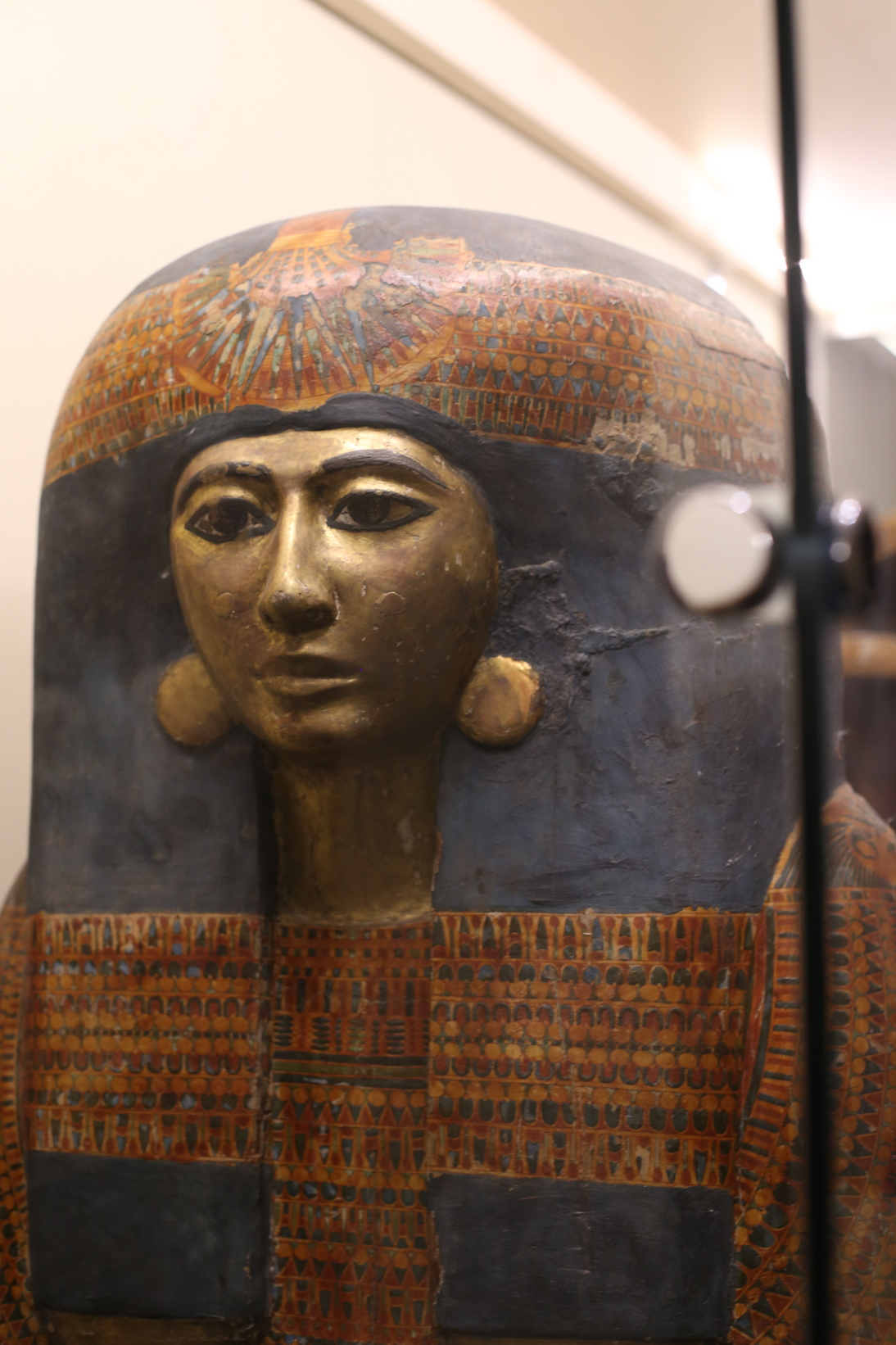
CG 61030 Nesykhonsu coffins photo VB 2015-2020-2021 008

CG 61030 Nesykhonsu coffins photo VB 2015-2020-2021 009

CG 61030 Nesykhonsu coffins photo VB 2015-2020-2021 010

CG 61030 Nesykhonsu coffins photo VB 2015-2020-2021 011

CG 61030 Nesykhonsu coffins photo VB 2015-2020-2021 012
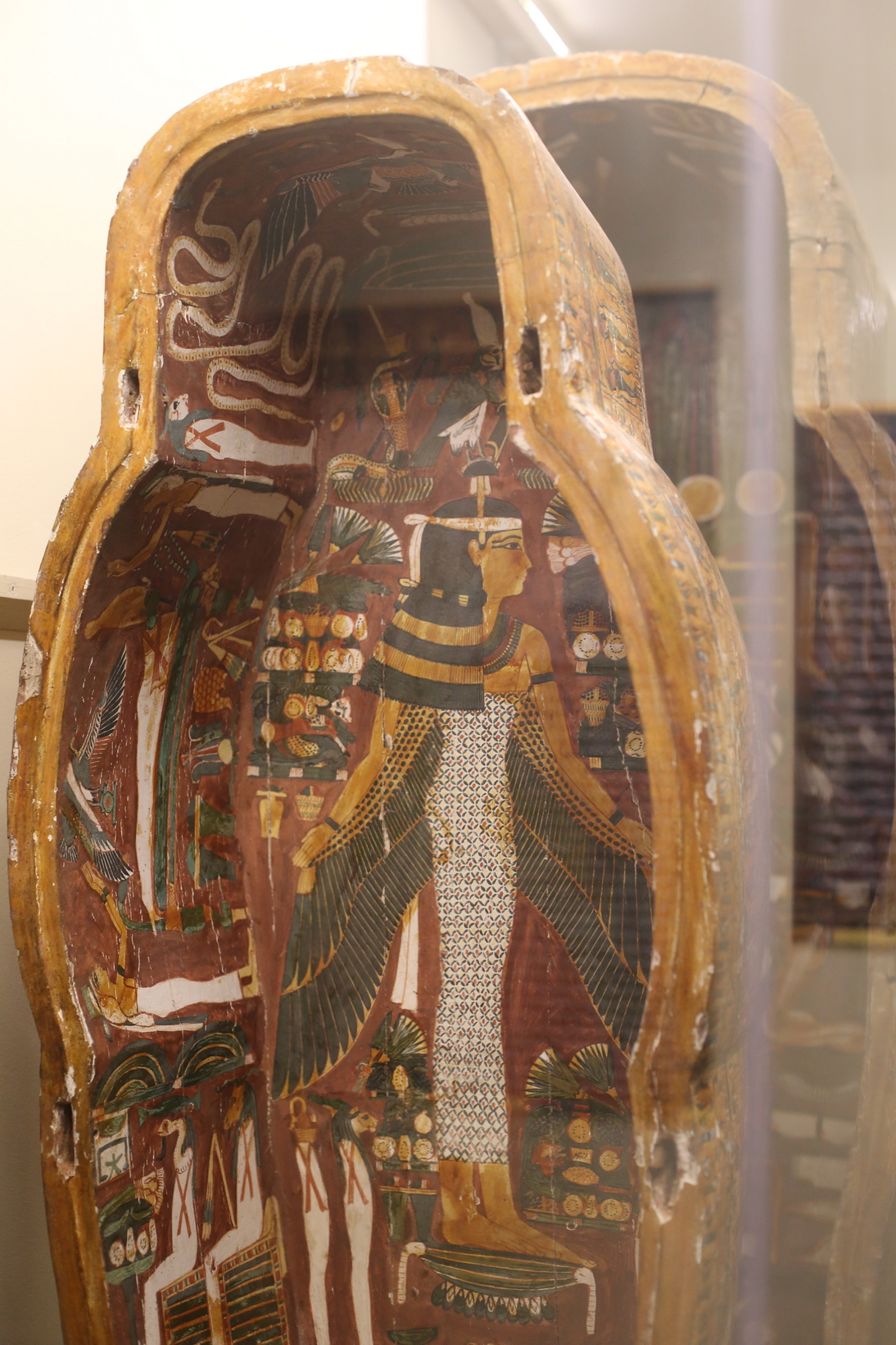
CG 61030 Nesykhonsu coffins photo VB 2015-2020-2021 013

CG 61030 Nesykhonsu coffins photo VB 2015-2020-2021 014
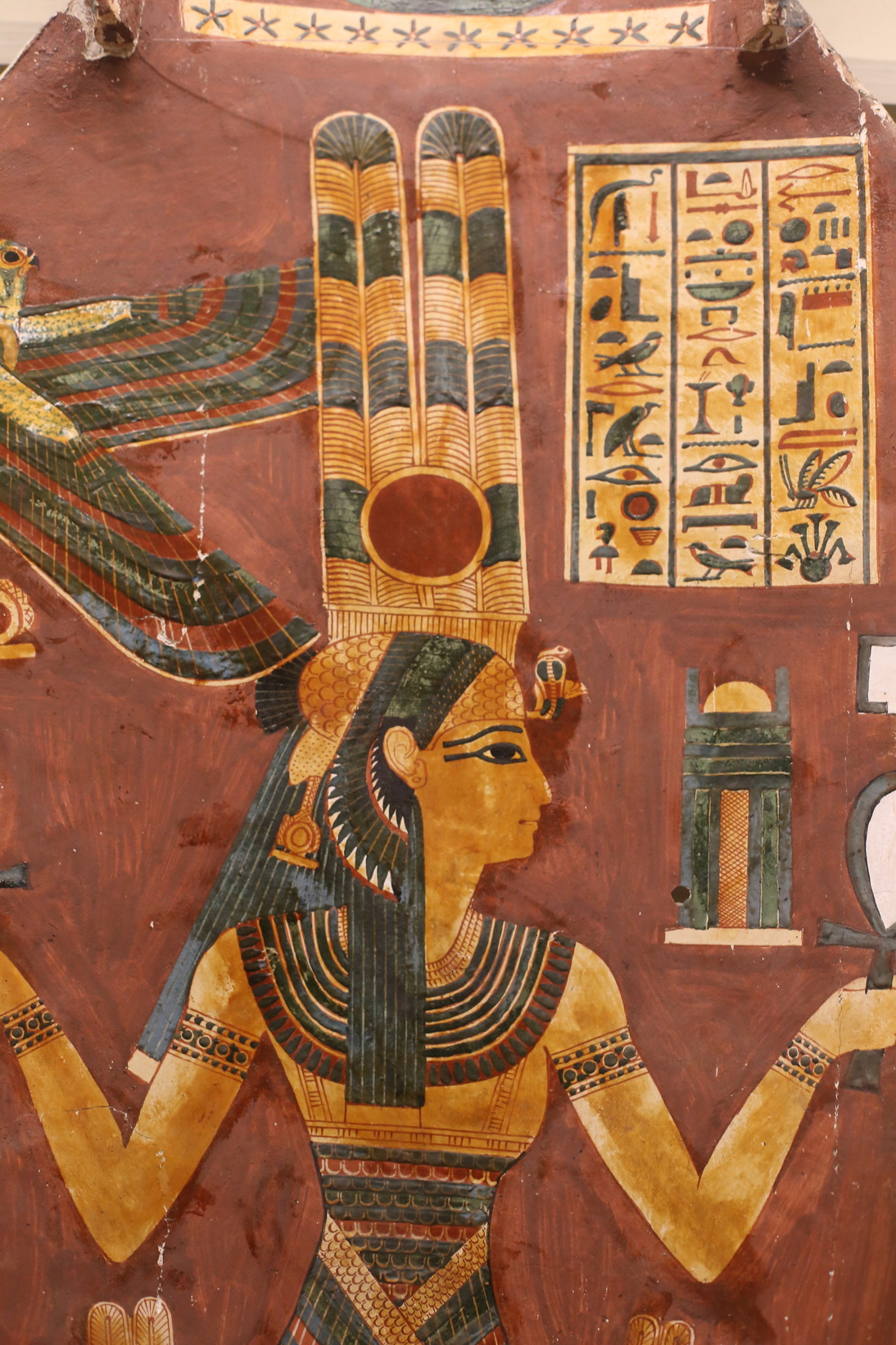
CG 61030 Nesykhonsu coffins photo VB 2015-2020-2021 015

CG 61030 Nesykhonsu coffins photo VB 2015-2020-2021 016
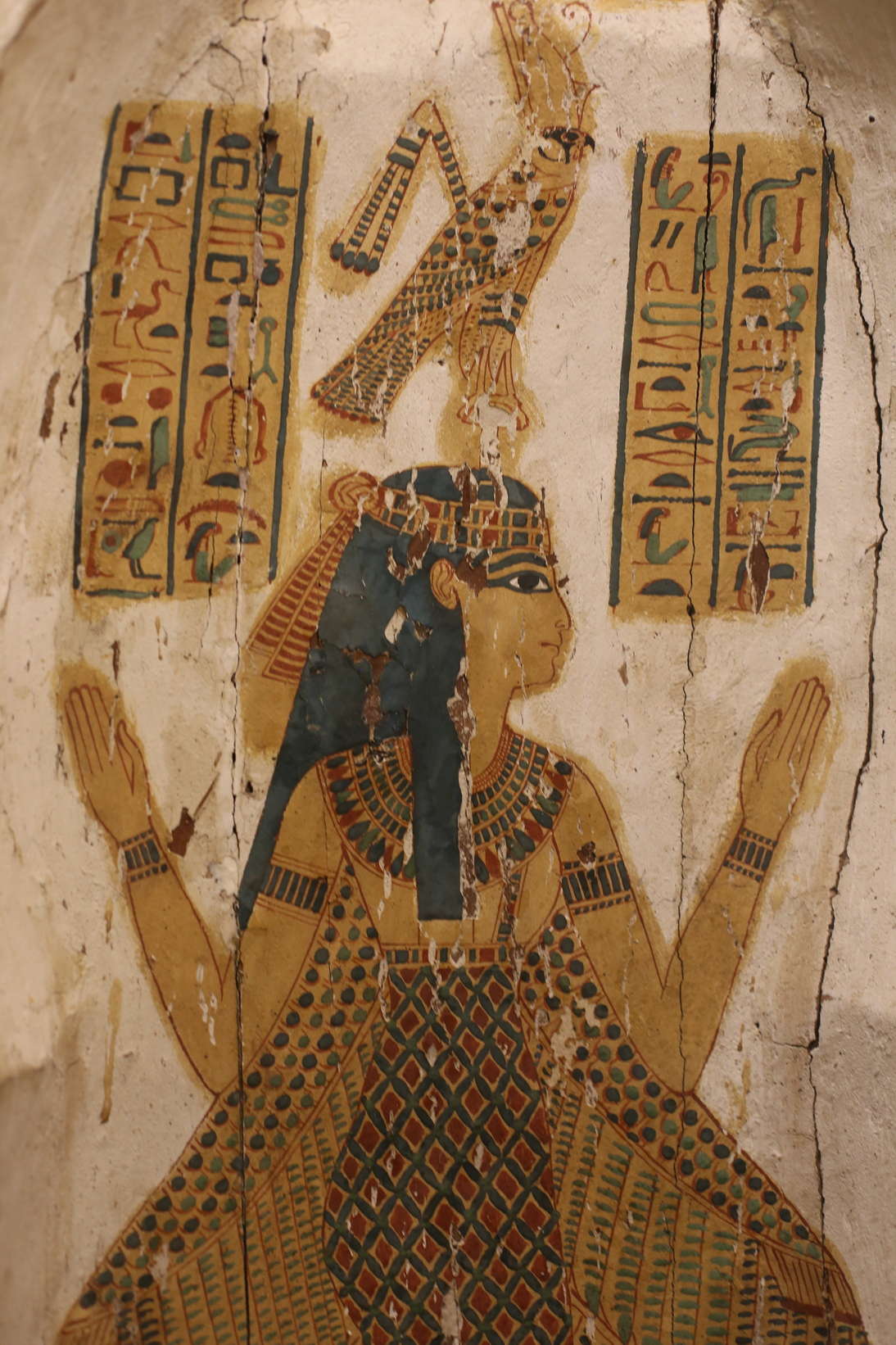
CG 61030 Nesykhonsu coffins photo VB 2015-2020-2021 017
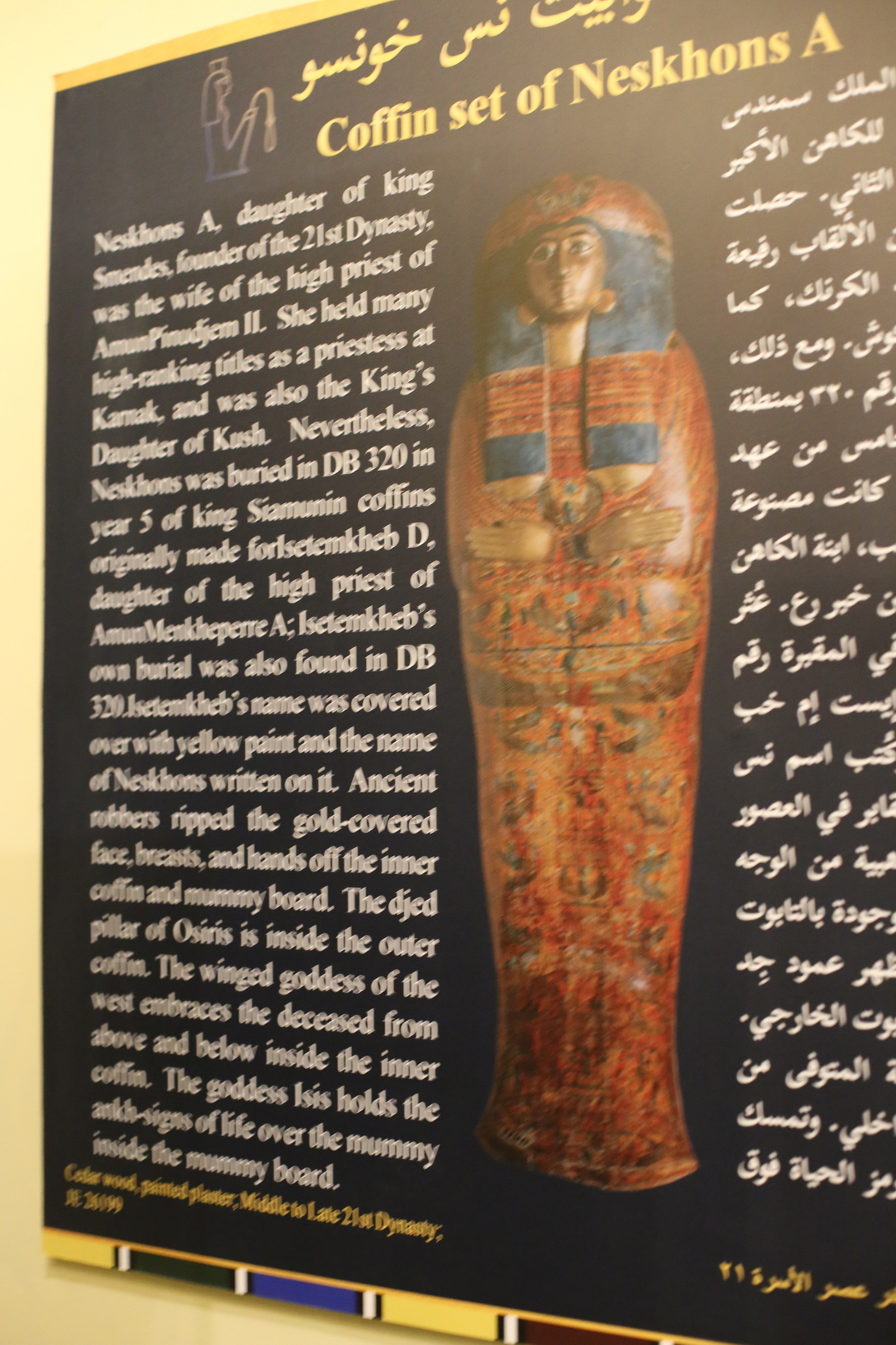
CG 61030 Nesykhonsu coffins photo VB 2015-2020-2021 018
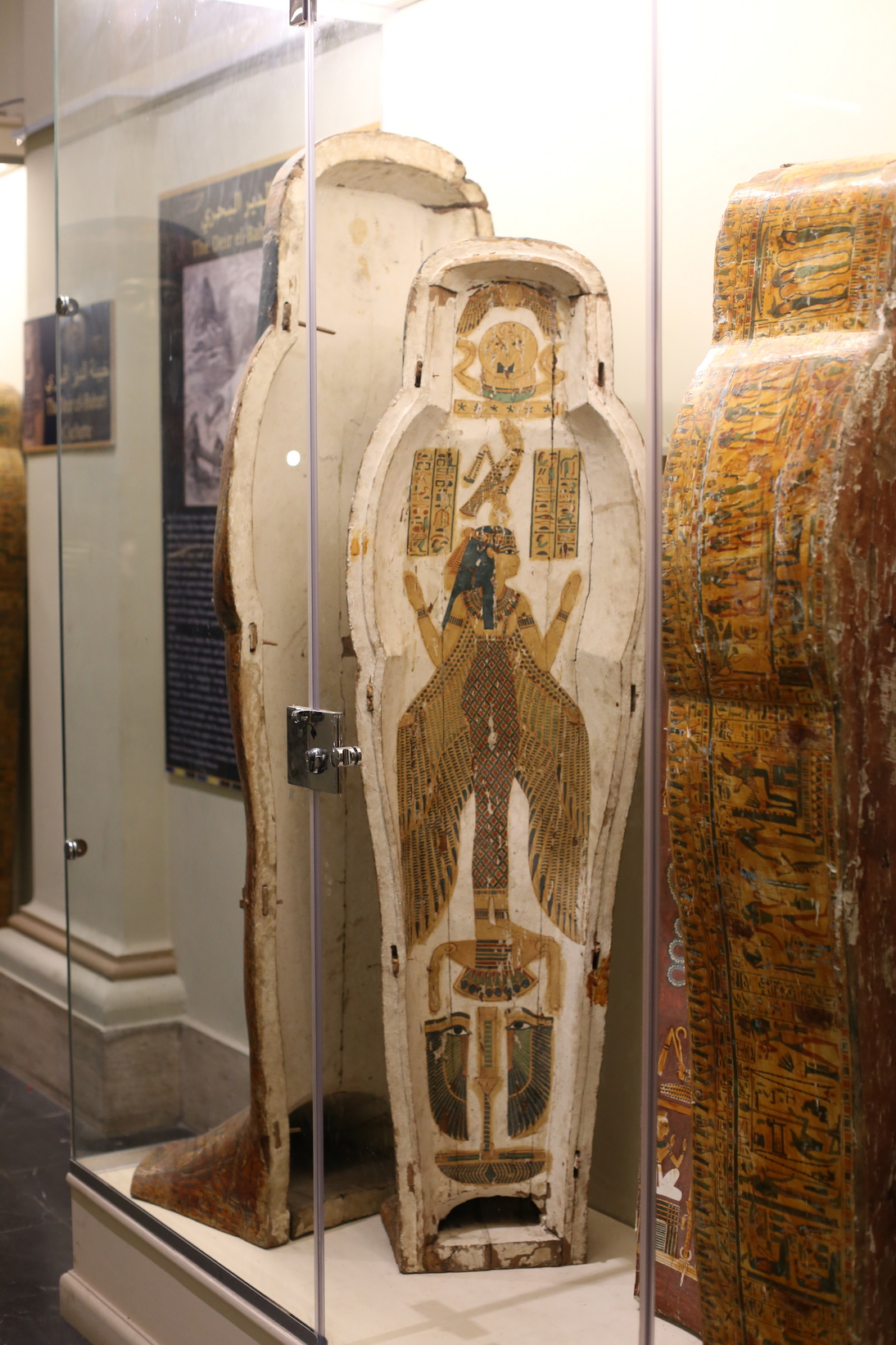
CG 61030 Nesykhonsu coffins photo VB 2015-2020-2021 019
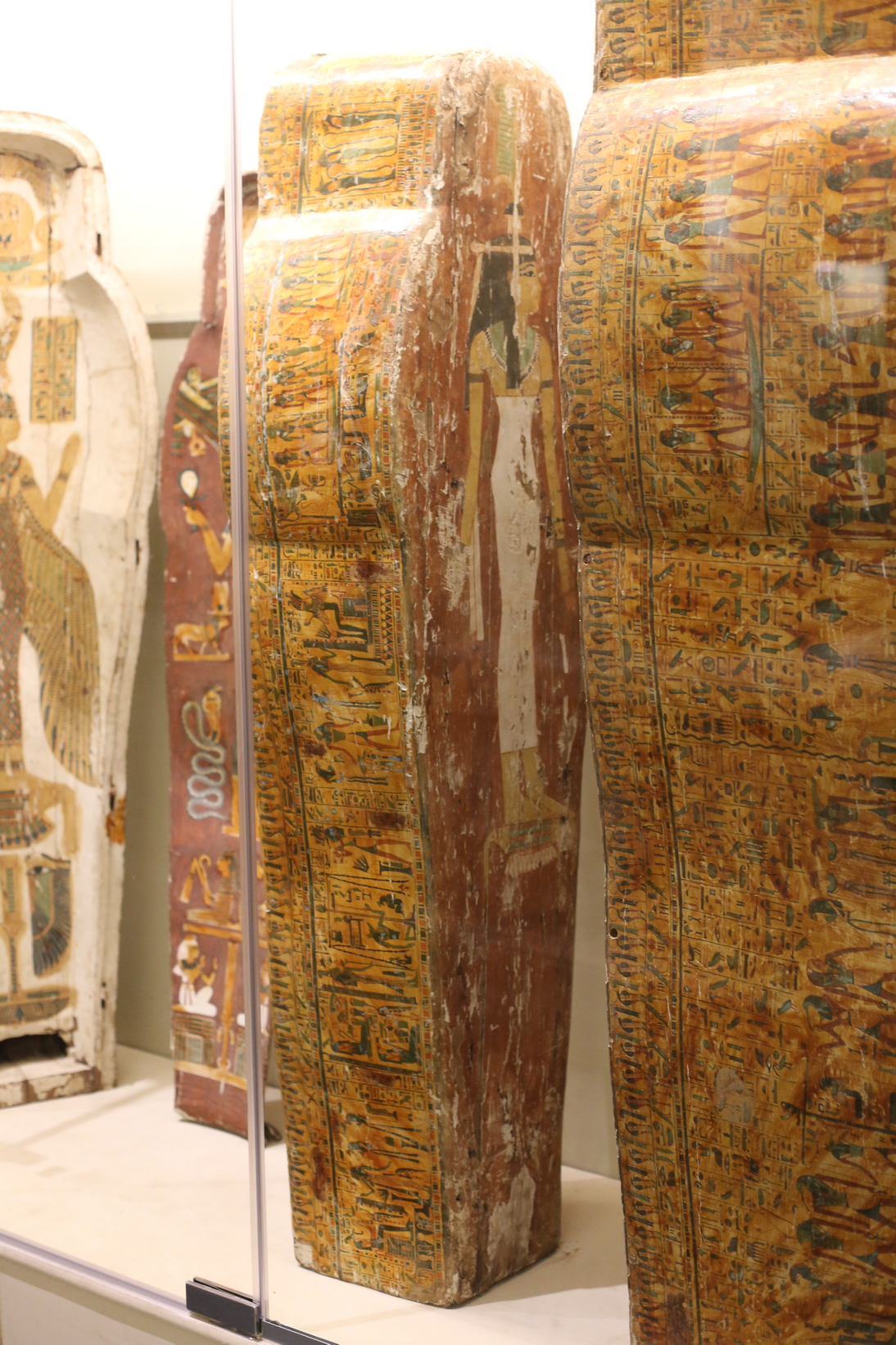
CG 61030 Nesykhonsu coffins photo VB 2015-2020-2021 020
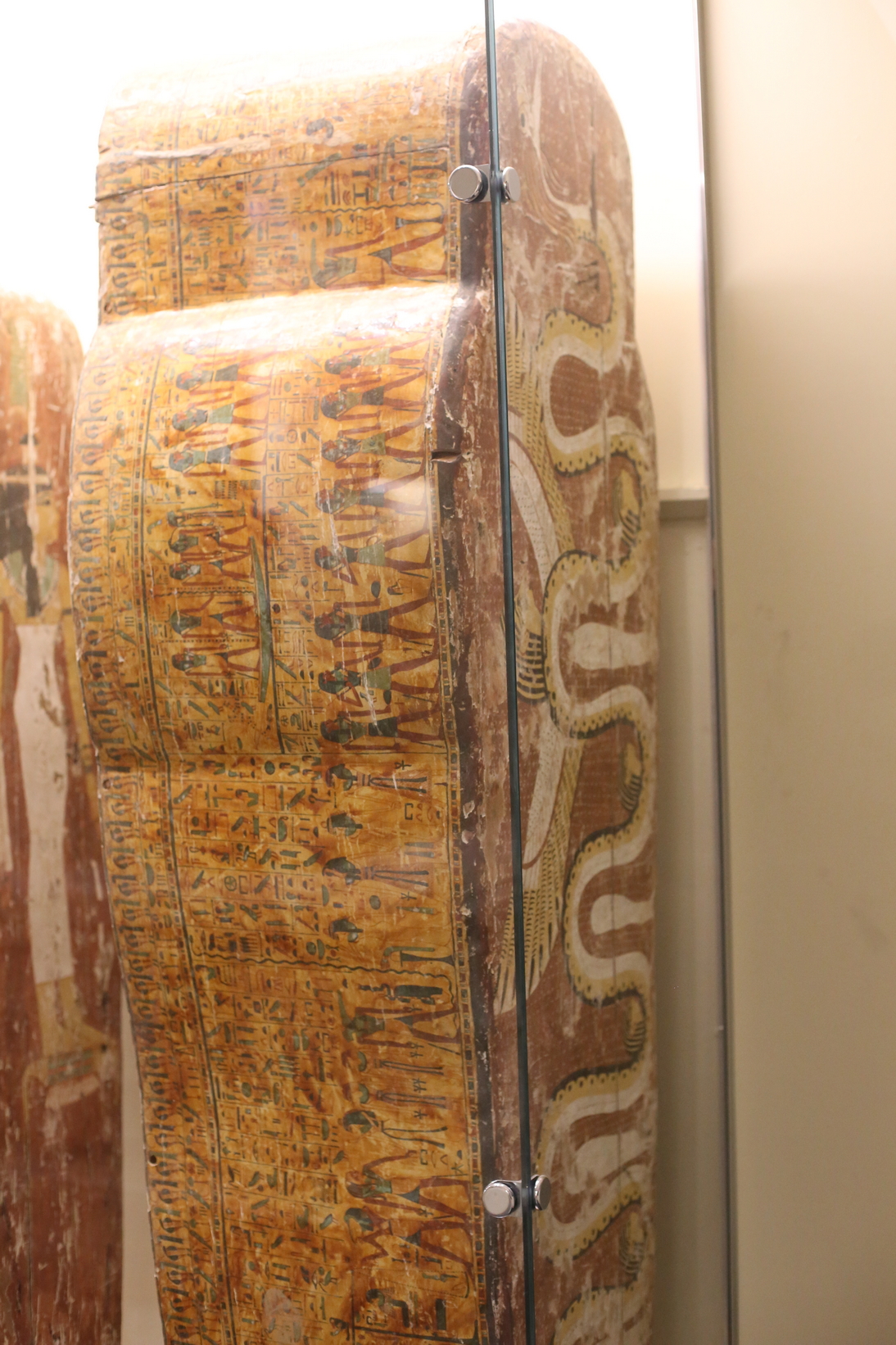
CG 61030 Nesykhonsu coffins photo VB 2015-2020-2021 021

CG 61030 Nesykhonsu coffins photo VB 2015-2020-2021 022
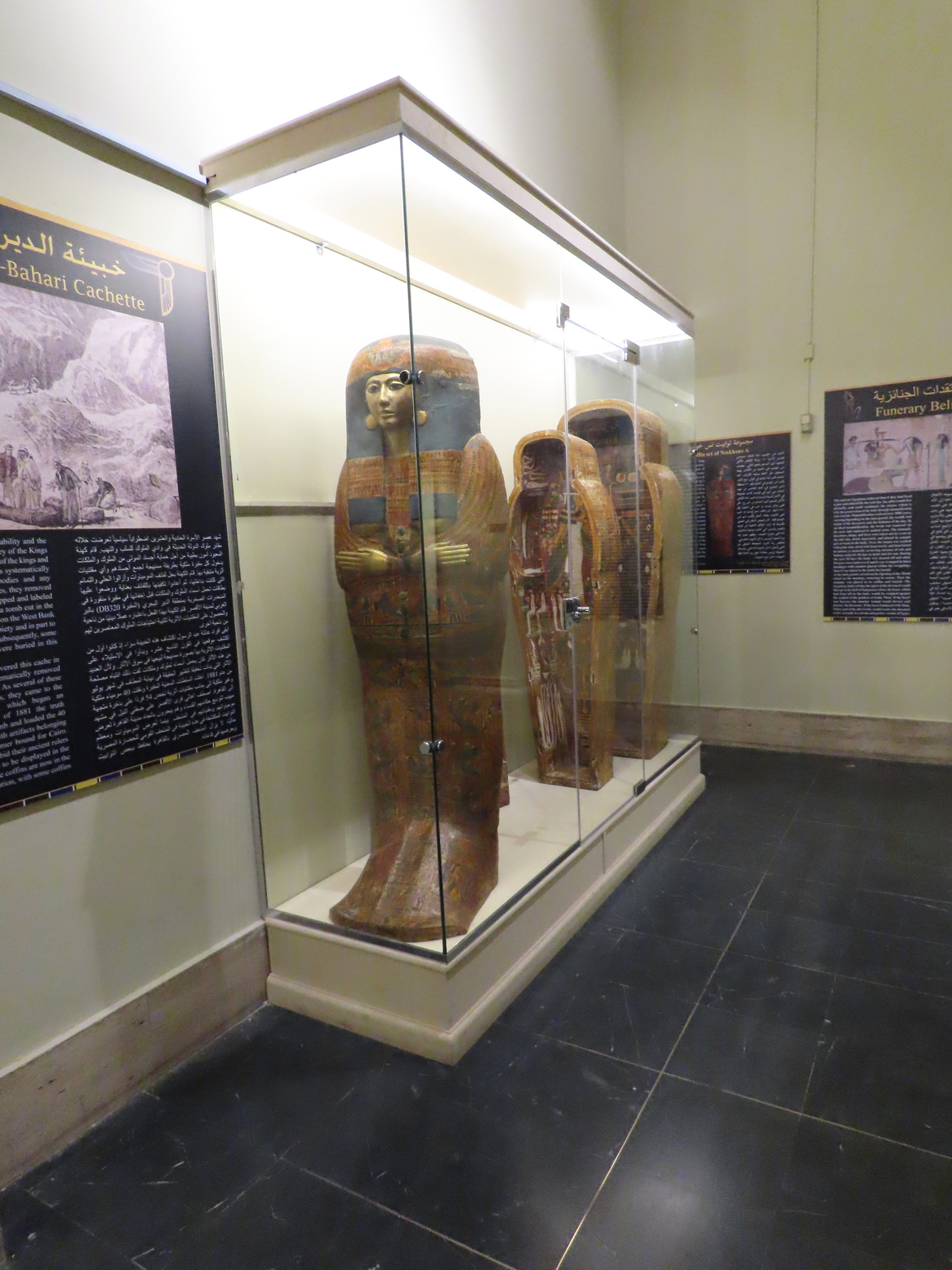
CG 61030 Nesykhonsu coffins photo VB 2015-2020-2021 023
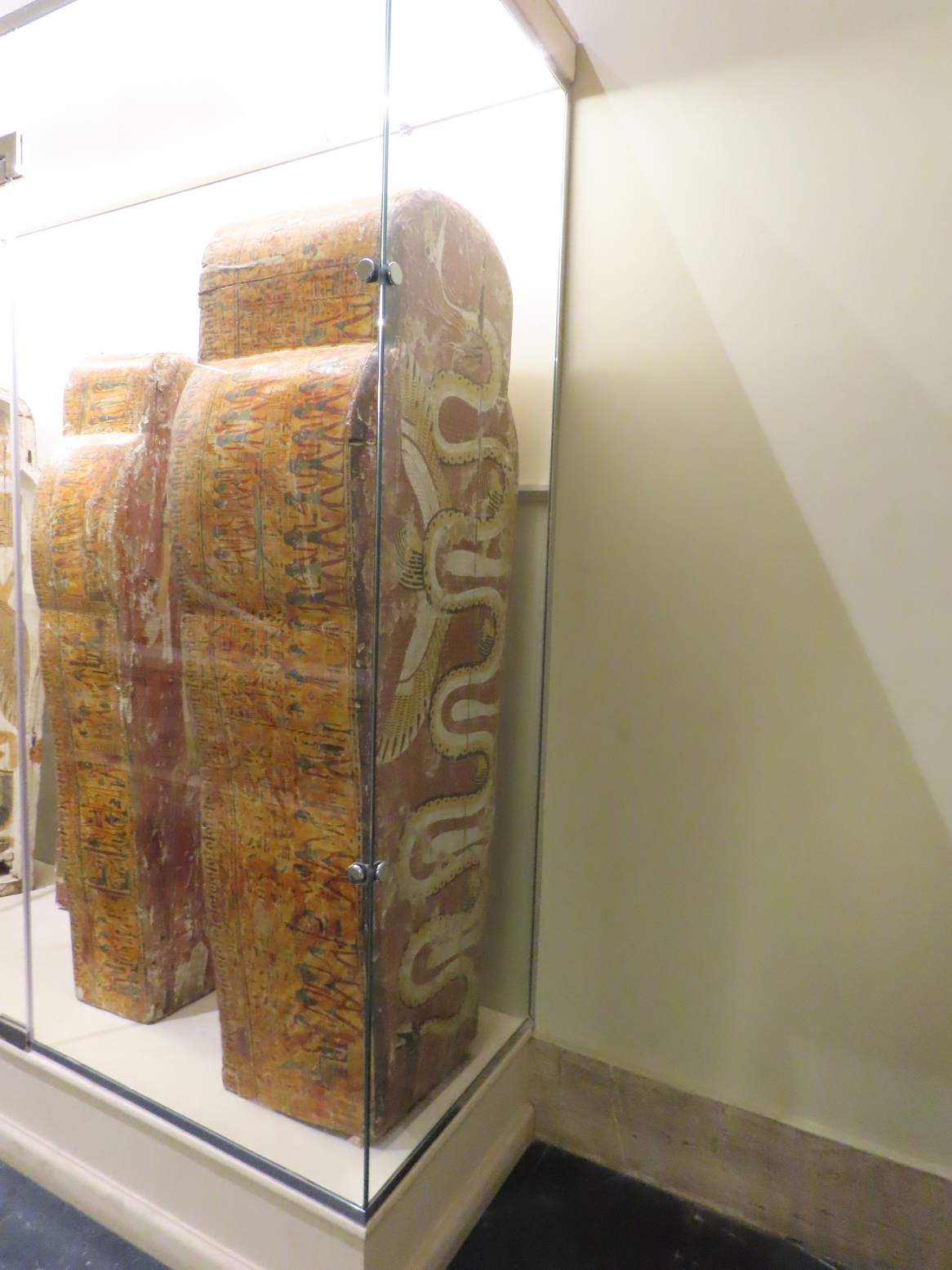
CG 61030 Nesykhonsu coffins photo VB 2015-2020-2021 024
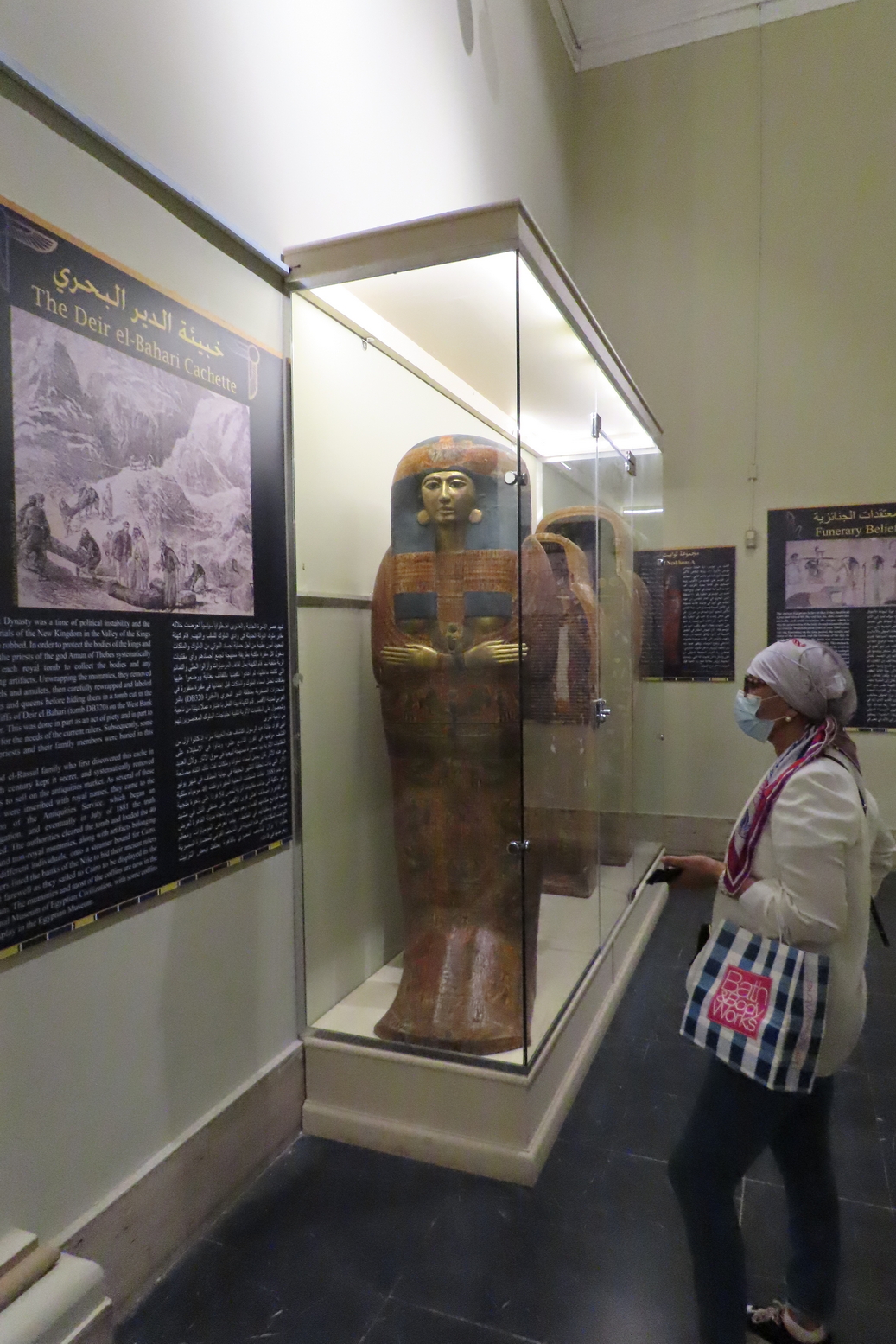
CG 61030 Nesykhonsu coffins photo VB 2015-2020-2021 025

CG 61030 Nesykhonsu coffins photo VB 2015-2020-2021 026

CG 61030 Nesykhonsu coffins photo VB 2015-2020-2021 027
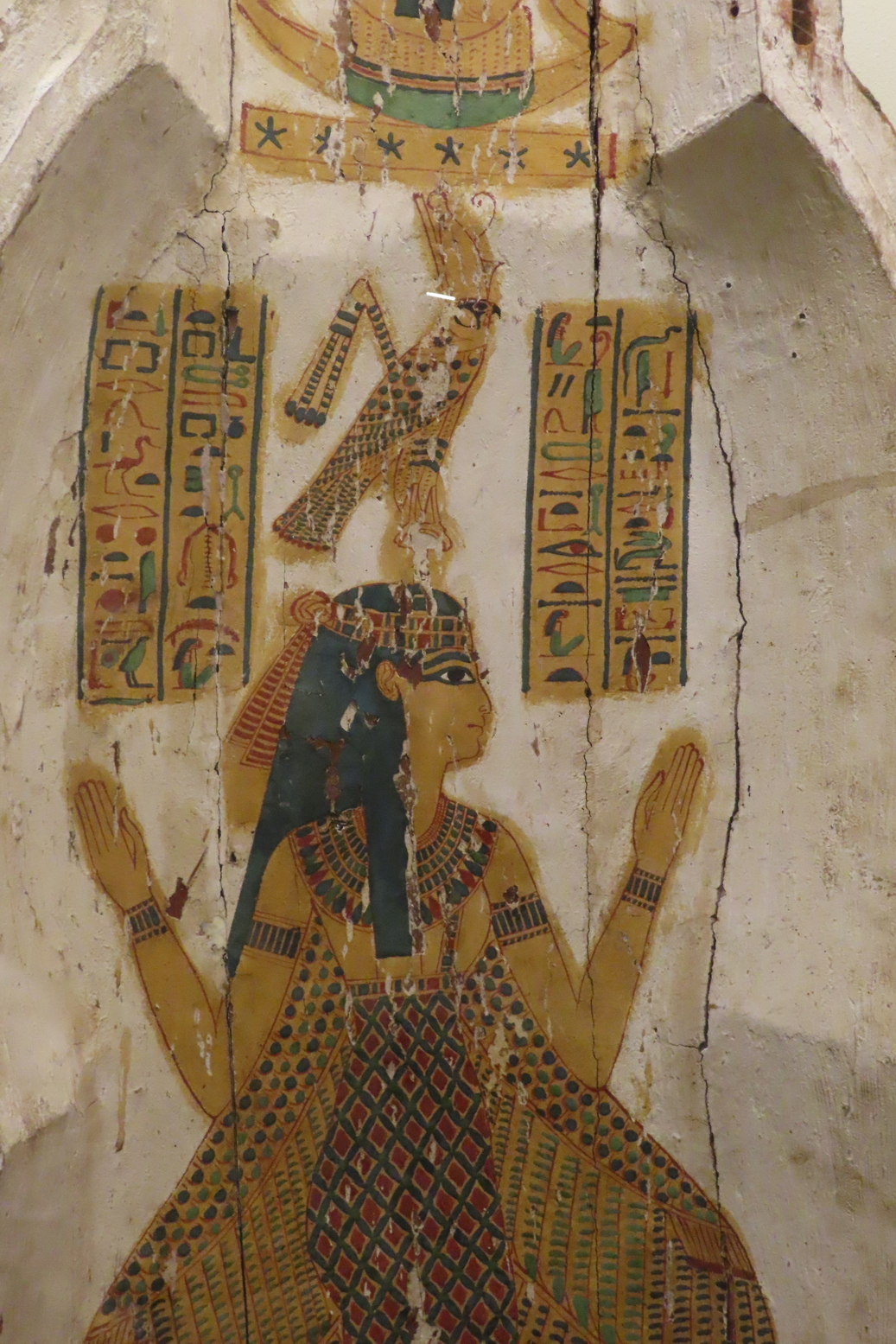
CG 61030 Nesykhonsu coffins photo VB 2015-2020-2021 028
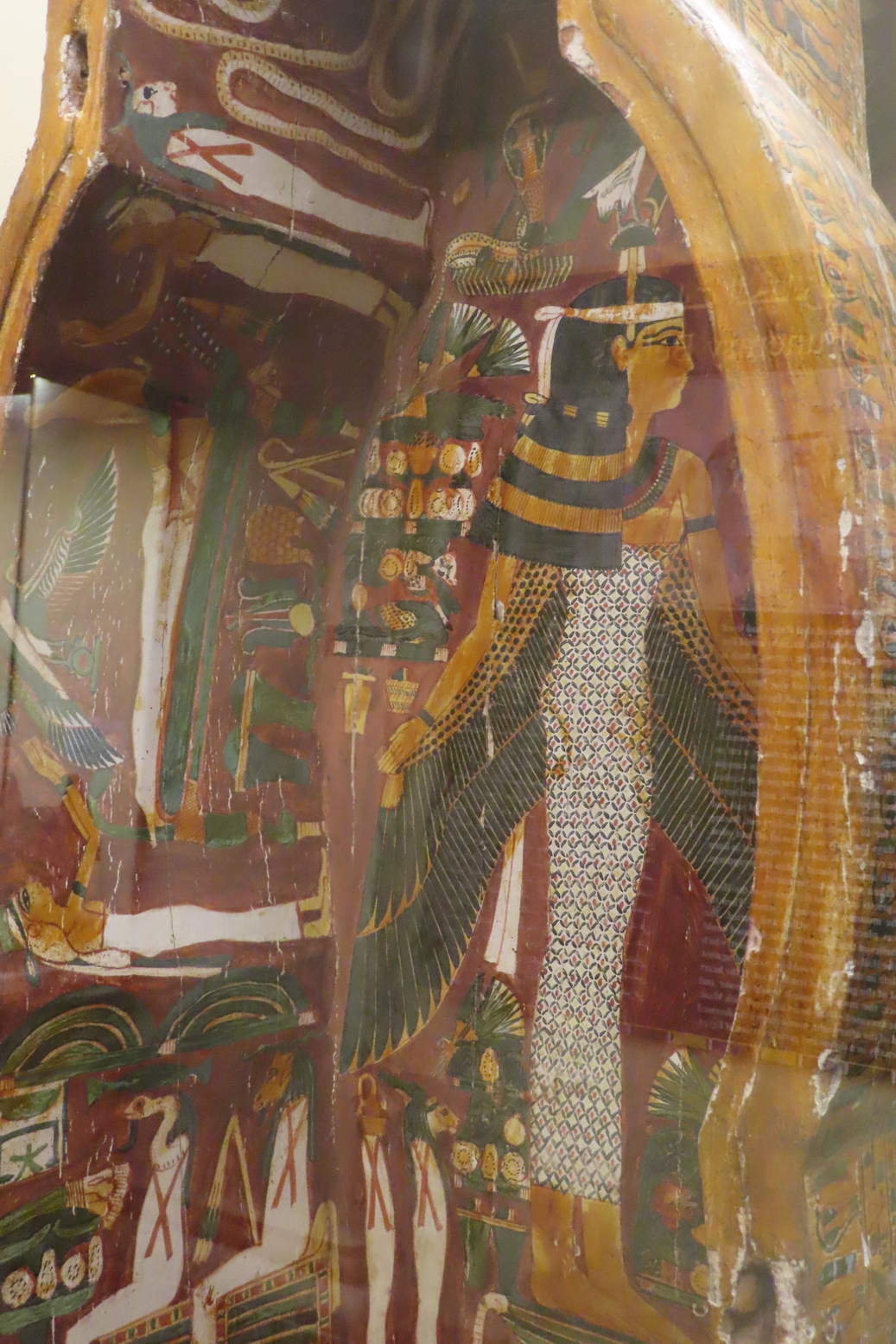
CG 61030 Nesykhonsu coffins photo VB 2015-2020-2021 029
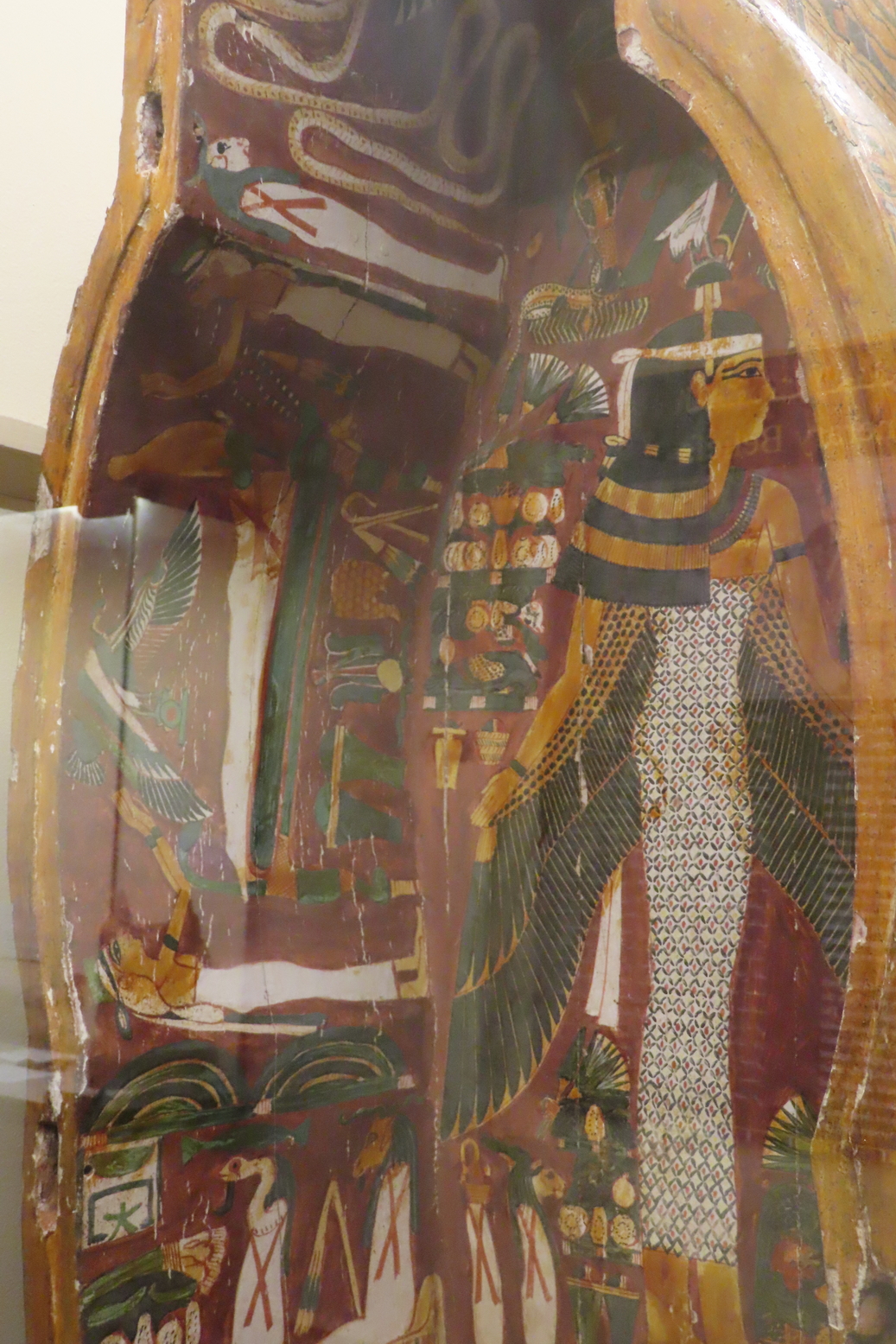
CG 61030 Nesykhonsu coffins photo VB 2015-2020-2021 030
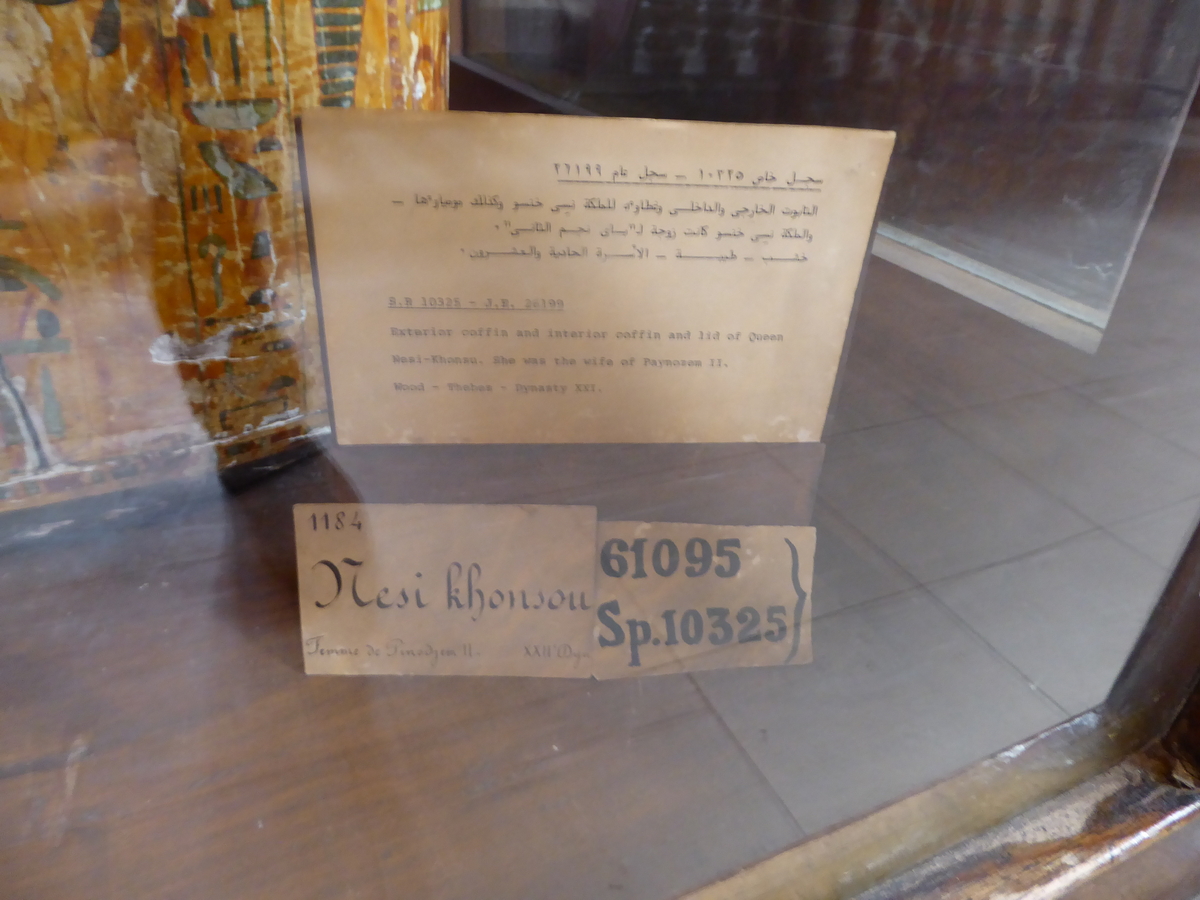
CG 61030 Nesykhonsu coffins photo VB 2015-2020-2021 031
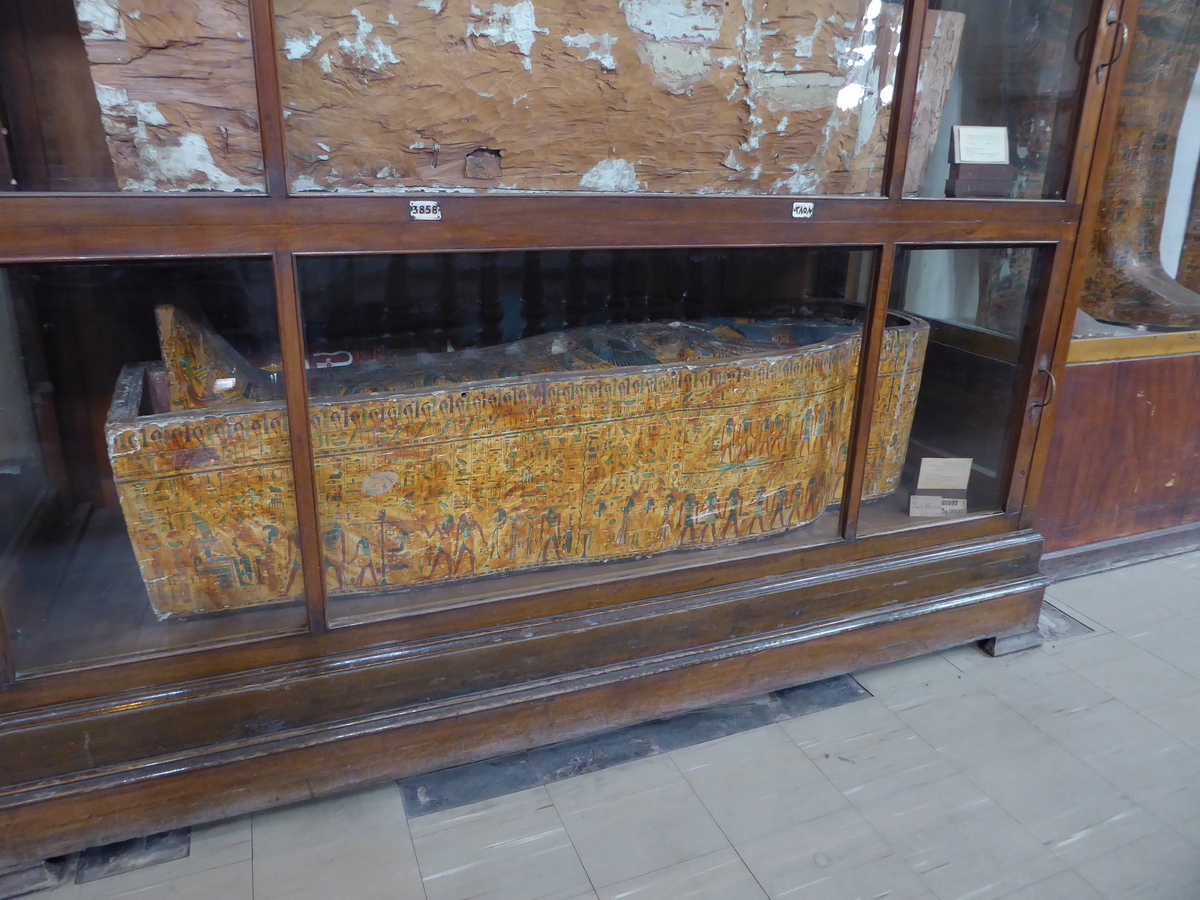
CG 61030 Nesykhonsu coffins photo VB 2015-2020-2021 032

CG 61030 Nesykhonsu coffins photo VB 2015-2020-2021 033

CG 61030 Nesykhonsu coffins photo VB 2015-2020-2021 034

CG 61030 Nesykhonsu coffins photo VB 2015-2020-2021 035
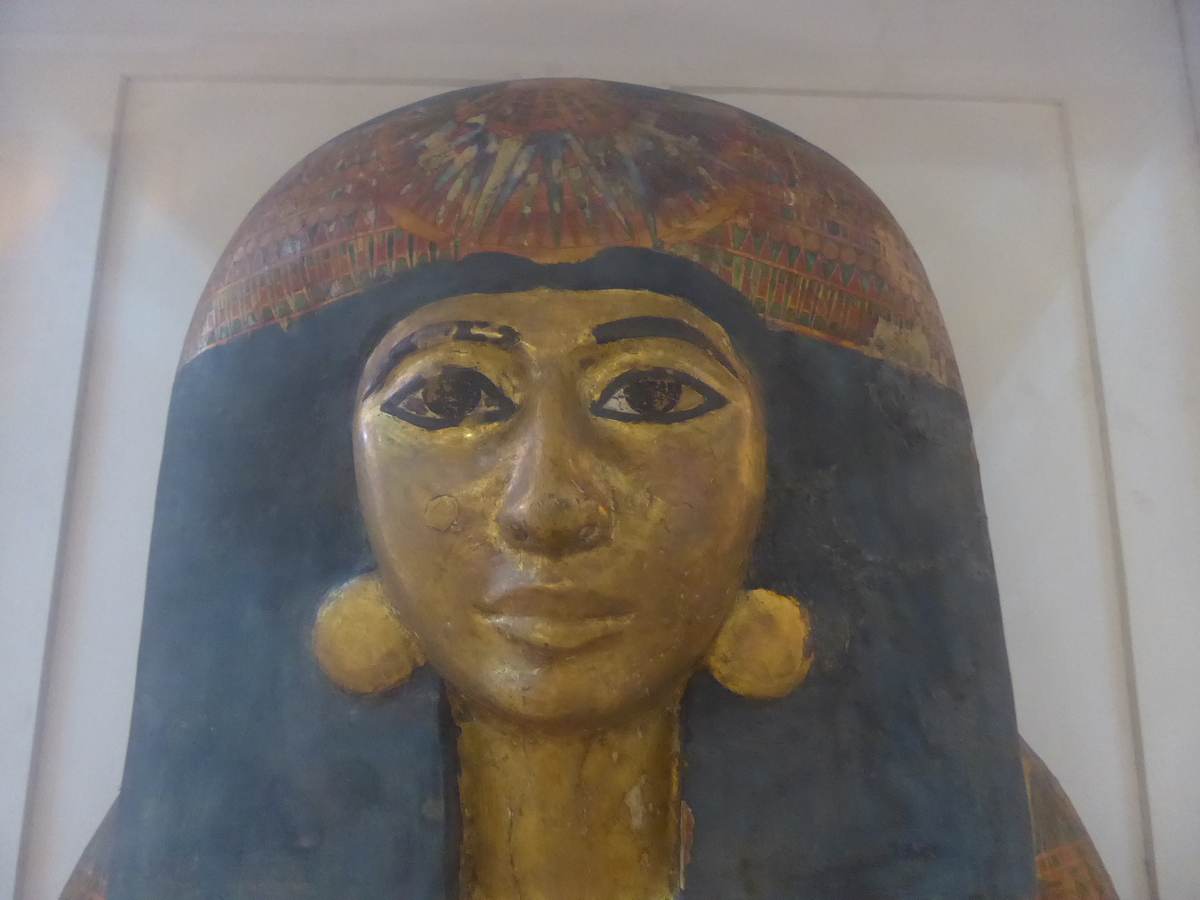
CG 61030 Nesykhonsu coffins photo VB 2015-2020-2021 036

CG 61030 Nesykhonsu coffins photo VB 2015-2020-2021 037
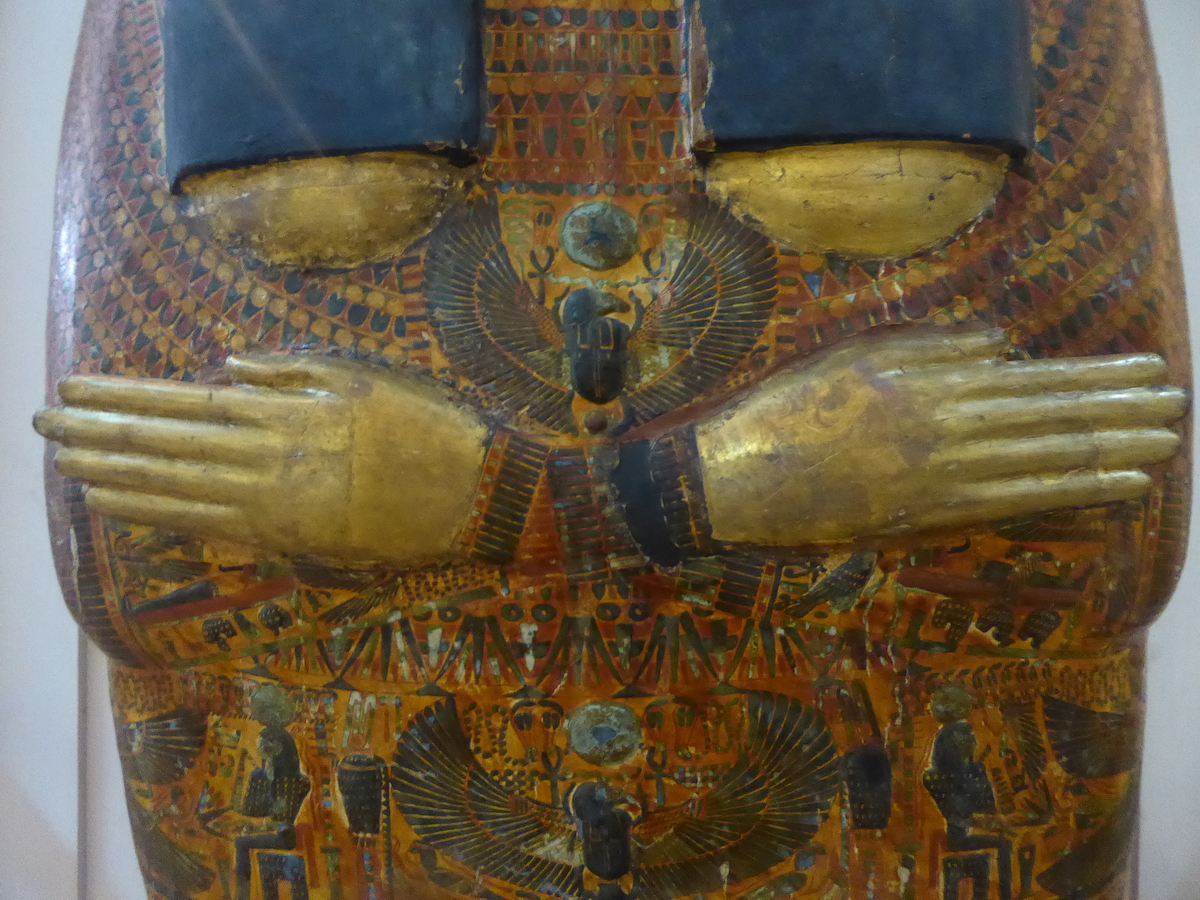
CG 61030 Nesykhonsu coffins photo VB 2015-2020-2021 038
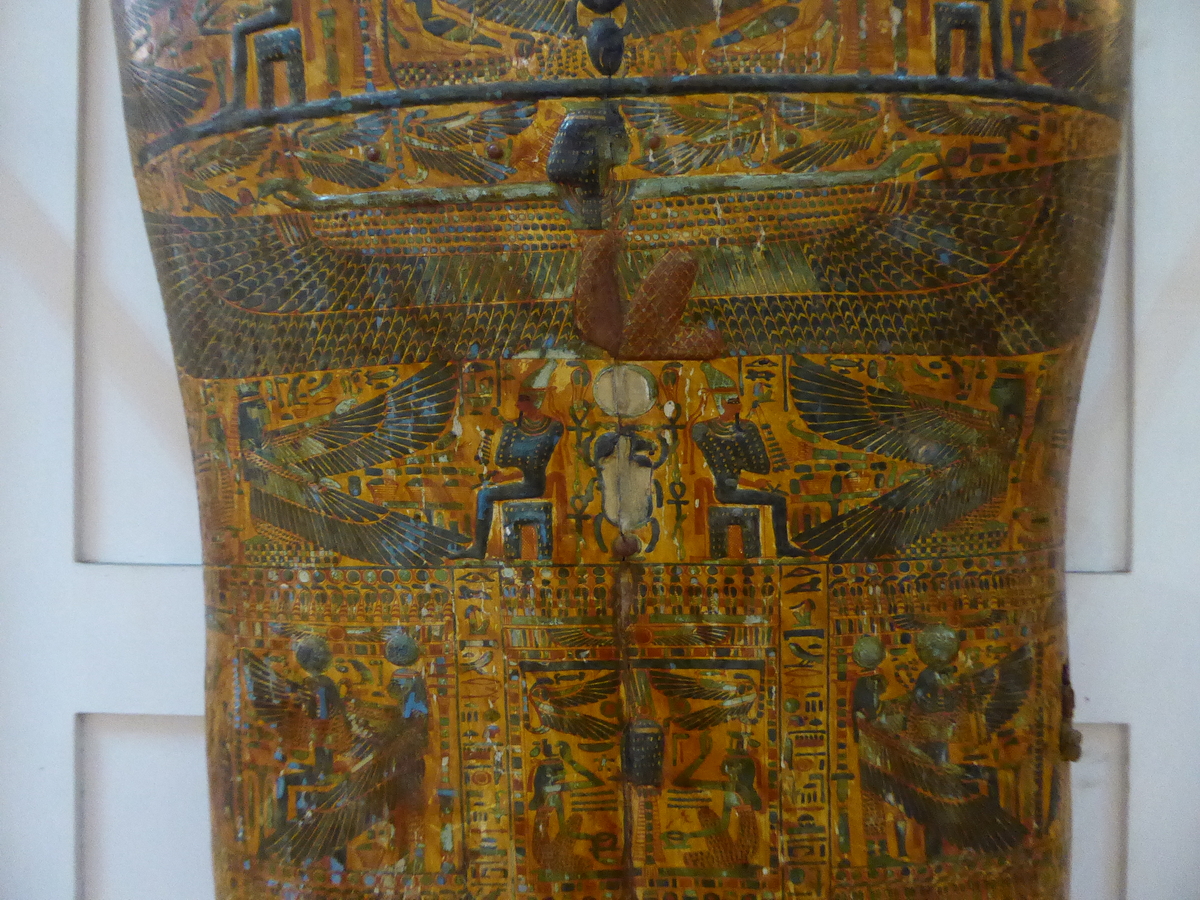
CG 61030 Nesykhonsu coffins photo VB 2015-2020-2021 039

CG 61030 Nesykhonsu coffins photo VB 2015-2020-2021 040
