
The coffins of Maatkara
The mummy of Maatkara (CG 61088) was discovered within a nested set of two coffins (JE 26200 / CG 61028), covered by a coffin board. In contrast to the intact outer coffins of Nesykhonsu A and Isiemkheb D, Maatkara’s outermost coffin exhibited minor damage: the gilded right hand was missing, and a decorative element had been removed from above the forehead, as indicated by three distinct holes in the portrait mask. The inner coffin and coffin board suffered more extensive damage; both the hands and the portrait masks had been completely removed.
This pattern of damage suggests that Maatkara’s burial may have been disturbed on two separate occasions. The first disturbance likely involved individuals—possibly members of the original burial party—who targeted only the inner coffin and coffin board for petty theft, subsequently concealing their actions beneath the intact lid of the outer coffin. At a later stage, a second group of intruders may have removed the forehead ornament and one of the gilded hands, perhaps interrupted before they could take the remaining hand and the gilded portrait mask. Alternatively, it is possible that the missing decorative elements from the outer coffin lid were lost accidentally during the transfer of Maatkara’s coffins and mummy to DB320.
Rogerio Sousa (GCSS, p. 62) draws attention to the depiction of clenched hands on Maatkara’s outer and inner coffin lids and mummy board. In the predominantly patriarchal society of ancient Egypt, clenched fists symbolized masculine power and, beginning in the 19th Dynasty, were typically reserved for coffins of high-status males. Female coffin lids generally depicted hands with fully extended fingers (see Lapp and Niwiński, AGS, 54f). Sousa interprets the clenched hands on Maatkara’s coffins as “a bold statement of social status” (GCSS, ibid.).
Sousa also notes other features that reflect Maatkaae’s elevated social position. The finely braided hair on the wig is unusual for “yellow” 21st Dynasty coffins and is only found in burials of the highest status. The vulture headdress framing Maatkara’s face is another distinctive status symbol. Sousa suggests that the three holes visible on the headband above the forehead once held a golden vulture’s head flanked by two uraeus serpents. This type of ornament, which became more common on stola coffins later in the 21st Dynasty, would have been reserved for individuals of exceptional importance in Maatkara’s time. A similar vulture headdress may also have been depicted on the inner coffin lid of Maatkara’s mother, Henuttawy A, though extensive damage makes this uncertain.
Source bibliography: AGS, 54f; CCR, 82ff.; DRN, 201, 207, 213; GCSS, 50, n. 280; 51, 53f., n. 321; 62. Abbreviations
Source 2025-07: Edited from a now-defunct page of The Theban Royal Mummy Project via Wayback Machine
Source url: http://anubis4_2000.tripod.com/mummypages1/MaatkareCoffinCESRAS.htm
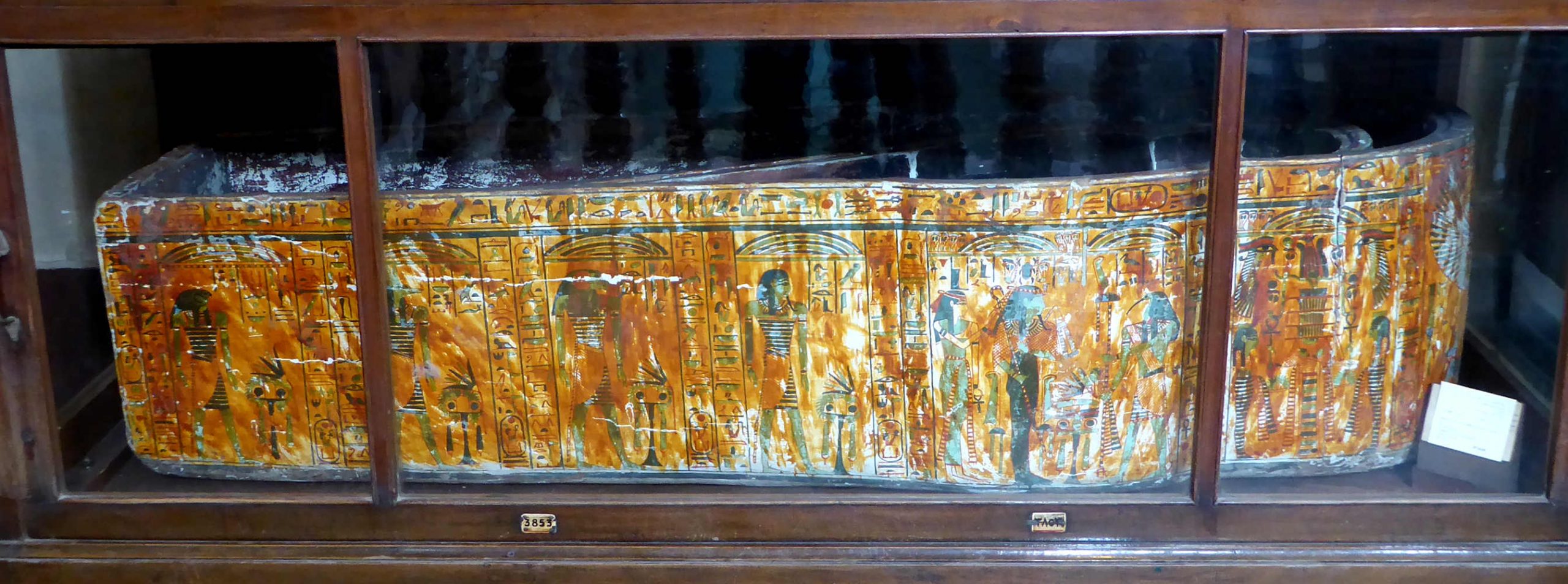
Exterior and interior coffin Maatkara. Cairo Museum JE 26200 / CG 61028 / SR 19377. Photo: VB 2015

CG 61028
Maatkara’s outer and inner coffin lids from Georges Daressy’s Cercueils des cachettes royales, Cairo, 1909

Maatkara’s inner coffin and her coffin board from Georges Daressy’s Cercueils des cachettes royales, Cairo, 1909
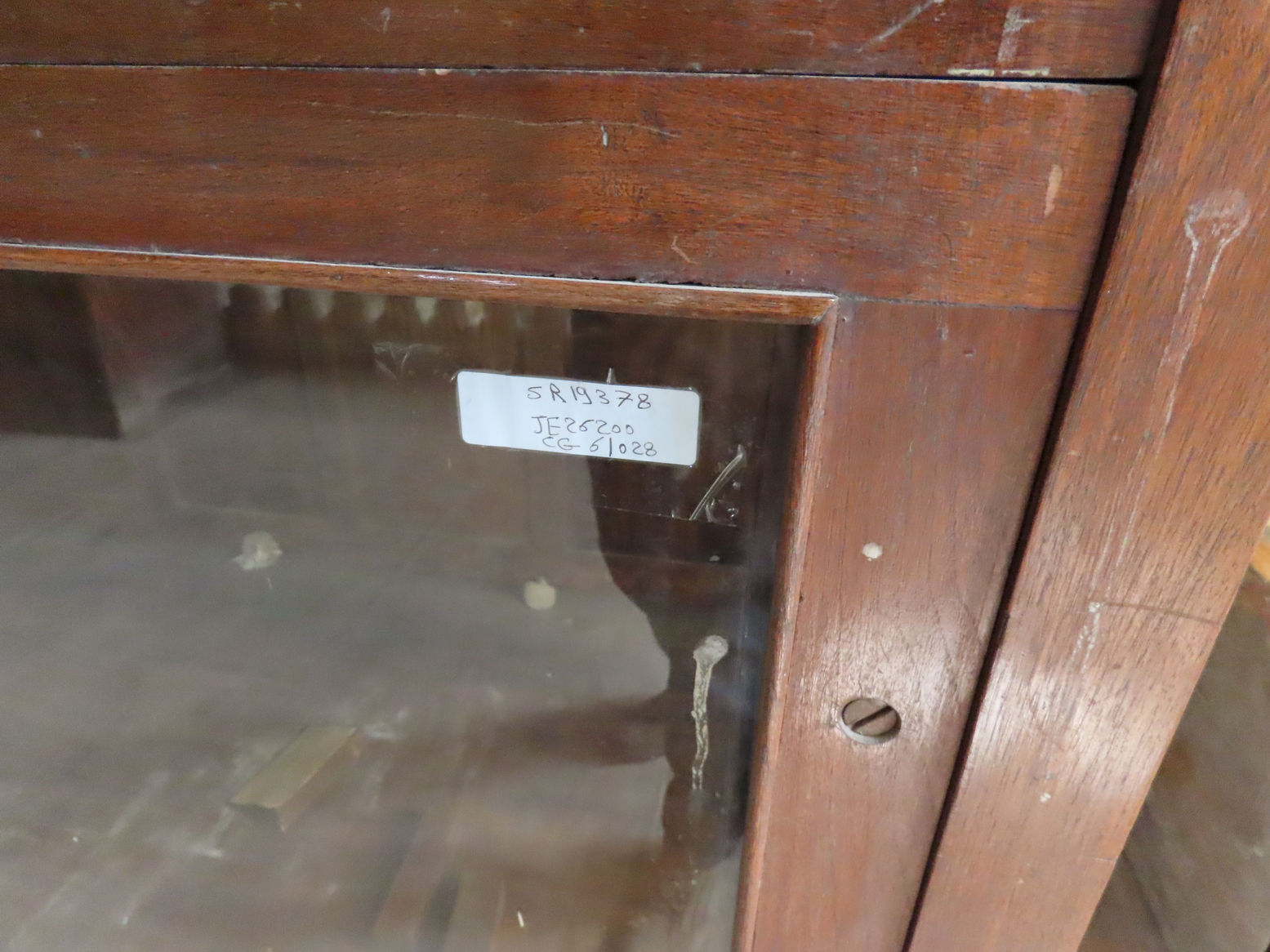
CG 61028 Maatkara coffins photo VB 2015 001
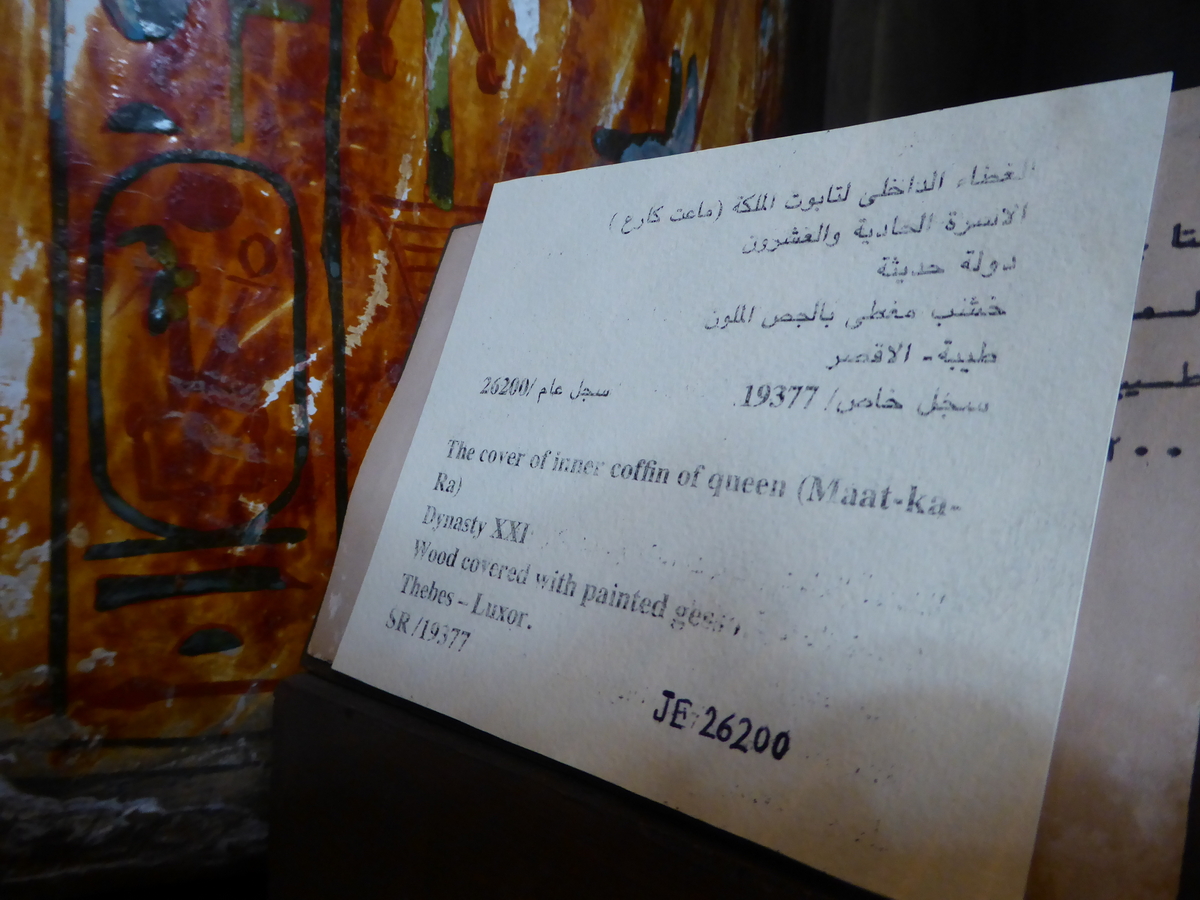
CG 61028 Maatkara coffins photo VB 2015 002
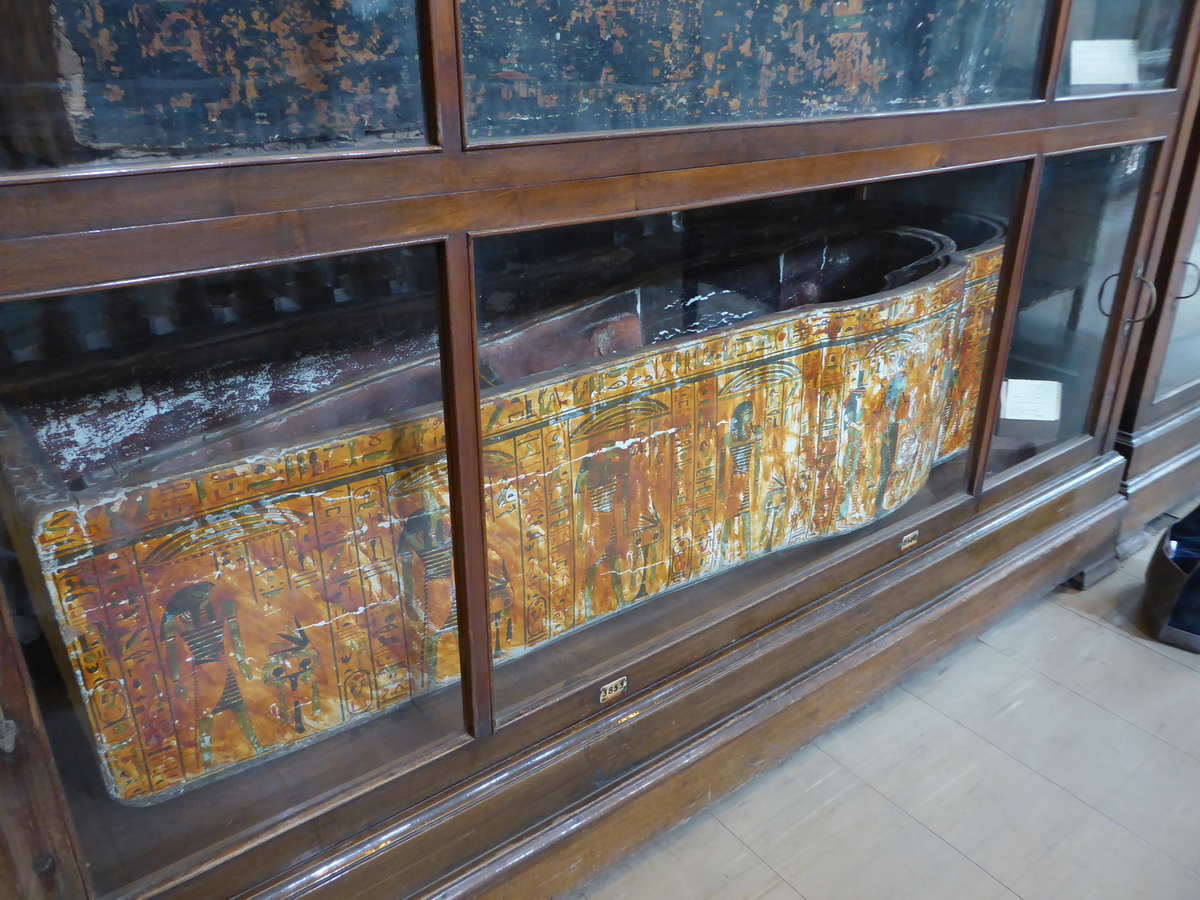
CG 61028 Maatkara coffins photo VB 2015 003
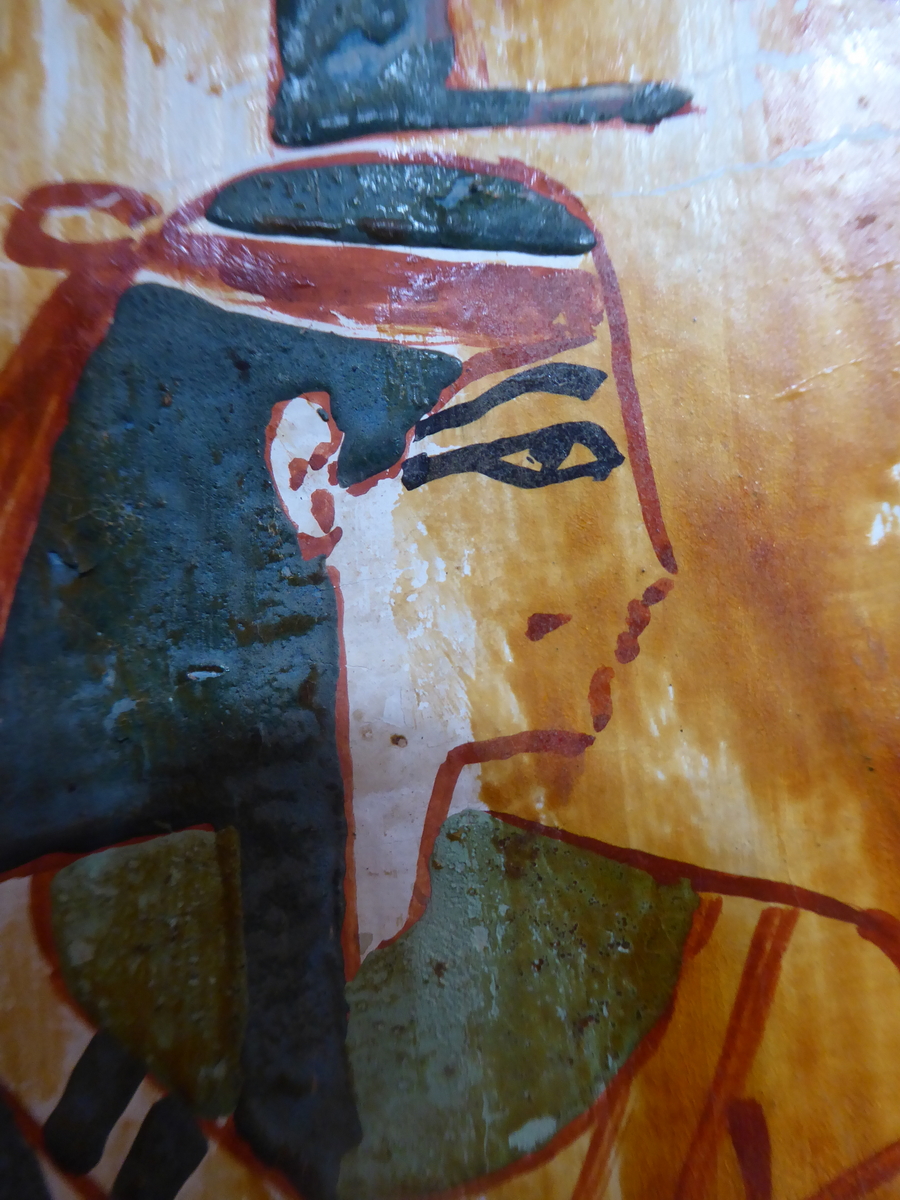
CG 61028 Maatkara coffins photo VB 2015 004
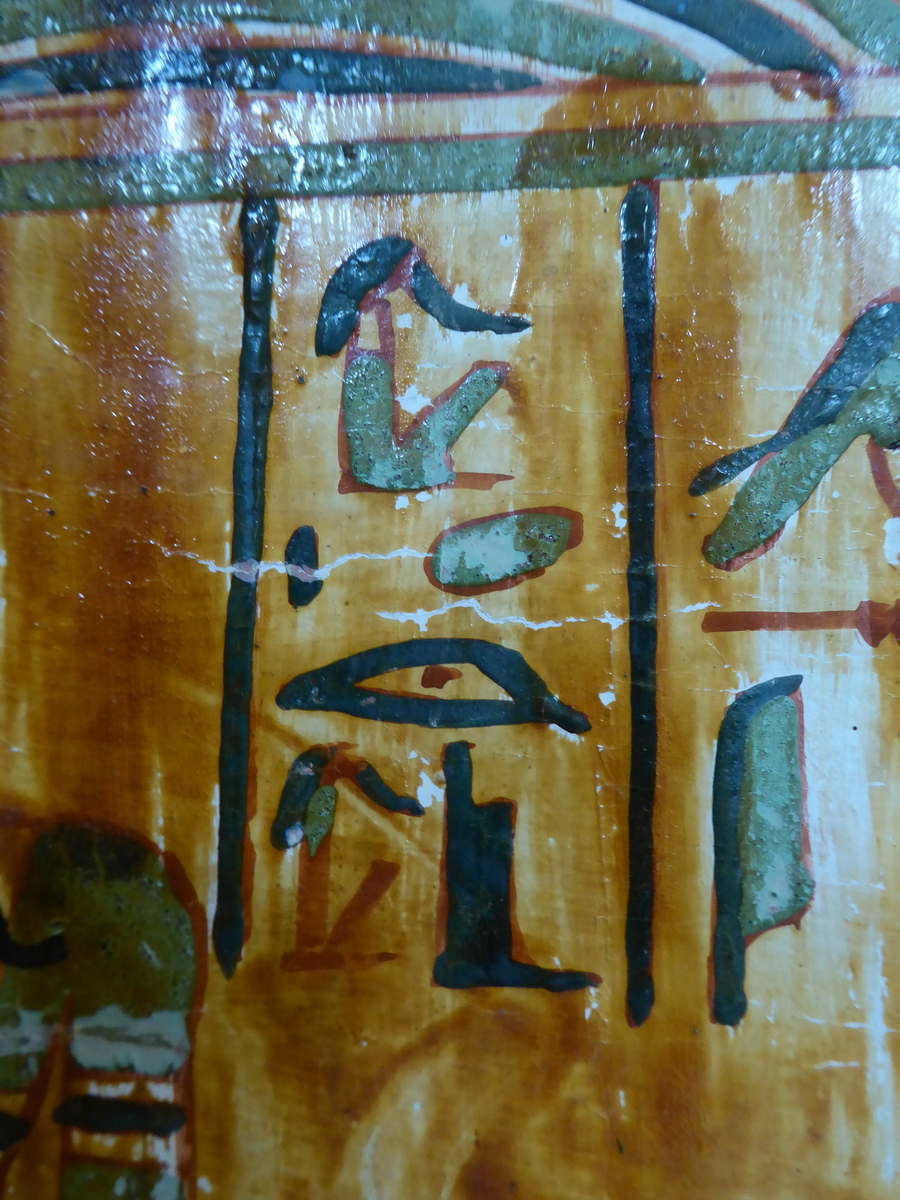
CG 61028 Maatkara coffins photo VB 2015 005
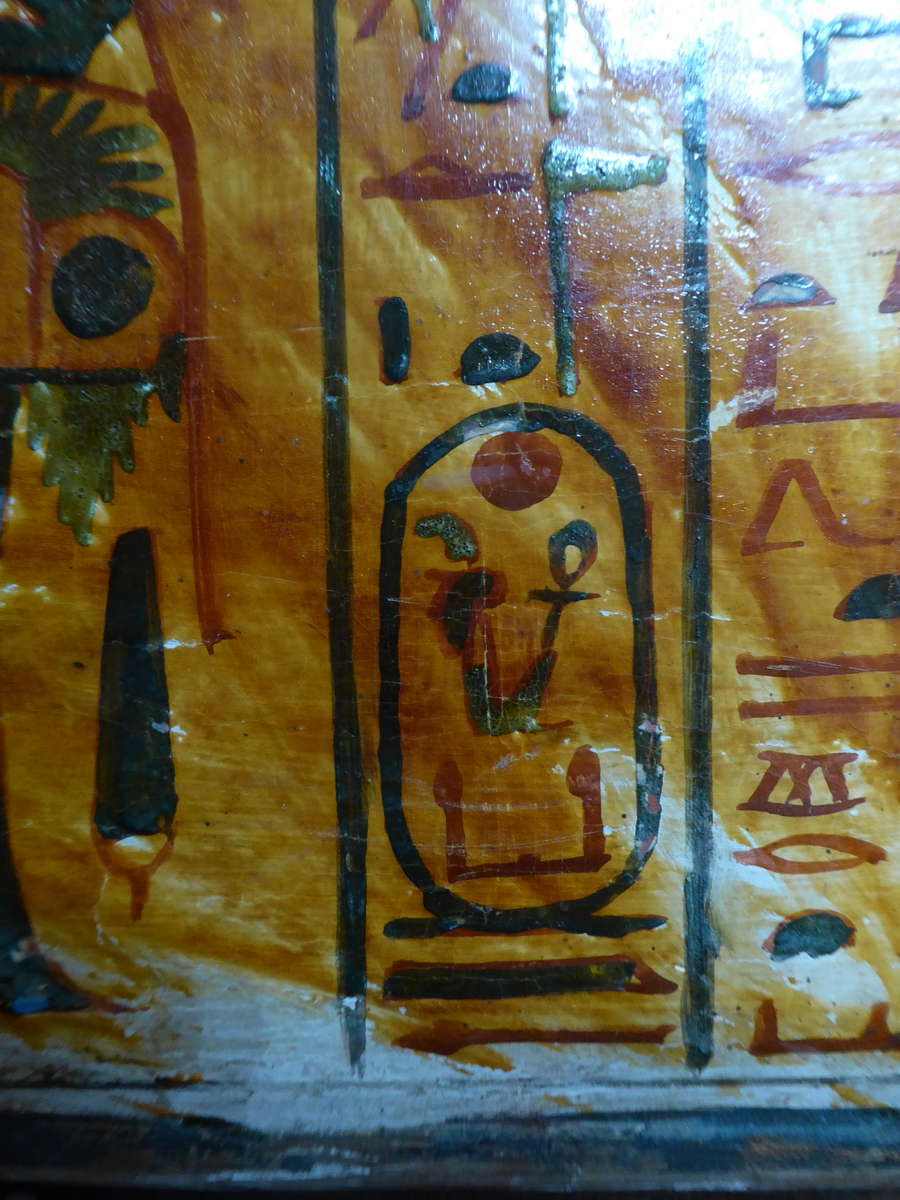
CG 61028 Maatkara coffins photo VB 2015 006

CG 61028 Maatkara coffins photo VB 2015 007
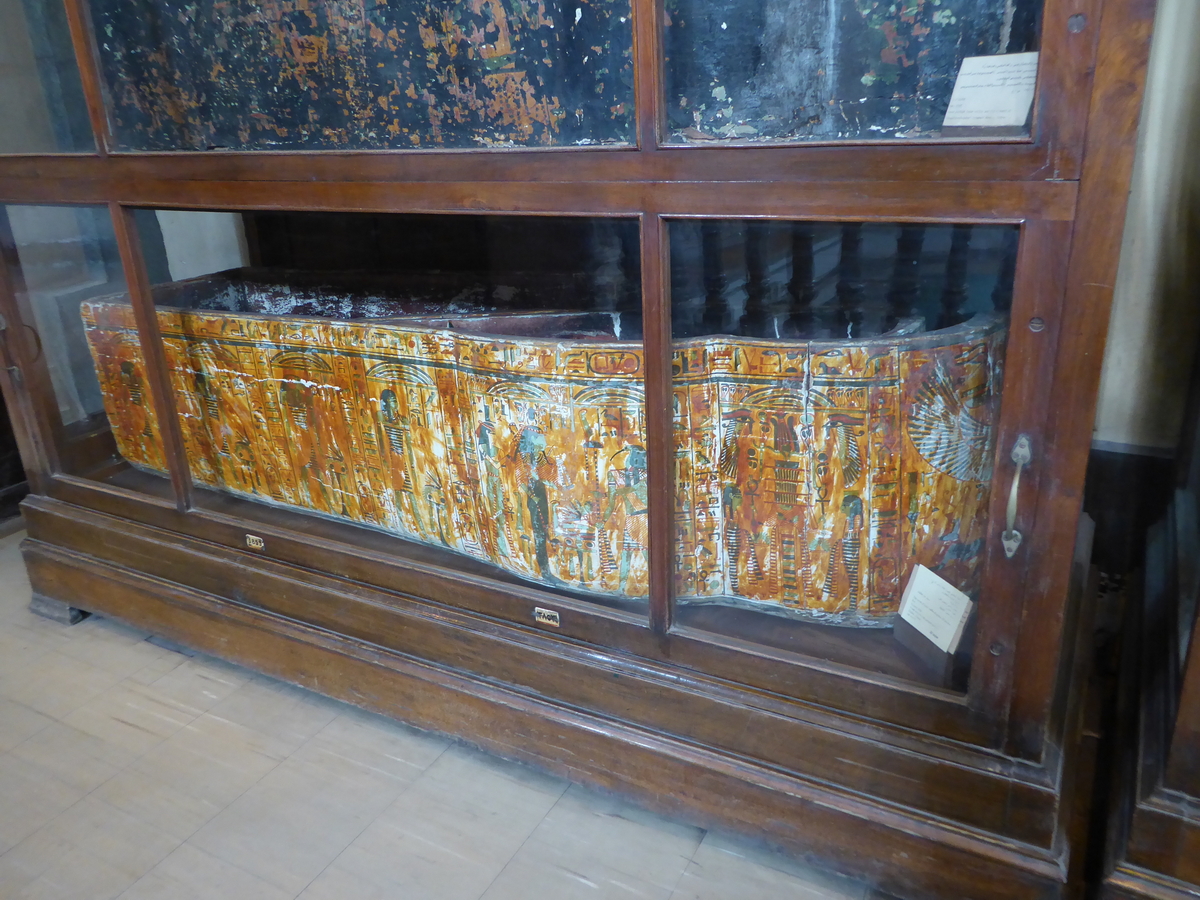
CG 61028 Maatkara coffins photo VB 2015 008

CG 61028 Maatkara coffins photo VB 2015 009

CG 61028 Maatkara coffins photo VB 2015 010
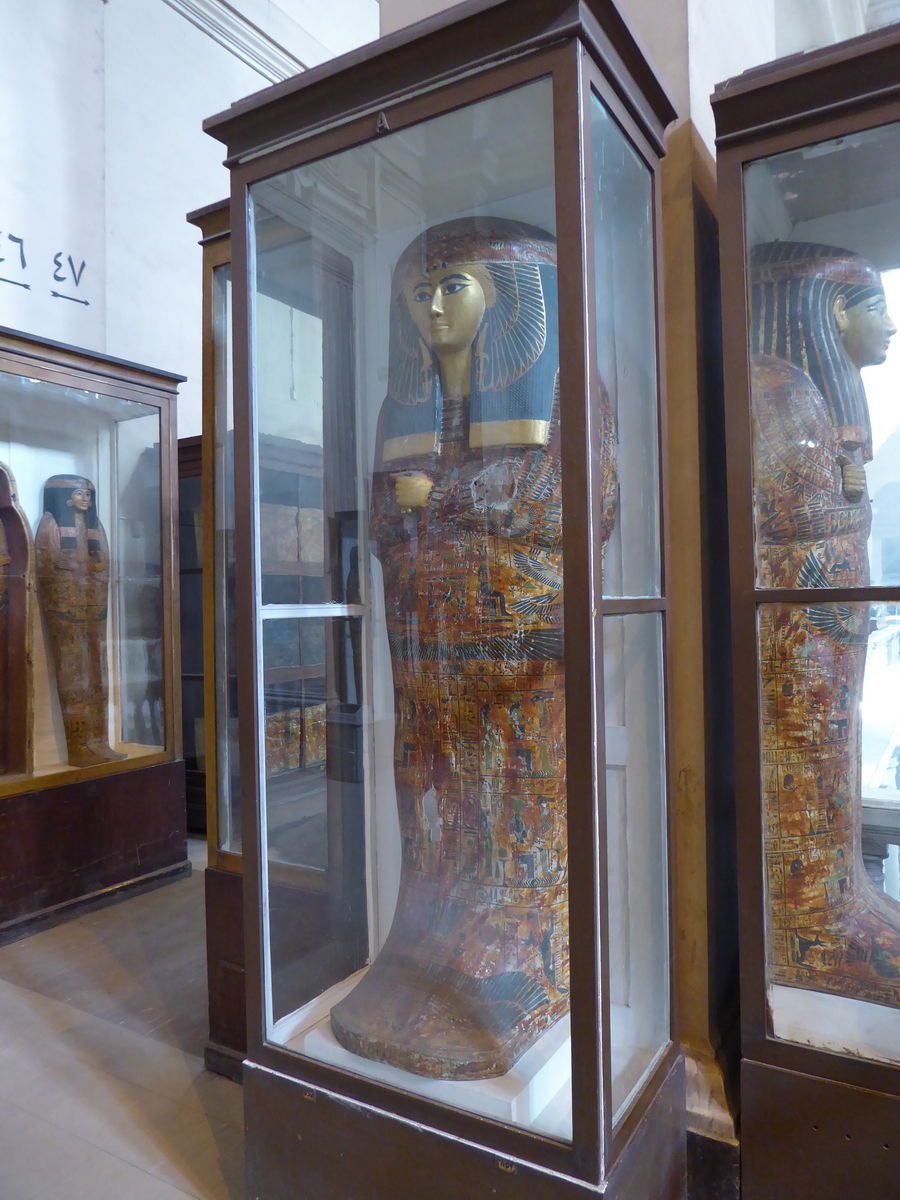
CG 61028 Maatkara coffins photo VB 2015 011
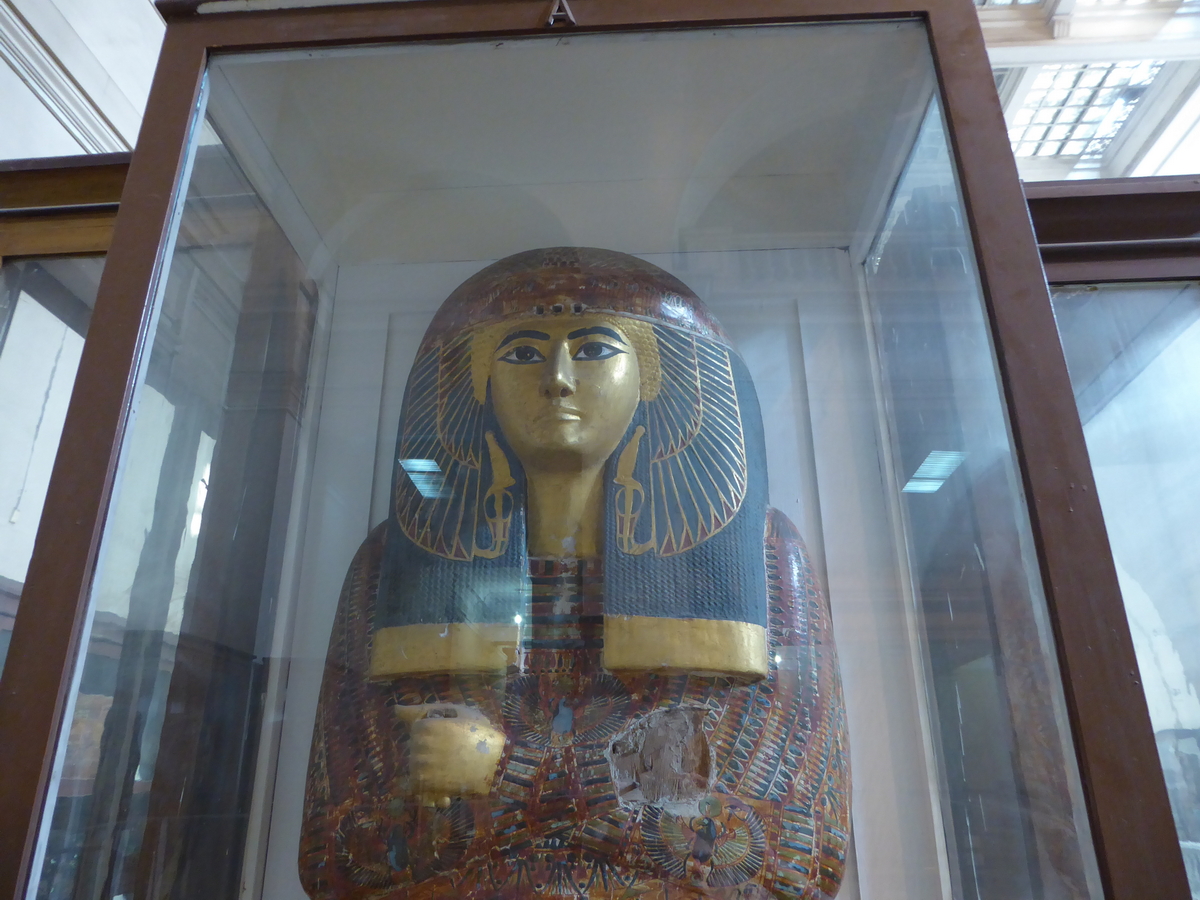
CG 61028 Maatkara coffins photo VB 2015 012
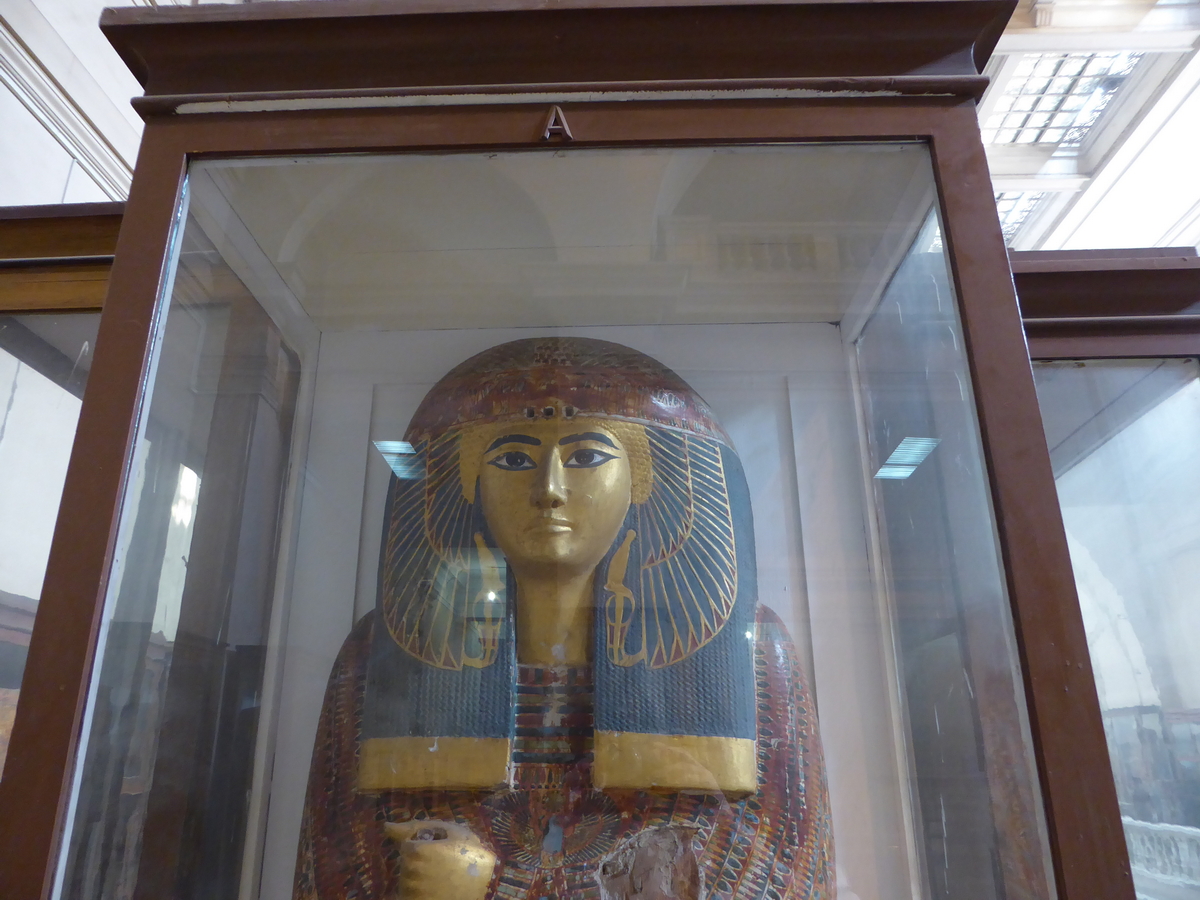
CG 61028 Maatkara coffins photo VB 2015 013
