
The coffins of Masaharta
Masaharta’s mummy (CG 61092) was discovered within his original set of coffins (JE 26195 / CG 61027). The outer coffin is largely intact, with only the right gilded hand missing. The portrait mask shows a small hole at the chin, possibly where a false beard was once attached. In contrast to the relatively well-preserved outer coffin, both the inner coffin and the mummy board suffered more extensive damage: their portrait masks and both sets of hands had been removed. Based on this clear pattern of theft, Reeves suggests that DB320 was not Masaharta’s original burial place. Similar damage is observable on the coffins of Maatkara, Nesykhonsu, and Isetemkheb D.
Typically, where such targeted removal of valuable elements from inner coffins is seen, the culprits are thought to have been members of the burial team. By concealing their theft of gold and other ornaments beneath a pristine outer coffin, they could pilfer valuable fittings with relative impunity. The missing right hand from the outer coffin, however, may not necessarily reflect theft; it could have been accidentally detached during the rough handling associated with moving Masaharta’s mummy and coffins from their original burial location to DB320. Reports on the handling of coffin materials during the discovery and transfer to Cairo note that damage and loss often resulted from inadequate care during removal and transport, supporting this possibility.
The gilded hands on coffins from the 21st Dynasty, such as Masaharta’s, were not carved in relief but crafted separately and then attached, a technique that persisted into the 22nd Dynasty. Rogerio Sousa has pointed out that this method may have been unreliable, as non-gilded hands (of no value to thieves) are also frequently missing from coffins of the period, suggesting a design prone to accidental detachment.
Source Bibliography: CCR, p, 66ff., pls, XXXVI, XXXVII, XXXVIII; DRN, p. 213, no. 20, p. 256; FP, pp. 200-203; GCSS, 61, n. 331; MiAE, p. 329-330.
Original Burial: Unknown.
Reburial: In DB 320 (in end chamber “F”). Reeves conjectures that Masaharta’s mummy was placed in DB 320 before year 11 of Shoshenq I, the time at which which the Inhapi group of mummies was transferred to this tomb. Since his mummy was plundered, unlike the mummies of the Pinudjem II group, Reeves thinks it unlikely that DB 320 was the original burial place of Masaharta. Source: DRN, 256.
Source 2025-07: Edited from a now-defunct page of The Theban Royal Mummy Project via Wayback Machine
Source url: http://anubis4_2000.tripod.com/mummypages1/DB320Coffins/MasahartasCoffins.htm

Outer coffin of Masaharta Cairo Museum JE 26195 / CG 61027
Photo: VB 2015

CG 61027
Masaharta’s outer and inner coffin lids from Georges Daressy’s Cercueils des cachettes royales, Cairo, 1909

Masaharta’s outer coffin
Photo: Heidi Kontkanen

Masaharta(on the right) in front of Osiris, Isis and Nephthys
Outside inner coffin Mummification Museum JE 26195, Luxor
Photo: VB 2017

CG 61027 Masaharta coffins photo VB 2015 001

CG 61027 Masaharta coffins photo VB 2015 002

CG 61027 Masaharta coffins photo VB 2015 003

CG 61027 Masaharta coffins photo VB 2015 004

CG 61027 Masaharta coffins photo VB 2015 005

CG 61027 Masaharta coffins photo VB 2015 006

CG 61027 Masaharta coffins photo VB 2015 007

CG 61027 Masaharta coffins photo VB 2015 008

CG 61027 Masaharta coffins photo VB 2015 009

CG 61027 Masaharta coffins photo VB 2015 010

CG 61027 Masaharta coffins photo VB 2015 011

CG 61027 Masaharta coffins photo VB 2015 012

CG 61027 Masaharta coffins photo VB 2015 013
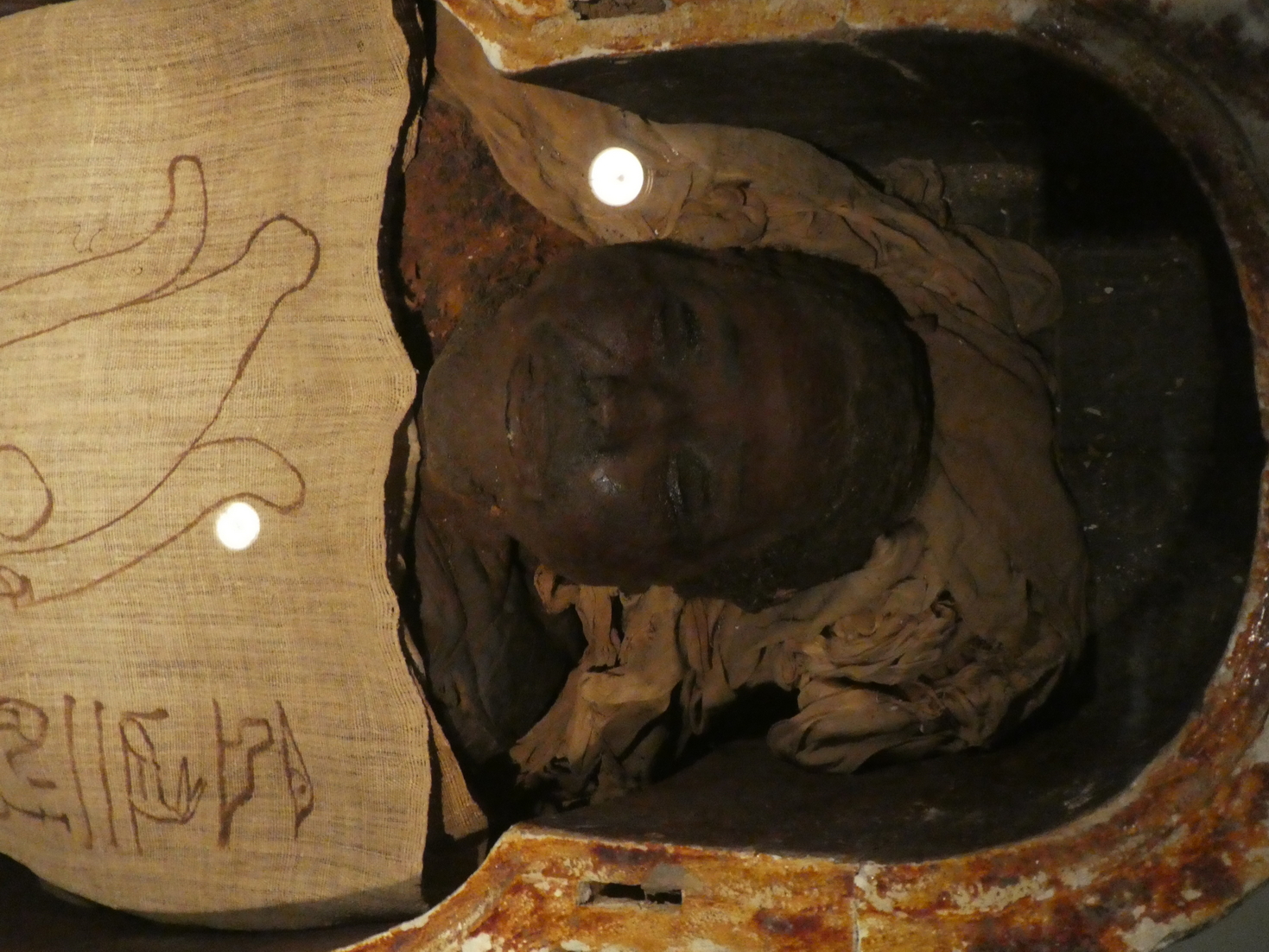
CG 61027 Masaharta coffins photo VB 2015 014

CG 61027 Masaharta coffins photo VB 2015 015

CG 61027 Masaharta coffins photo VB 2015 016

CG 61027 Masaharta coffins photo VB 2015 017

CG 61027 Masaharta coffins photo VB 2015 018

CG 61027 Masaharta coffins photo VB 2015 019

CG 61027 Masaharta coffins photo VB 2015 020

CG 61027 Masaharta coffins photo VB 2015 021
