
The coffins of Tayuheret
The coffins (CG 61032) containing the mummy of Tayuheret (CG 61091), thought to have been the wife of Masaharta, were originally made for a Chantress of Amun named Hatet. They were expediently modified for Tayuheret’s use by simply inscribing her name over that of the previous owner. See photo below.
Edward Loring observes that various spellings were employed, as if those responsible for the reinscription were uncertain about the correct spelling, and he describes their work as “crude.”
The coffins and the coffin board had suffered significant damage: their gilded face masks, hands, and gilded wig lappets were all roughly hacked off with an adze, while the foot end and headpiece of the coffin board had also been broken away. This is typically indicative of plundering.
However, the relatively intact condition of Tayuheret’s mummy argues against such an event. G. E. Smith noted that insects had damaged the skin on Tayuheret’s face, and it is conceivable that insects also attacked the wood of her coffin board, thus making it fragile and more susceptible to breakage.
The other damages to the coffins may be interpreted as the result of rough handling by necropolis officials. Both Reeves and Loring agree that Tayuheret was not originally buried in DB 320. Reeves suggests that she was first interred with Masaharta, her presumed husband. Loring, however, disagrees, arguing that the damage to Tayuheret’s funerary equipment is significantly more extensive than that on Masaharta’s, indicating she was probably buried separately in her own, as yet unidentified, tomb prior to her reburial in DB 320.
Despite the heavy damage, the coffins and coffin board of Tayuheret retain interesting stylistic features. Given the improvised manner in which Tayuheret’s name was added, it is likely that these stylistic elements are original to the coffins and coffin board and were not later additions.
The hair of the wigs is shown as finely braided, a style found only on the coffins of the highest status individuals. A winged goddess, probably Nut, appears on the central panels of both coffin lids and on the coffin board, while the foot board of the outer coffin is decorated with an Anubis jackal motif. Rogerio Sousa draws attention to the lower part of the coffin board, noting that its decorative central partition is highly unusual for this period. The vignettes on the panels of the central partition depict scarabs, Ba birds, and wedjat eyes, following the same general scheme used for the central partition decoration on the lids of the outer and inner coffins.
Source Bibliography: CCR, 171ff., Pls. LIV, LVII; DRN, 214, no. 39; 256; GCSS, 50, n. 280; 133, n. 676; 158, n. 313; RM, 105; TRC, 67f.
Source 2025-07: Edited from a now-defunct page of The Theban Royal Mummy Project via Wayback Machine
Source url: http://anubis4_2000.tripod.com/mummypages1/DB320Coffins/TayuheretCoffin.html
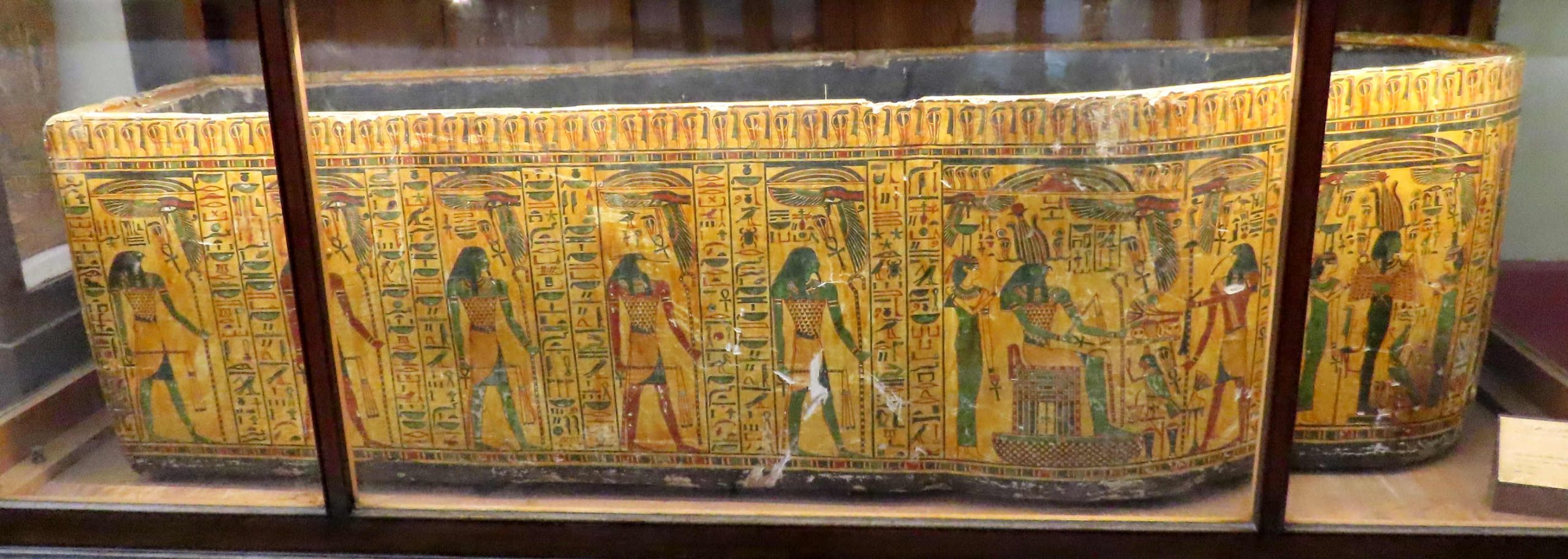
Exterior and interior coffin Maatkara. Cairo Museum JE 26200 / CG 61028 / SR 19377
Photo: VB 2015
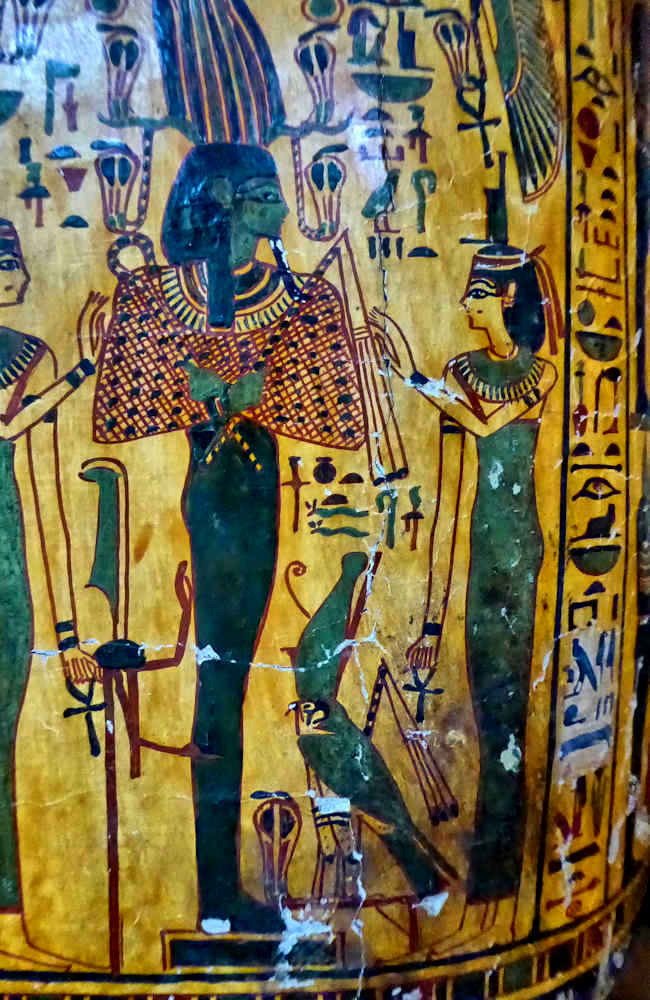
In the column on the right (white background) the name of Hatet is erased and replaced by the name of Tayuheret. Cairo Museum CG 61032, JE 26196
Photo: VB 2015
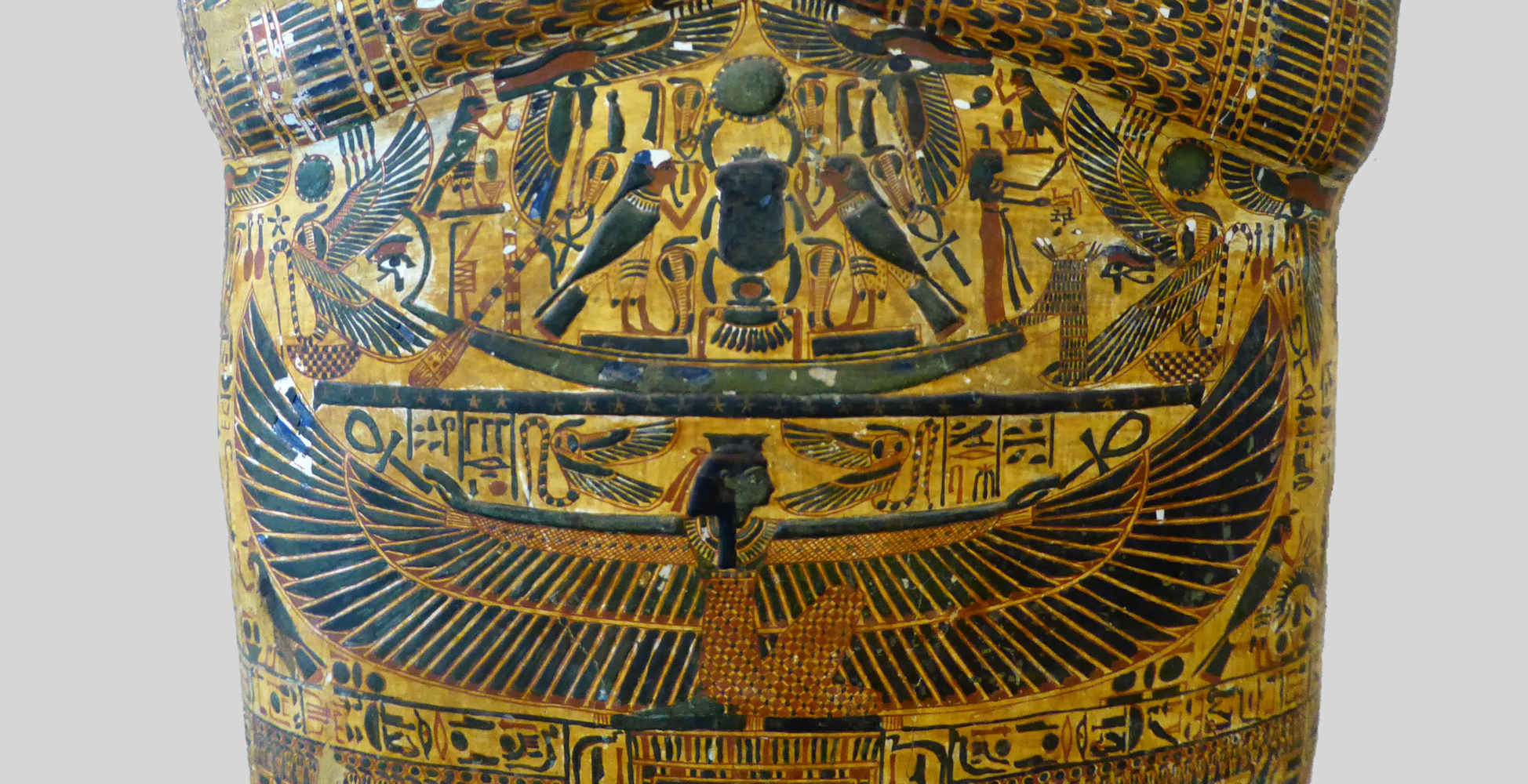
Detail outer coffin lid of Tayuheret
Cairo Museum CG 61032, JE 26196
Photo: VB 2015
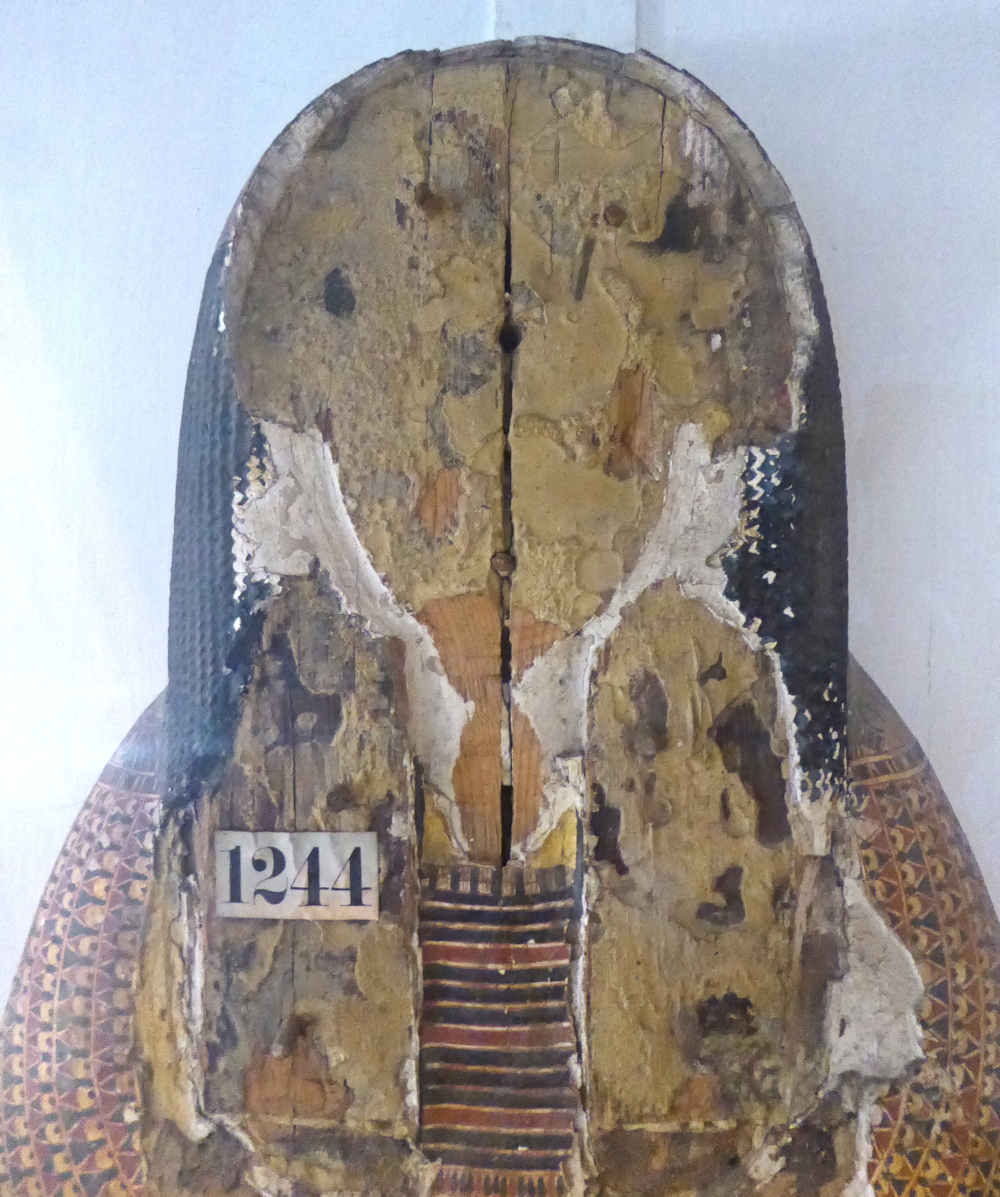
Detail Tayuheret outer coffin CG 61032
Photo: VB 2015
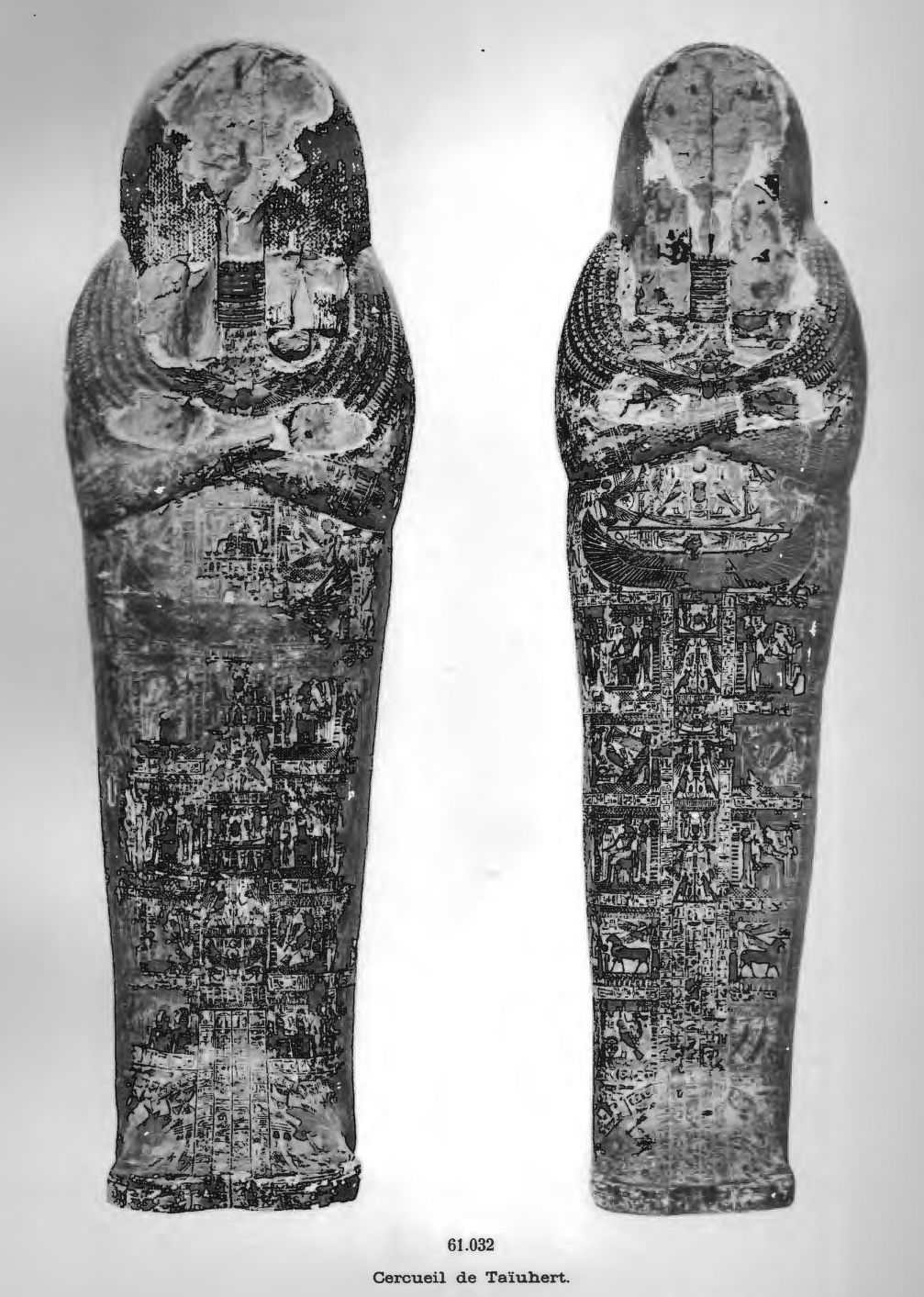
CG 61032
Tayuheret’s outer and inner coffin lids from Georges Daressy’s Cercueils des cachettes royales, Cairo, 1909
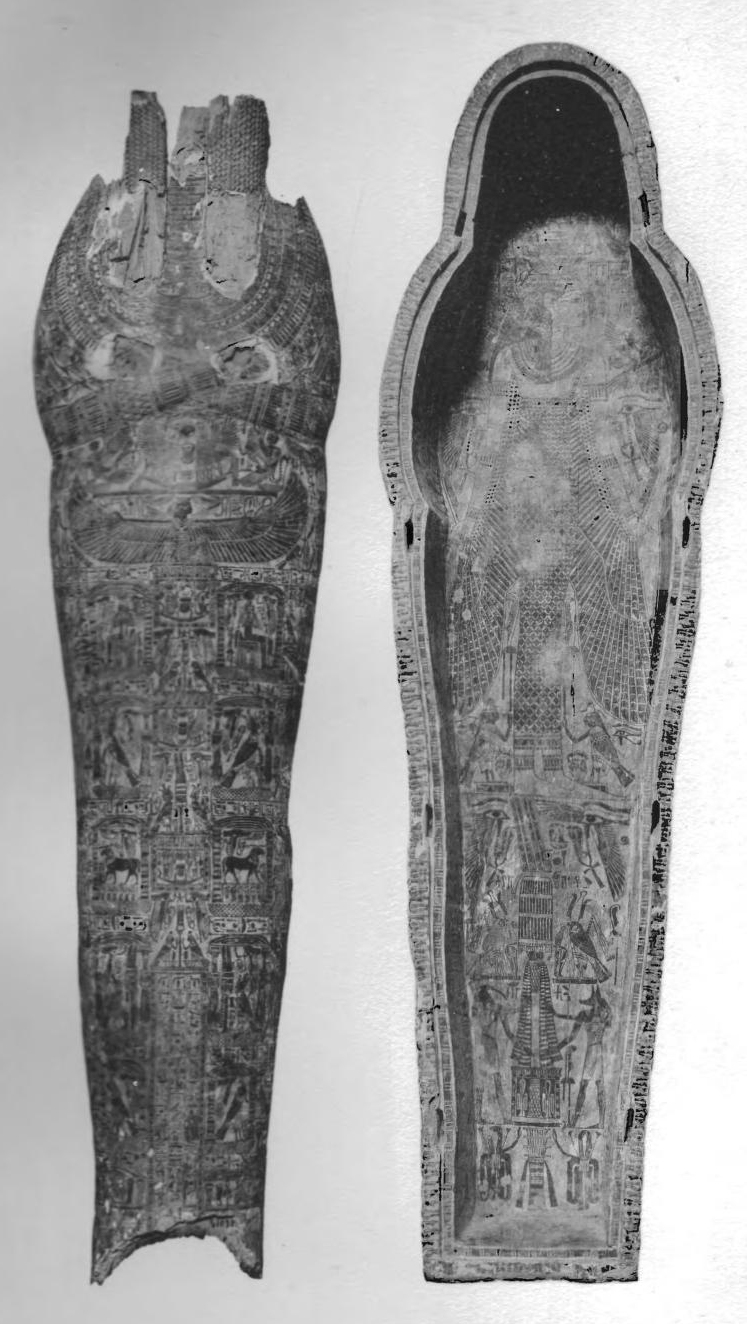
Tayuheret’s coffin board and inner coffing basin from Georges Daressy’s Cercueils des cachettes royales, Cairo, 1909
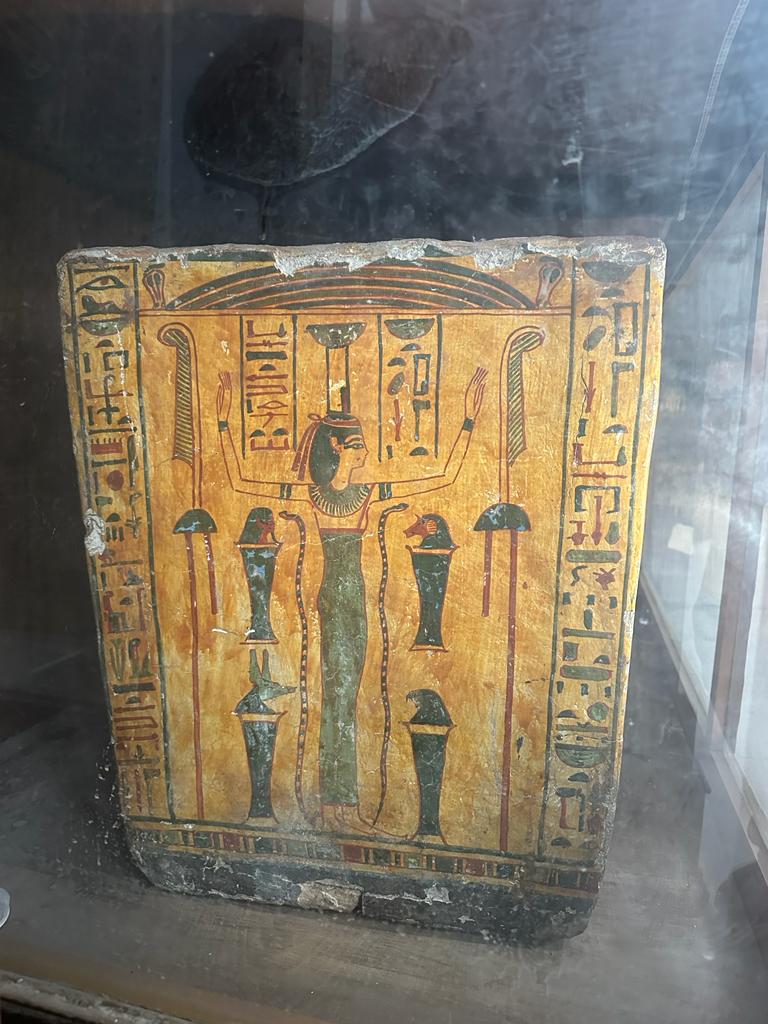
CG 61032 Tayuheret coffins photo VB 2015 001

CG 61032 Tayuheret coffins photo VB 2015 002

CG 61032 Tayuheret coffins photo VB 2015 003
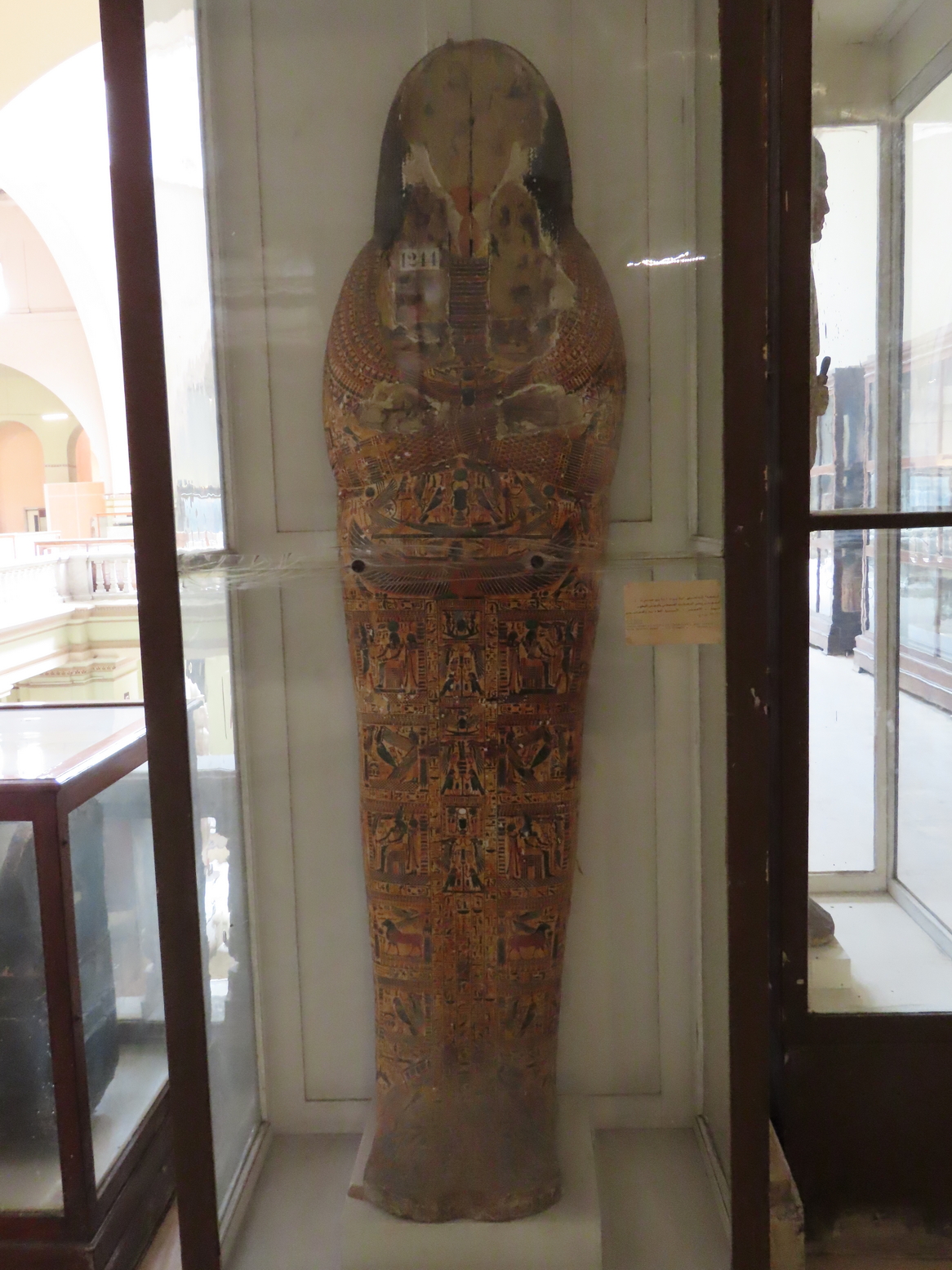
CG 61032 Tayuheret coffins photo VB 2015 005
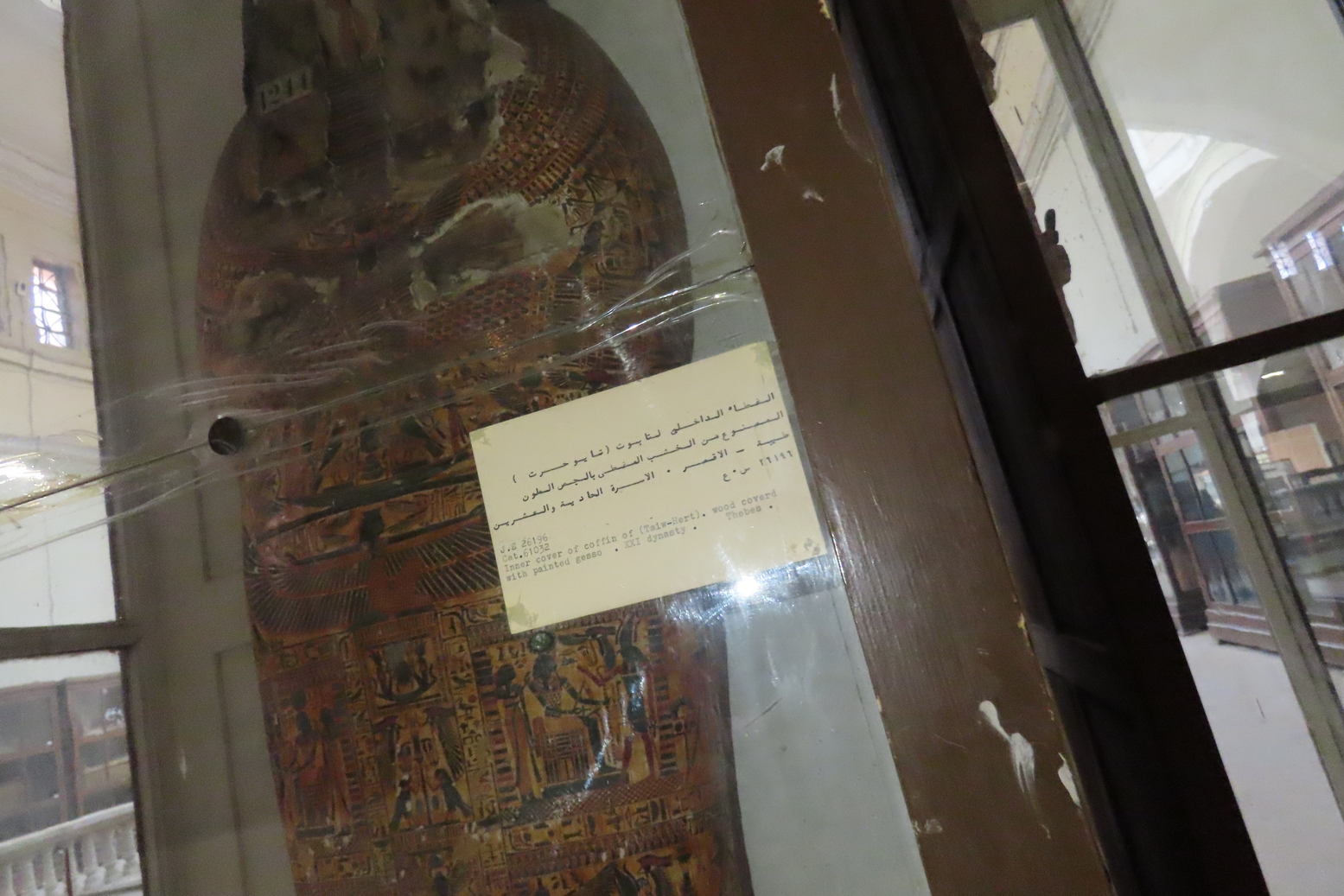
CG 61032 Tayuheret coffins photo VB 2015 007

CG 61032 Tayuheret coffins photo VB 2015 008

CG 61032 Tayuheret coffins photo VB 2015 009
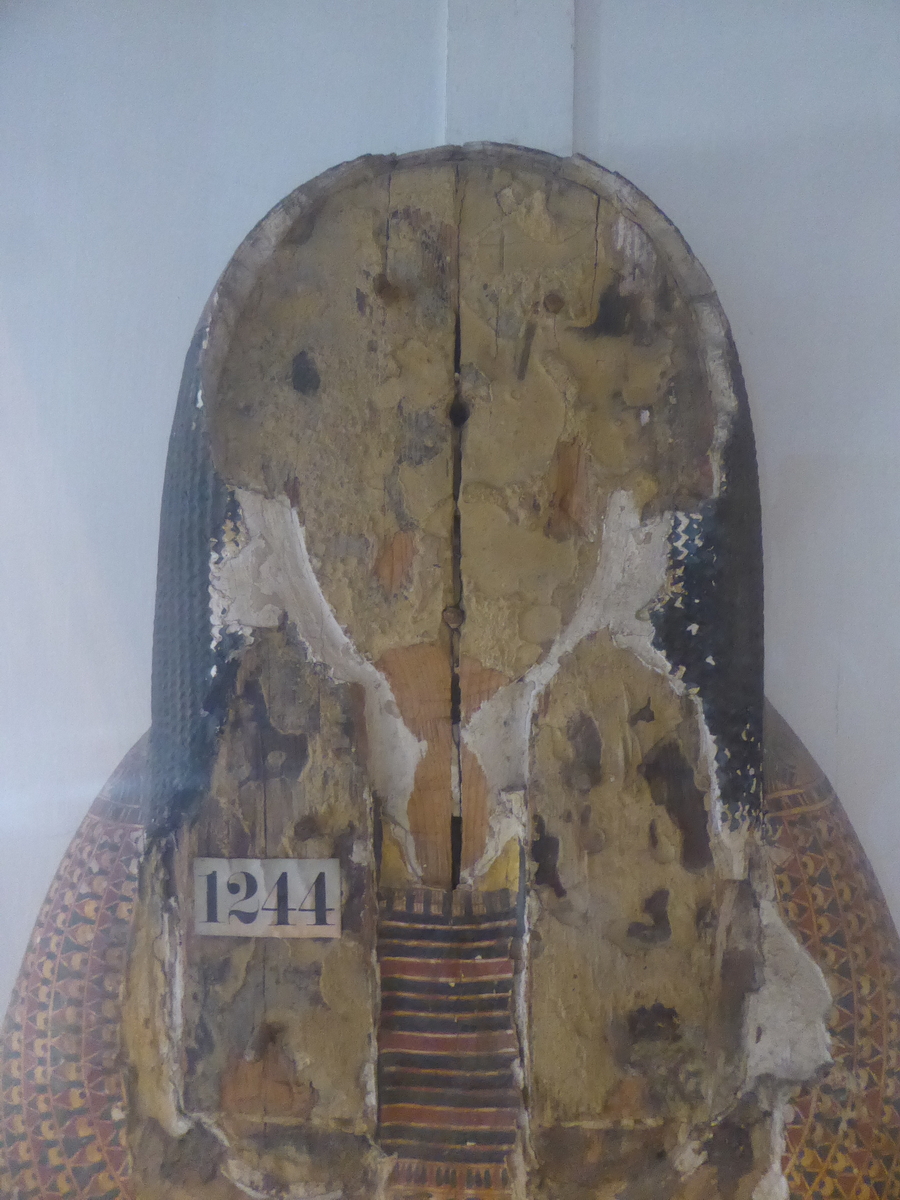
CG 61032 Tayuheret coffins photo VB 2015 010
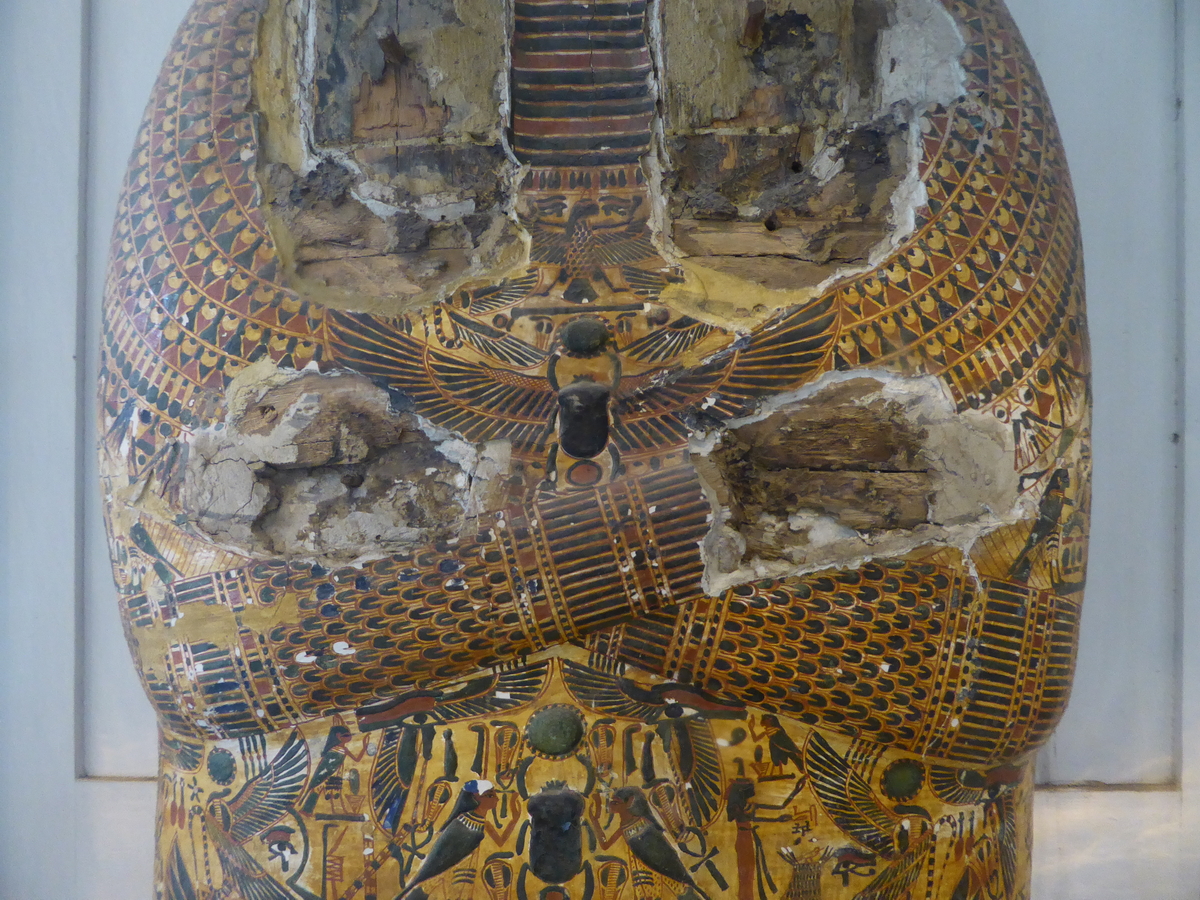
CG 61032 Tayuheret coffins photo VB 2015 011
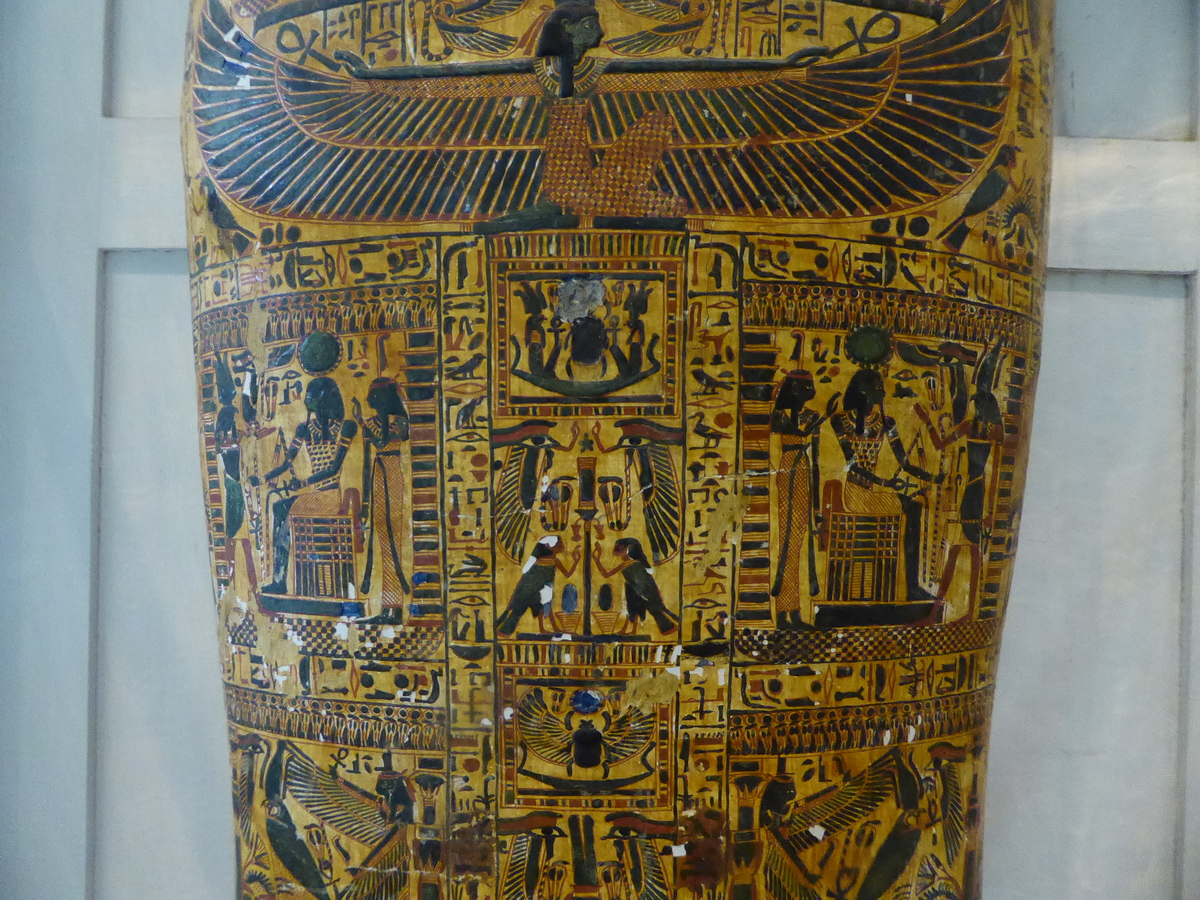
CG 61032 Tayuheret coffins photo VB 2015 012

CG 61032 Tayuheret coffins photo VB 2015 013
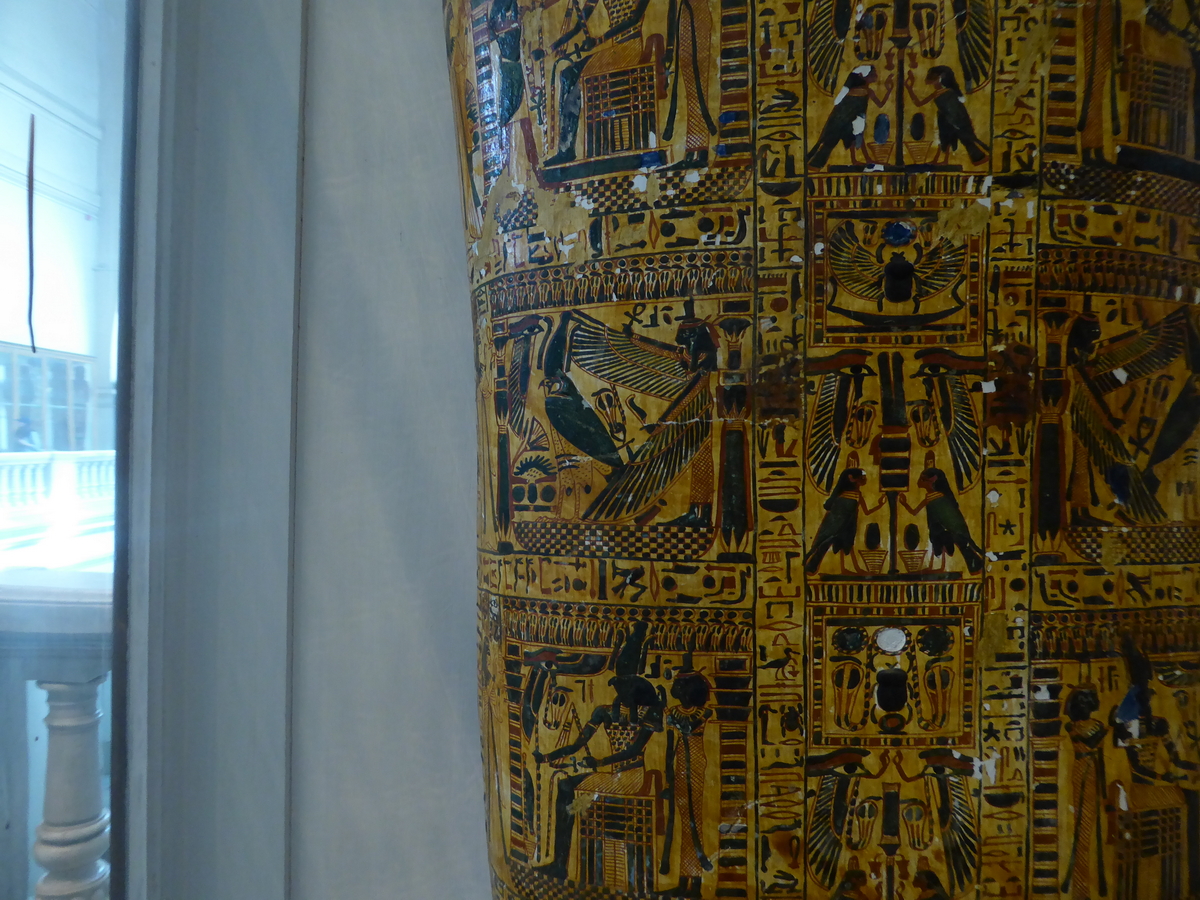
CG 61032 Tayuheret coffins photo VB 2015 014

CG 61032 Tayuheret coffins photo VB 2015 015
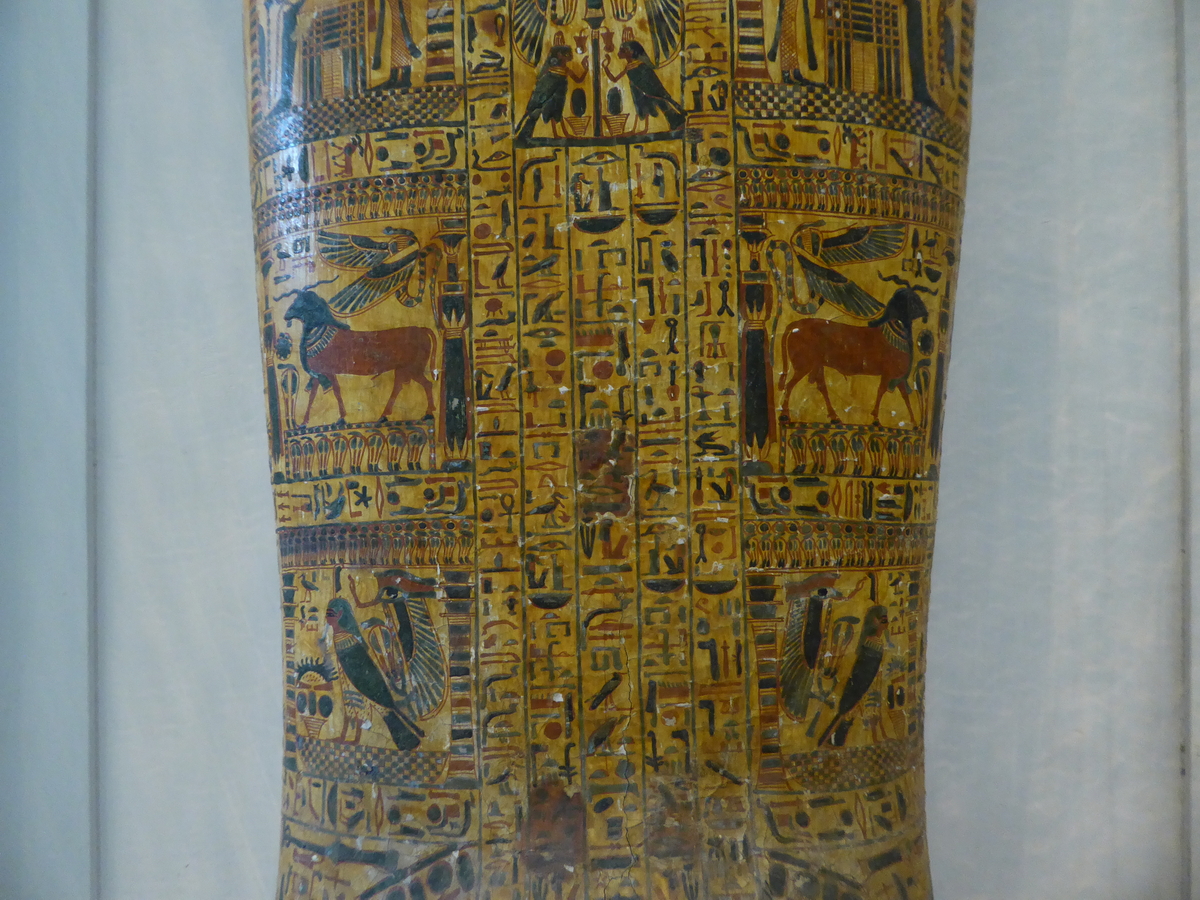
CG 61032 Tayuheret coffins photo VB 2015 016

CG 61032 Tayuheret coffins photo VB 2015 017
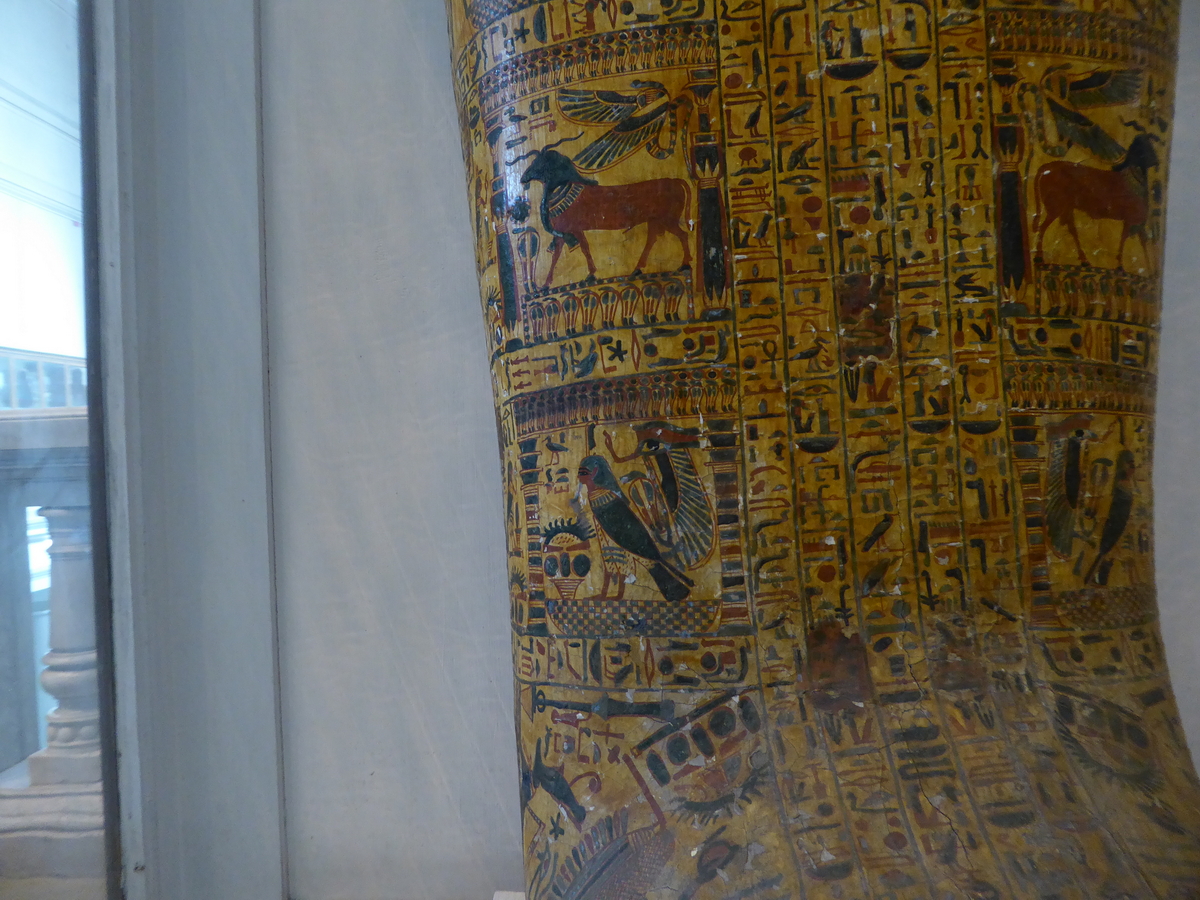
CG 61032 Tayuheret coffins photo VB 2015 018

CG 61032 Tayuheret coffins photo VB 2015 019

CG 61032 Tayuheret coffins photo VB 2015 020
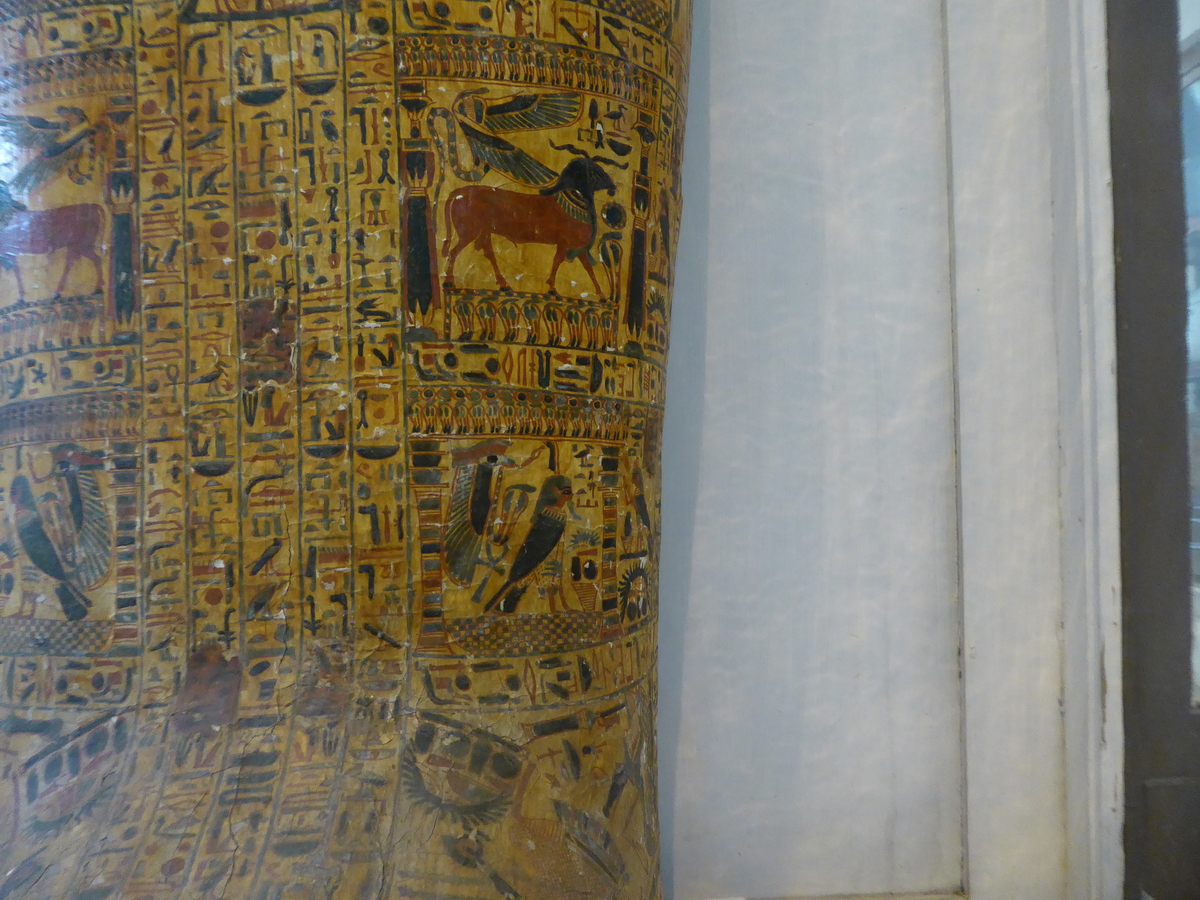
CG 61032 Tayuheret coffins photo VB 2015 021
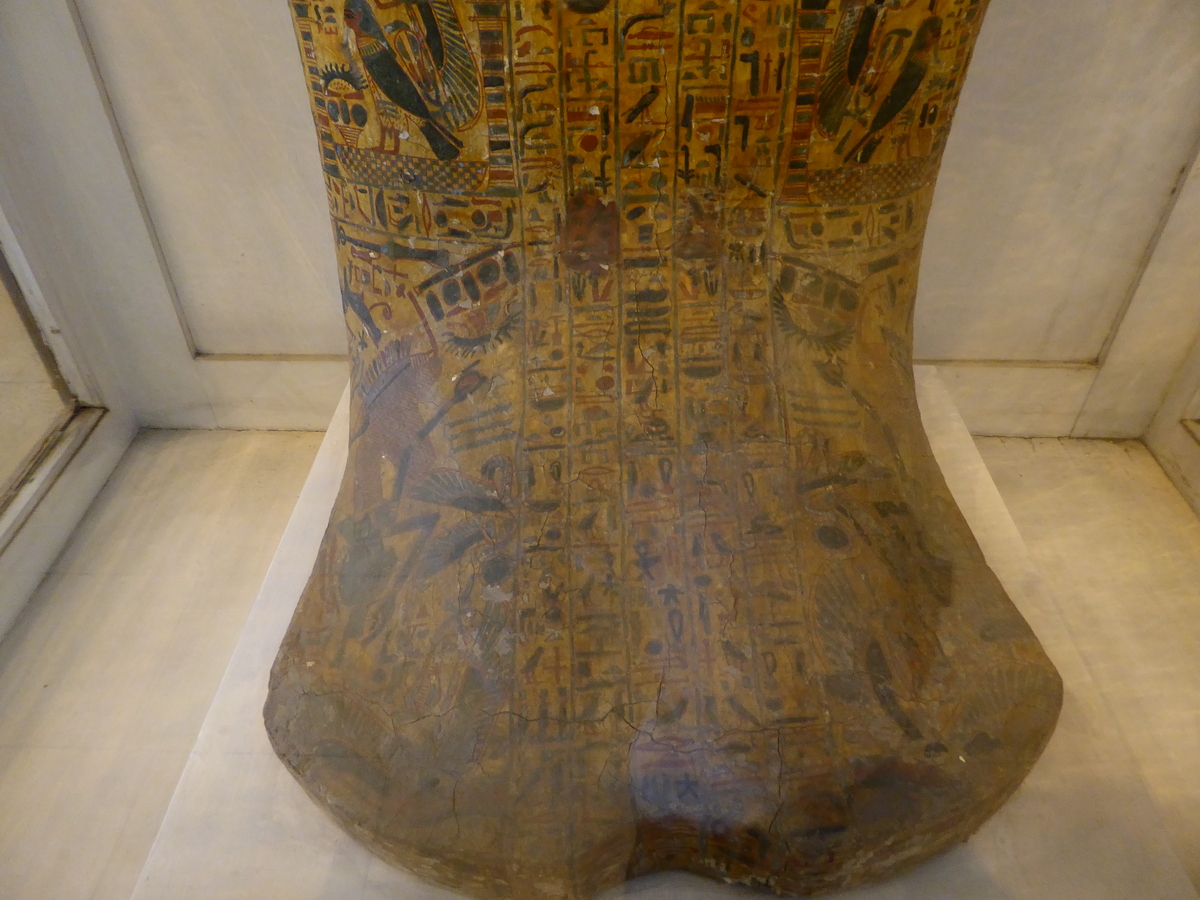
CG 61032 Tayuheret coffins photo VB 2015 022

CG 61032 Tayuheret coffins photo VB 2015 024

CG 61032 Tayuheret coffins photo VB 2015 025
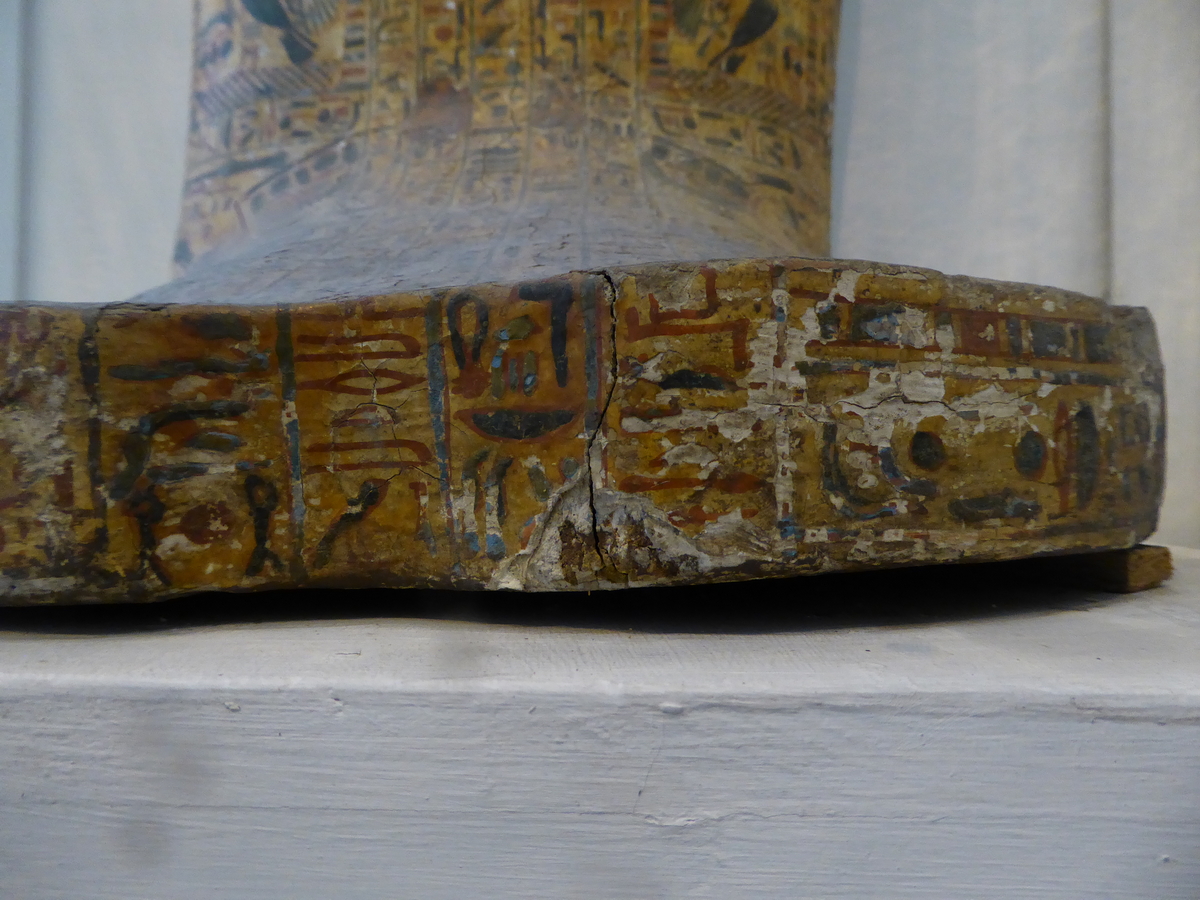
CG 61032 Tayuheret coffins photo VB 2015 026

CG 61032 Tayuheret coffins photo VB 2015 027

CG 61032 Tayuheret coffins photo VB 2015 028
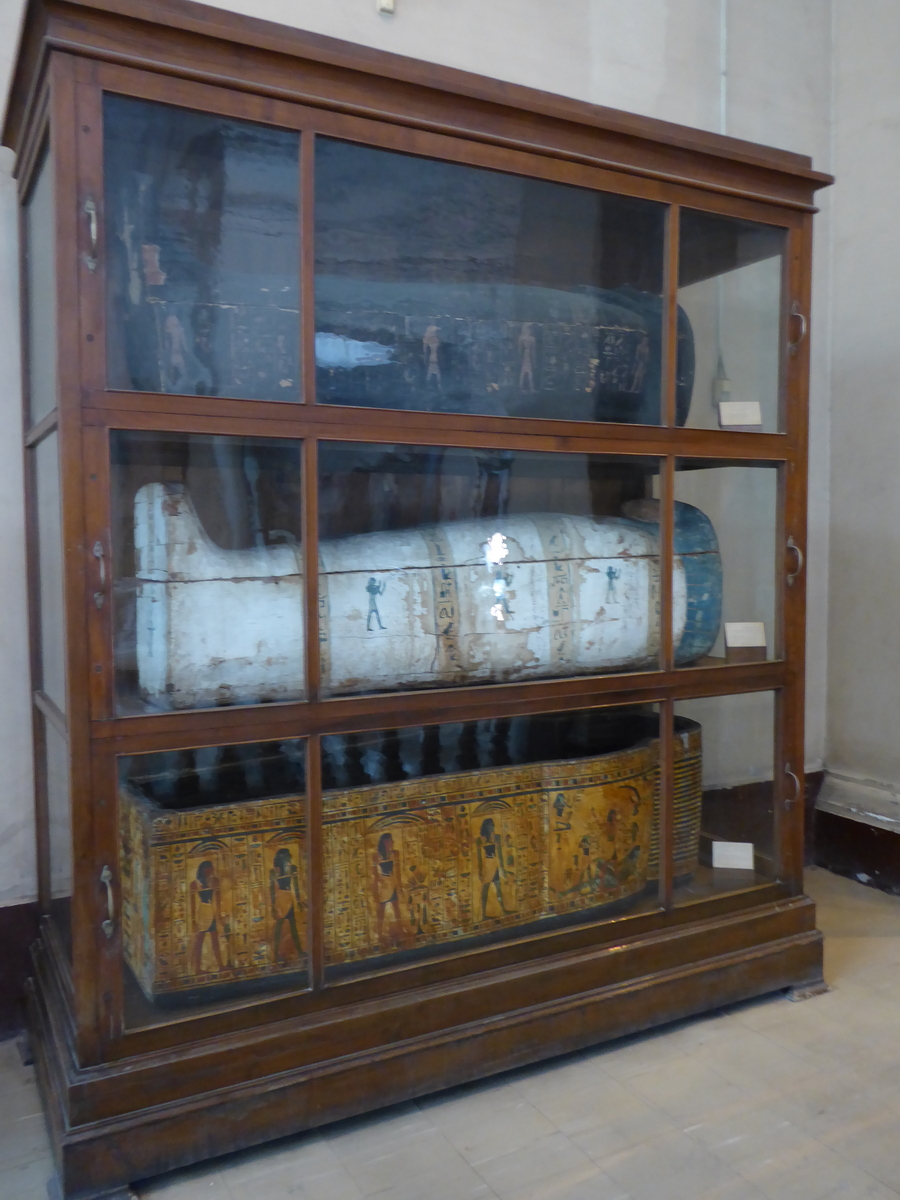
CG 61032 Tayuheret coffins photo VB 2015 029
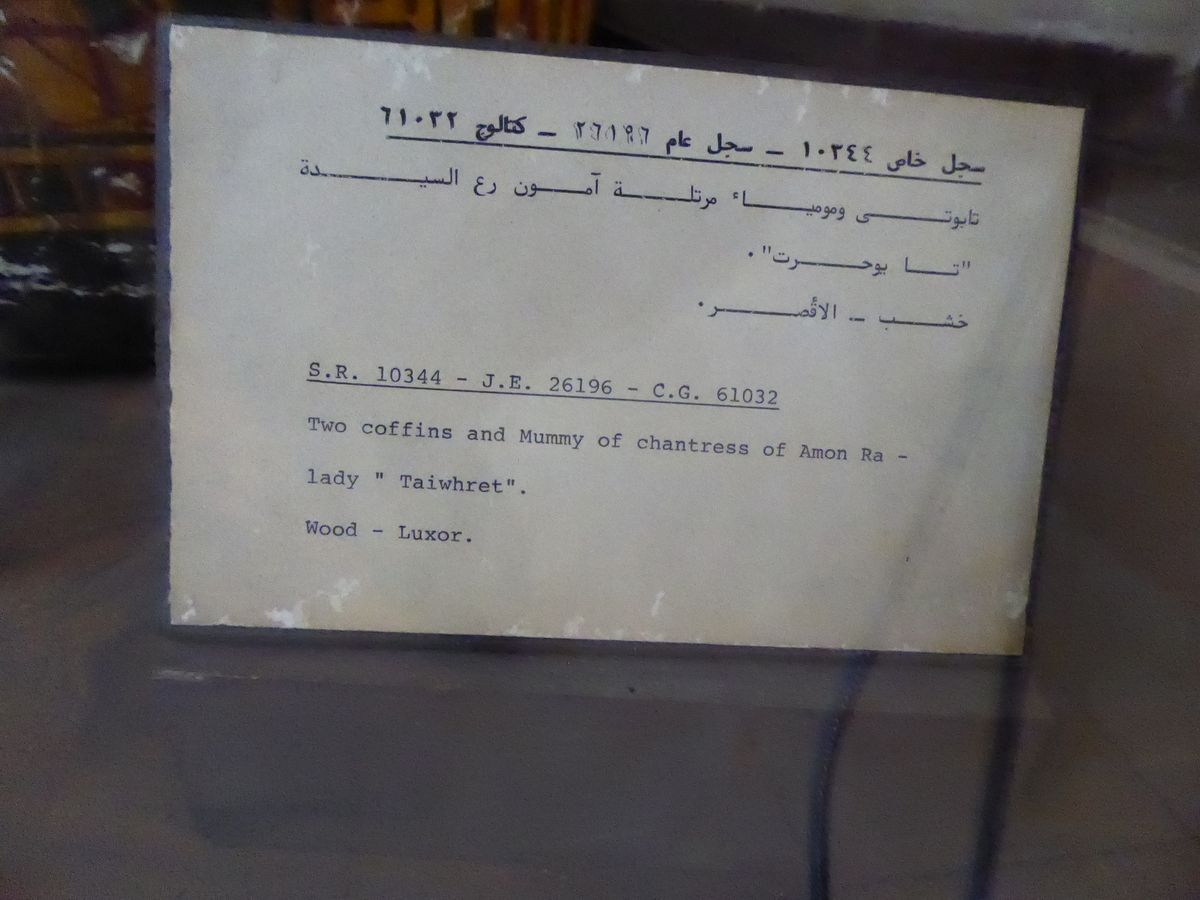
CG 61032 Tayuheret coffins photo VB 2015 030
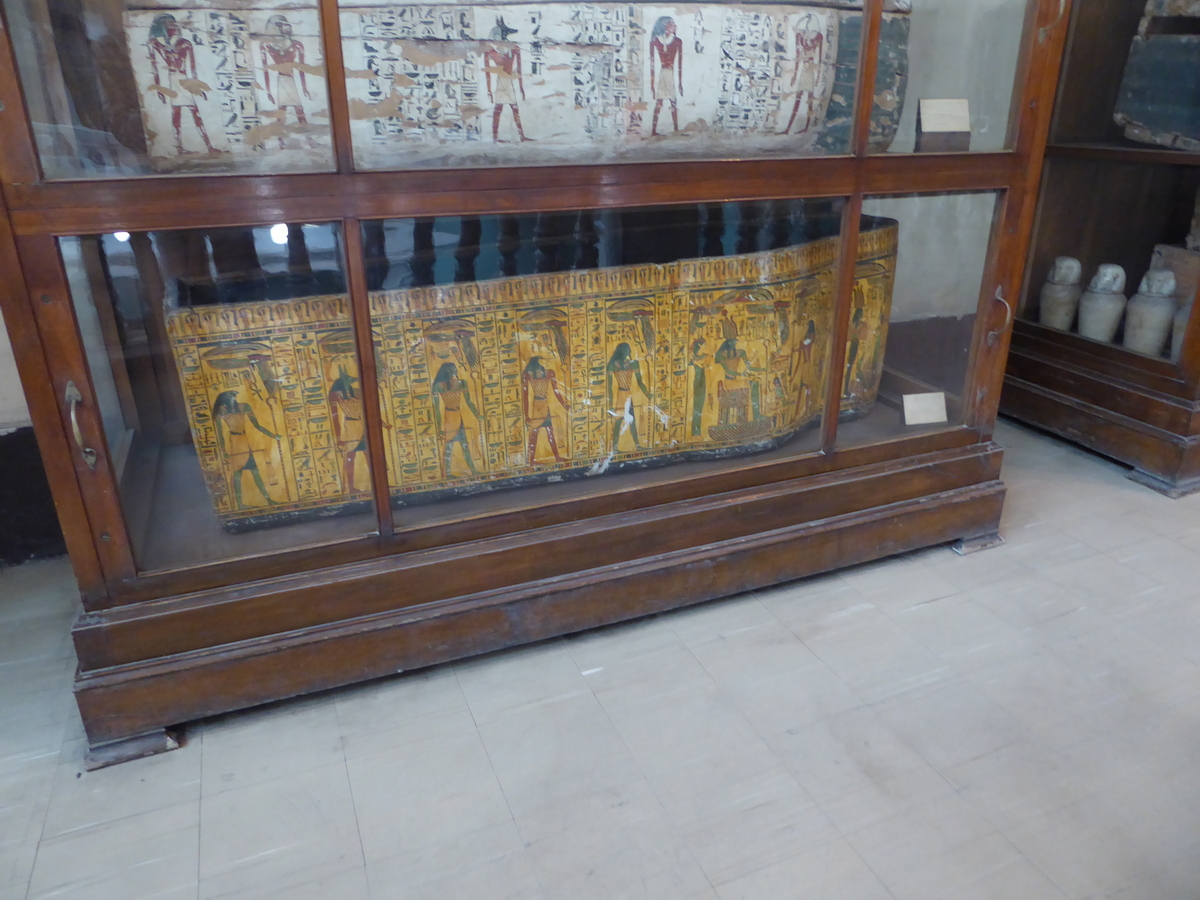
CG 61032 Tayuheret coffins photo VB 2015 031
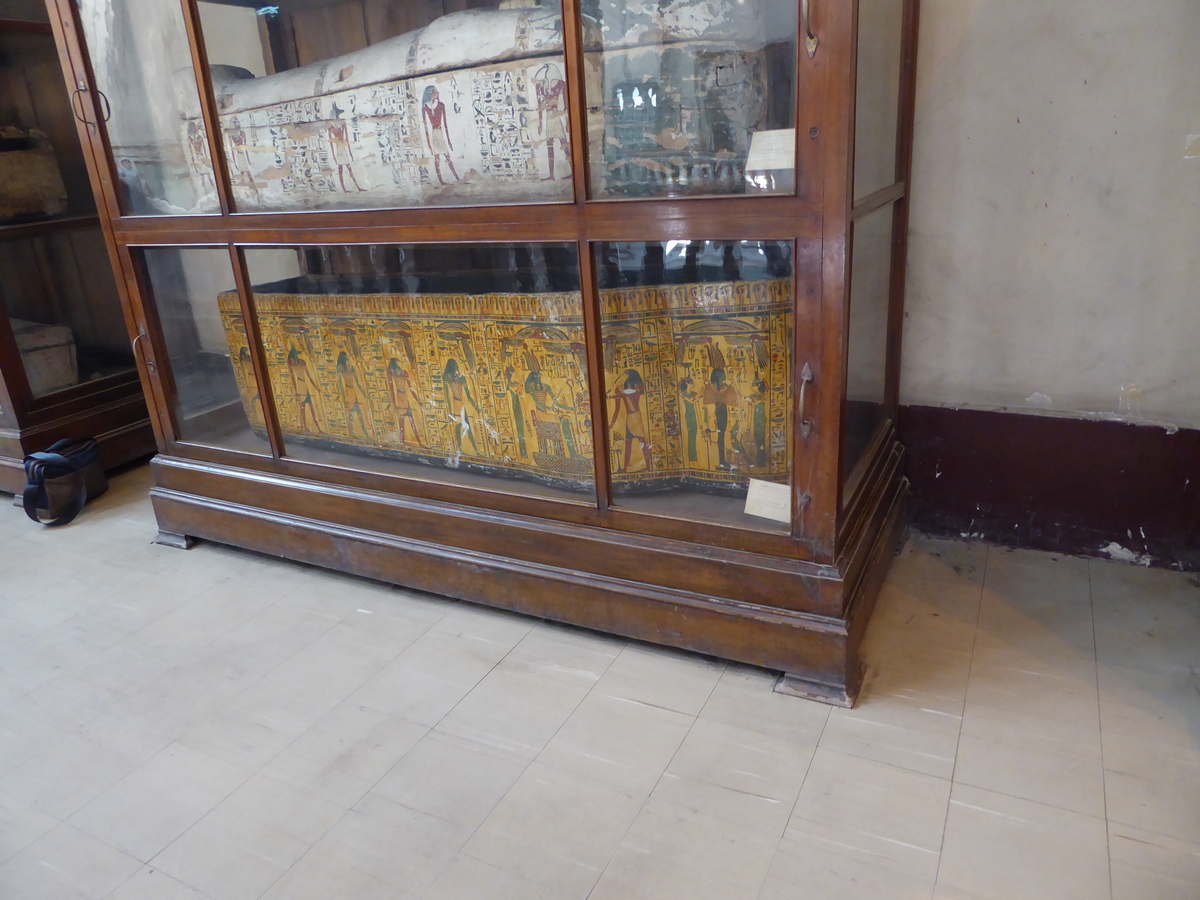
CG 61032 Tayuheret coffins photo VB 2015 032
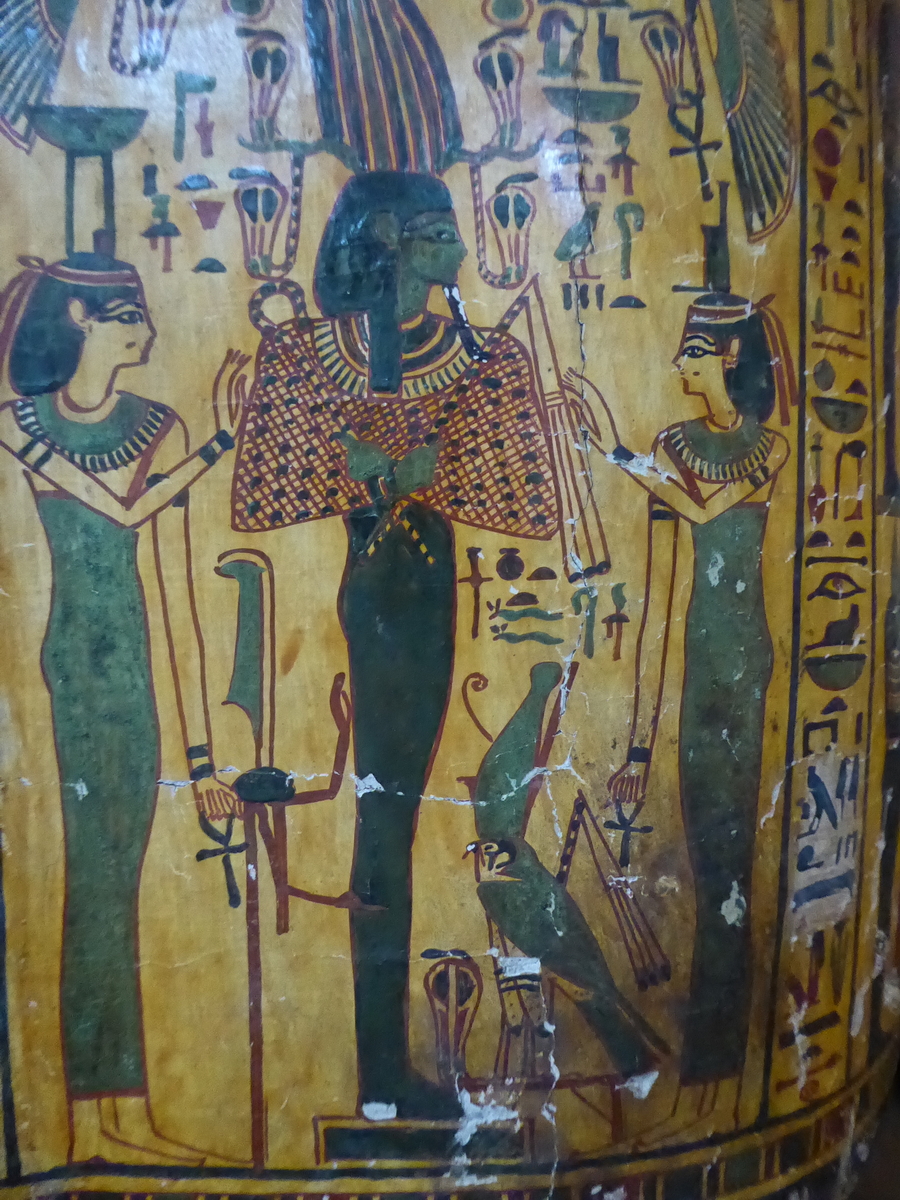
CG 61032 Tayuheret coffins photo VB 2015 033
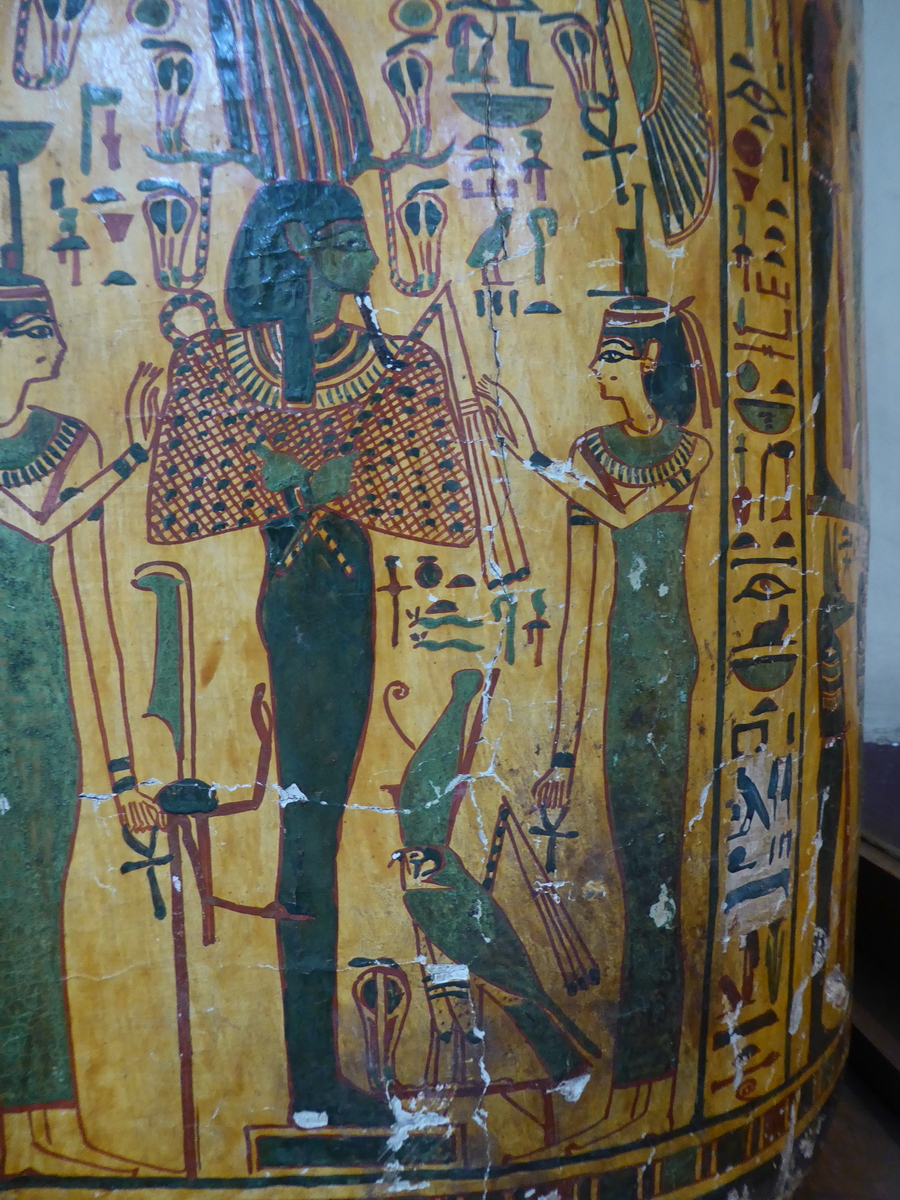
CG 61032 Tayuheret coffins photo VB 2015 035
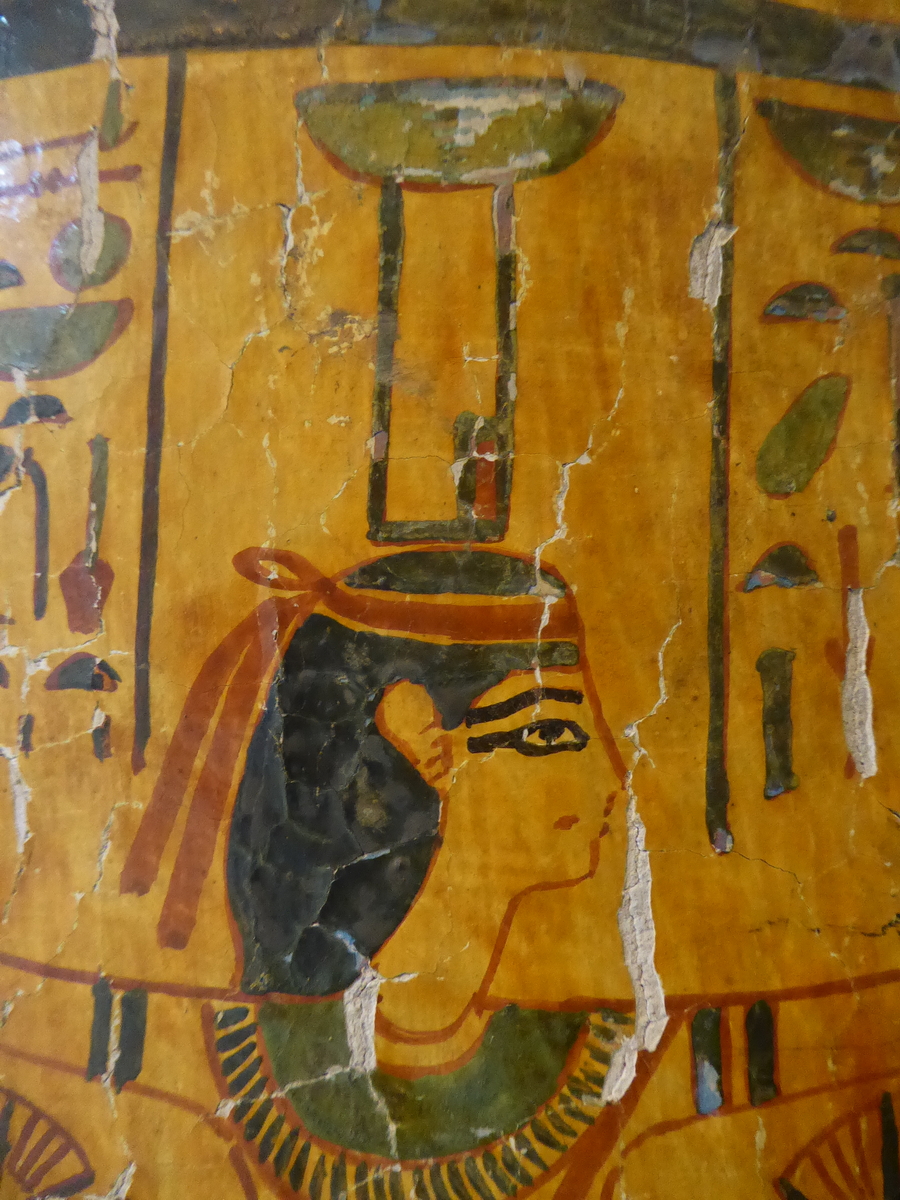
CG 61032 Tayuheret coffins photo VB 2015 036

CG 61032 Tayuheret coffins photo VB 2015 038
