
Vignettes Spell 110
Being in the Field of Offerings
This spell functions as a vital guide for the afterlife, securing the deceased’s transition into the mythical Field of Offerings and Field of Reeds. This ritual text empowers the justified spirit to navigate the underworld, ensuring eternal survival through idealized farming, herding, and divine worship. Visually expressed in detailed papyrus illustrations, the spell establishes a perfect world where cosmic order prevails. By performing these rituals, the deceased successfully eliminates the earthly threats of hunger and hardship, guaranteeing perpetual peace and rebirth in the next life
See for analyses and academic information Totenbuch Spruch 110
See also R. O. Faulkner, The Ancient Egyptian Book of the Dead, 1985 revised edition, p.103ff.
“The Field of Offerings”

Yuya harvesting grain in the Field of Reeds. This manual act symbolizes eternal abundance in the afterlife, where even noblemen personally gathered divine crops to secure immortality and endless food, though Chapter 6 allowed his shabti statues to magically do the actual work for him
Photo: VB 2021
Nebseni
Papyrus c. 1400 BC, 18th Dyn.
© The Trustees of the British Museum

Yuya
Papyrus c. 1370 BC, 18th Dyn.
Photo VB 2021

Nakht
Papyrus c. 1325 BC, 18th Dyn.
© The Trustees of the British Museum

Ani
Papyrus c. 1250 BC, 19th Dyn.
© The Trustees of the British Museum

Amenemwia
Papyrus c. 1075 BC, 21th Dyn.
Photo BnF Gallica

Tashedkhonsu
Papyrus c. 1075 BC, 21th Dyn.
Photo VB 2021

Tabaketenkhonsu
Papyrus c. 1075 BC, 21th Dyn.
Photo VB 2024-11

Nodjemet
Papyrus c. 1070 BC, 21th Dyn.
© The Trustees of the British Museum

Tajoeheryt
Papyrus c. 1050 BC, 21th Dyn.
Photo RMO Leiden

Sutymes
Papyrus c. 1050 BC, 21th Dyn.
Photo BnF Gallica

Nauny
Papyrus c. 1050 BC, 21th Dyn.
Photo Metropolitain Museum

Pinedjem I
Papyrus c. 1035 BC, 21th Dyn.
Photo VB 2021

Tjanefer
Papyrus c. 1010 BC, 21th Dyn.
Photo VB 2021

Aaneru
Papyrus c. 1010 BC, 21th Dyn.
Photo Archivio Museo Egizio

Taudjatra
Papyrus c. 1010 BC, 21th Dyn.
Photo VB 2024

Anhay
Papyrus c. 1010 BC, 21th Dyn.
© The Trustees of the British Museum

Bakenwerel
Papyrus c. 1010 BC, 21th Dyn.
© Museo Nacional Havana

Nestanebetisheru
Papyrus c. 960 BC, 21th Dyn.
© The Trustees of the British Museum

Ankhesenmut
Papyrus c. 960 BC, 21th Dyn.
Photo VB 2022

Shedsuhor
Papyrus c. 960 BC, 21th Dyn.
Photo VB 2021

Ankhesenaset
Papyrus c. 960 BC, 21th Dyn.
Photo BnF Gallica

Bakenmut (I)
Papyrus c. 960 BC, 21th Dyn.
Photo VB 2021

Herytubekhet
Papyrus c. 960 BC, 21th Dyn.
Photo VB 2021
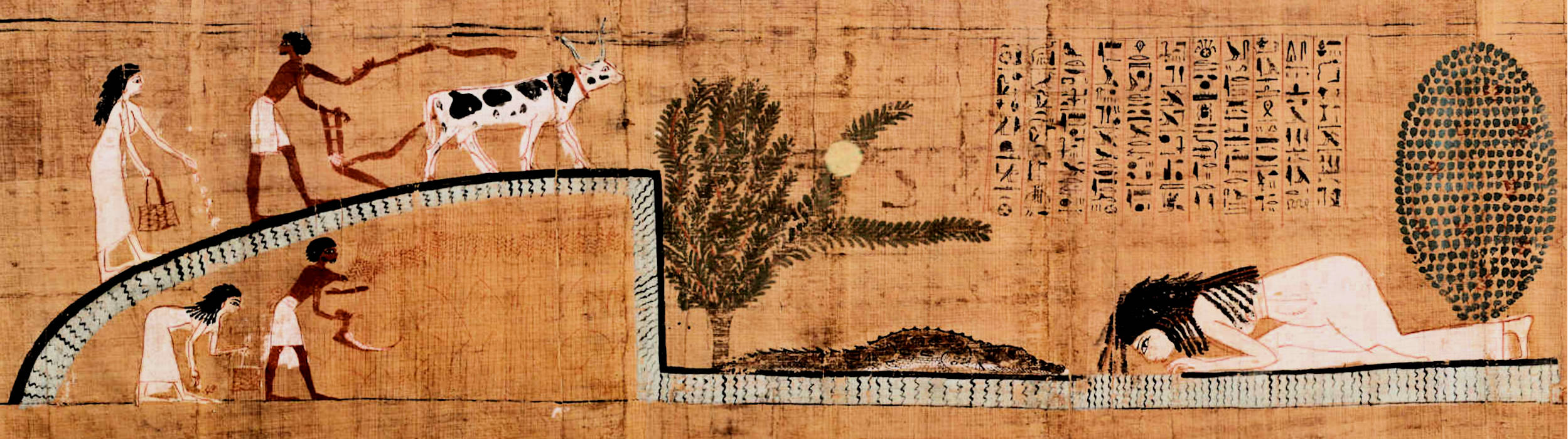
Djedmutiuesankh
Papyrus c. 960 BC, 21th Dyn.
Photo VB 2022

Horemakhbit
Papyrus c. 945 BC, 21th Dyn.
Photo VB 2025

Imhotep
Papyrus c. 340 BC, Ptolemaic
Photo VB 2024

Padiamonnebnesouttaouy
Papyrus c. 280 BC, Ptolemaic
Photo BnF Gallica

Pajuheru
Papyrus c. 250 BC, Ptolemaic
Photo Bayerische Staatsbibliothek

Neferini
Papyrus c. 225 BC, Ptolemaic
Photo VB 2022

Iuefankh
Papyrus c. 200 BC, Ptolemaic
Photo VB 2025


