Vignettes Transformation Spells 76 to 88
These thirteen spells of the Egyptian Book of the Dead comprise a sequence of transformation spells through which the deceased’s ba acquires divine and animal forms. These spells enable effective mobility and agency in the beyond, including movement between the realm of the dead and the world of the living. Among the forms assumed are the golden falcon, the heron, and the crocodile
Transformation into;
Spell 76 – Any Form One Wishes
Spell 77 – Golden Falcon – Solar radiance; divine mobility; celestial status
Spell 78 – Divine Falcon – Horus identification; power; protection
Spell 79 – Elder of the Tribunal – Deification; authority among the gods
Spell 80 – God – Light; visibility; solar vitality
Spell 81A – Lotus – Rebirth; emergence from the primeval waters; solar renewal
Spell 81B – Lotus – Earthly vitality; regenerative connection with the earth
Spell 82 – Ptah – Divine power; imperishable existence
Spell 83 – Phoenix – Solar renewal; renewed manifestation
Spell 84 – Heron – Regeneration; safe movement across water and marshland; solar emergence
Spell 85 – Living Soul (Ba) – Autonomous movement between realms; preservation of personal identity
Spell 86 – Swallow – Free, swift movement; return
Spell 87 – Snake – Renewal; protection; access to the underworld
Spell 88 – Crocodile – Strength; protection; safe movement through dangerous waters
For translated spells see R.O. Faulkner
The Ancient Egyptian Book of the Dead, 1985 revised edition, p73ff.
Spell 76
Taking Any Form One Wishes
This is the general introductory formula to the sequence of transformation spells (BD 76–88). Its rubric, “Spell for becoming in any form one wishes to become,” expresses the deceased’s capacity to assume a desired xprw (“form,” “mode of manifestation,” or “transformation”). The spell introduces a series in which the deceased may take specific divine, animal, vegetal, and avian forms, including the falcon, lotus, bA-bird, swallow, serpent, and crocodile. These transformations are associated with the deceased’s effective agency and mobility in the post-mortem world and, more broadly, with participation in solar renewal. Spell 76 therefore establishes the general premise for the transformations developed in the following spells
The Totenbuch database records vignettes for Spell 76, but I have found no convincing evidence for them
See for analyses and academic information Totenbuch Spruch 76
Faulkner: “Spell for being transformed into any shape one may wish to take”, pg. 73
Vignettes Spell 77
Transformation into a Golden Falcon
This spell enables the deceased to assume a radiant divine form. Its emphasis lies on the falcon’s material and celestial splendour: gold evokes the imperishable flesh of the gods, while the bird is endowed with wings of green feldspar and a back measuring seven cubits (approximately 3.7 meters). The spell thus establishes the deceased’s transformed body as both magnificent and enduring
In contrast, Spell 78, also concerned with falcon transformation, focuses less on this detailed, precious physical description and more on the ba’s divine mobility, authority, and effective emergence. Together, the two spells express complementary aspects of the falcon form: Spell 77 its luminous, divinised body, and Spell 78 its active power and freedom of movement.
See for analyses and academic information Totenbuch Spruch 77
Faulkner: “Spell for being transformed into a falcon of gold”, pg. 73ff
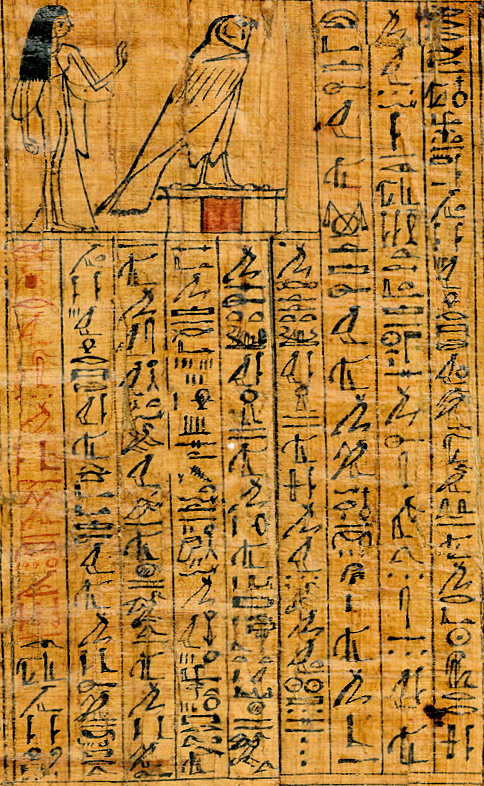
Spell 77 – ir.t xprw m bik n nbw – Transformation into a Golden Falcon
Papyrus for Tajoeheryt c. 1050 BC,
21th Dyn. Photo RMO Leiden
Senhotep
Papyrus c. 1440 BC, 18th Dyn.
Photo VB 2021

Kha
Papyrus c. 1400 BC, 18th Dyn.
Museo Egizio

Maiherperi
Papyrus c. 1400 BC, 18th Dyn.
Photo VB 2021

Nebseni
Papyrus c. 1400 BC, 18th Dyn.
© The Trustees of the British Museum

Yuya
Papyrus c. 1370 BC, 18th Dyn.
Photo VB 2021

Nakht
Papyrus c. 1325 BC, 18th Dyn.
© The Trustees of the British Museum

Ani
Papyrus c. 1250 BC, 19th Dyn.
© The Trustees of the British Museum

Tabaketenkhonsu
Papyrus c. 1075 BC, 21th Dyn.
Photo VB 2024-11

Tajoeheryt
Papyrus c. 1050 BC, 21th Dyn.
Photo RMO Leiden

Nauny
Papyrus c. 1050 BC, 21th Dyn.
Photo Metropolitain Museum

Seramun
Papyrus c. 1050 BC, 21th Dyn.
Photo © 2021 Jan Koek

Henuttawy-A
Papyrus c. 1010 BC, 21th Dyn.
Photo VB 2026-01

Taudjatra
Papyrus c. 1010 BC, 21th Dyn.
Photo VB 2024

Nestanebetisheru
Papyrus c. 960 BC, 21th Dyn.
© The Trustees of the British Museum

Iset
Papyrus c. 960 BC, 21th Dyn.
Photo VB 2024

Shedsuhor
Papyrus c. 960 BC, 21th Dyn.
Photo VB 2021




Vignettes Spell 78
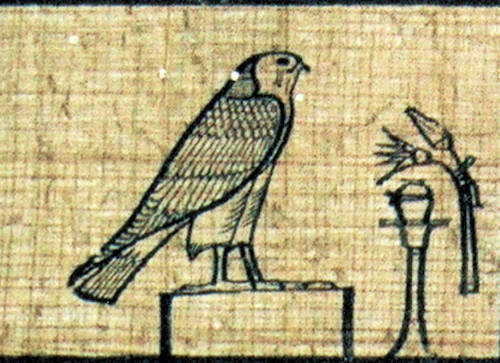
Transformation into a Divine Falcon for Celestial Mobility
This spell enables the deceased to assume the form of a divine falcon and thereby to participate in the celestial course of the sun god. The falcon form confers not merely aerial mobility, but a divinely sanctioned capacity to traverse the heavens, join the solar realm, and exercise enduring posthumous agency
See for analyses and academic information Totenbuch Spruch 78
Faulkner: “Spell for being transformed into a divine falcon”, pg. 74ff

Start Spell 78 – ir.t xprw m bik nTry – Transformation into a Divine Falcon
Papyrus for Tajoeheryt c. 1050 BC,
21th Dyn. Photo RMO Leiden
Ani
Papyrus c. 1250 BC, 19th Dyn.
© The Trustees of the British Museum

Vignettes 77 (left) and 78 combined

Nestanebetisheru
Papyrus c. 960 BC, 21th Dyn.
© The Trustees of the British Museum

Vignettes 78 (left) and 77 combined


Padiamonnebnesouttaouy
Papyrus c. 280 BC, Ptolemaic
Photo BnF Gallica

Vignettes 78 (left) and 77 combined


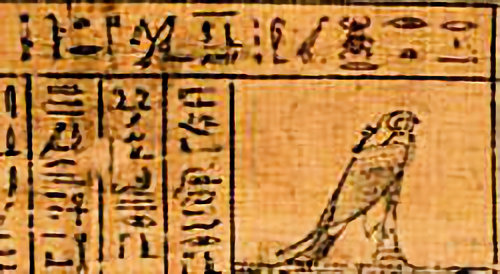
Taruma
Papyrus c. 200 BC, Ptolemaic
Photo VB 2023

According to the Totenbuch project, the vignettes above the texts are reversed.
Vignettes 77 (left) and 78 combined
Vignettes Spell 79
Transformation to an Elder of the Tribunal
This spell enables the deceased to assume the form of an elder of the divine tribunal (DADA.t). Its purpose is not merely to grant elevated status, since other transformation spells likewise associate the deceased with divine forms. Rather, this transformation gives access to the authority, dignity, and recognised standing of those who sit within the divine assembly
In this form, the deceased is no longer presented merely as a petitioner awaiting judgement, but as one who belongs among the venerable beings of the netherworld. The elder embodies maturity, ritual knowledge, and legitimacy within the ordered divine world. The transformation may therefore be understood as securing acceptance and effective status in the presence of the gods
See for analyses and academic information Totenbuch Spruch 79
Faulkner: “Spell for becoming an elder of the tribunal”, pg. 78

Spell 79 – r n ir.t xpr.w m sr m DADA.t – Spell for transformation into an Official in the Tribunal
Papyrus for Iuefankh c. 200 BC, Ptolemaic
Photo VB 2025


Vignettes Spell 80
Transformation into the God Who Gives Light to the Darkness
This spell enables the deceased to assume the form of the god who gives light to the darkness (sHD qqw). Its purpose is not simply to bestow a divine appearance, but to equip the deceased with the power to illuminate the darkness of the Duat and to move knowingly through its hidden regions.
In this form, the deceased becomes a source of light in places otherwise marked by obscurity, danger, and uncertainty. The transformation provides vision, orientation, and protection: it enables the deceased to recognize paths, divine beings, and potential threats within the netherworld.
The spell therefore expresses mastery over darkness rather than mere escape from it. By becoming the one who illuminates the Duat, the deceased secures continued access to light, knowledge, and effective movement, and avoids permanent confinement within the darkness of the tomb or underworld.
See for analyses and academic information Totenbuch Spruch 80
Faulkner: “Spell for making transformation into a god and giving light and darkness”, pg. 78ff

Papyrus for Ani c. 1250 BC, 19th Dyn.
Photo: © The Trustees of the British Museum

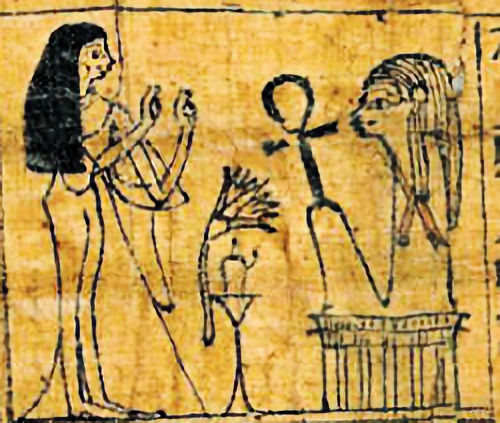


Vignettes Spell 81A & 81B
Transformation into a Lotus
These closely related spells enable the deceased to assume the form of a lotus (sSn). Their purpose is not simply to confer a beautiful floral form, but to associate the deceased with emergence, regeneration, and the daily renewal of the sun. Rising from the primeval waters, the lotus provides a potent image of rebirth and of renewed life at the moment of dawn
Through this transformation, the deceased participates in the solar cycle and appears in a state of purity and vitality. The lotus is particularly associated with Nefertem, the youthful solar god who emerges from the lotus and embodies renewal, fragrance, and the creative force of the sun. In some vignettes, the head of the deceased rises from the open flower, making the connection between personal rebirth and solar emergence especially explicit
The transformation therefore ensures more than escape from the burial place. It grants the deceased continual rejuvenation, access to the realm of light, and the capacity to be reborn anew with the sun. By becoming the lotus, the deceased overcomes the passivity and decay of death and is no longer confined to the darkness of the tomb or the Duat
See for analyses and academic information Totenbuch Spruch 81
Faulkner: “Spell for being transformed into a lotus”, pg. 79ff

Papyrus for Ani c. 1250 BC, 19th Dyn.
Photo: © The Trustees of the British Museum
Kha
Papyrus c. 1400 BC, 18th Dyn.
Museo Egizio

Maiherperi
Papyrus c. 1400 BC, 18th Dyn.
Photo VB 2021

Nebseni
Papyrus c. 1400 BC, 18th Dyn.
© The Trustees of the British Museum

Yuya
Papyrus c. 1370 BC, 18th Dyn.
Photo VB 2021

Nakht
Papyrus c. 1325 BC, 18th Dyn.
© The Trustees of the British Museum

Ani
Papyrus c. 1250 BC, 19th Dyn.
© The Trustees of the British Museum

Tabaketenkhonsu
Papyrus c. 1075 BC, 21th Dyn.
Photo VB 2024-11

Tajoeheryt
Papyrus c. 1050 BC, 21th Dyn.
Photo RMO Leiden

Seramun
Papyrus c. 1050 BC, 21th Dyn.
Photo © 2021 Jan Koek

Tentimen
Papyrus c. 1010 BC, 21th Dyn.
Photo BnF Gallica

Nestanebetisheru
Papyrus c. 960 BC, 21th Dyn.
© The Trustees of the British Museum

Iset
Papyrus c. 960 BC, 21th Dyn.
Photo VB 2024

Shedsuhor
Papyrus c. 960 BC, 21th Dyn.
Photo VB 2021

Ankhesenaset
Papyrus c. 960 BC, 21th Dyn.
Photo BnF Gallica

Imhotep
Papyrus c. 340 BC, Ptolemaic
Photo VB 2024

Padiamonnebnesouttaouy
Papyrus c. 280 BC, Ptolemaic
Photo BnF Gallica



Vignettes Spell 82
Transformation into Ptah
This allows the deceased to assume the form of Ptah, the creator god and divine craftsman. Rather than providing an avian means of movement, it confers divine vitality, permanence, and effective existence through identification with the god.
In this form, the deceased can receive divine sustenance, specifically bread and beer in the sacred halls of Heliopolis, while rejecting impurity and bodily waste. Although the deceased is described as flying like a falcon and calling as a goose, these images affirm renewed animation rather than define the transformation itself.
The transformation into Ptah therefore secures the deceased’s continued life as an effective spirit Ax, endowed with divine power and protected against threats to bodily integrity in the afterlife.
See for analyses and academic information Totenbuch Spruch 82
Faulkner: “Spell for being transformed into a Ptah”, pg. 80

Spell 82 – ir.t xprw m ptH – Transformation into Ptah
Papyrus for Kha c. 1400 BC, 18th Dyn.
Museo Egizio
Senhotep
Papyrus c. 1440 BC, 18th Dyn.
Photo VB 2021

Kha
Papyrus c. 1400 BC, 18th Dyn.
Museo Egizio
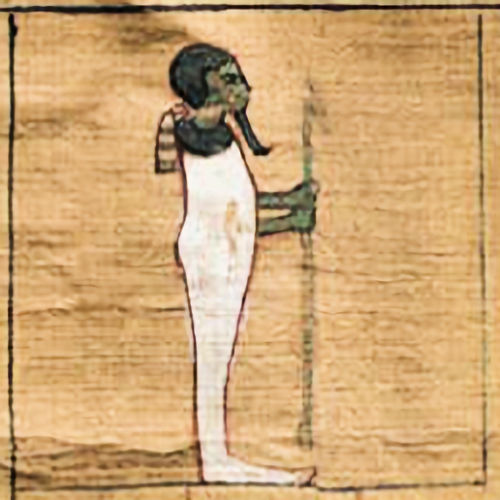
Yuya
Papyrus c. 1370 BC, 18th Dyn.
Photo VB 2021

Nakht
Papyrus c. 1325 BC, 18th Dyn.
© The Trustees of the British Museum

Ani
Papyrus c. 1250 BC, 19th Dyn.
© The Trustees of the British Museum

Tajoeheryt
Papyrus c. 1050 BC, 21th Dyn.
Photo RMO Leiden
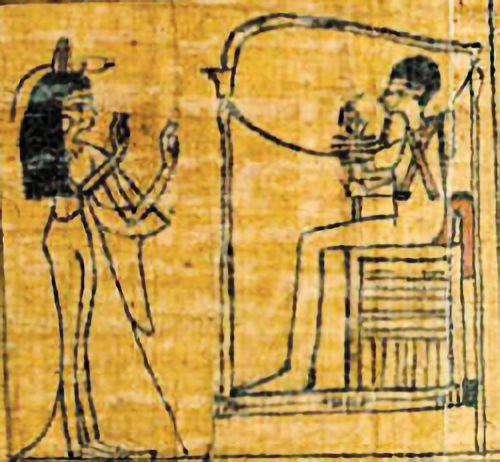
Henuttawy-A
Papyrus c. 1010 BC, 21th Dyn.
Photo VB 2026-01

Nestanebetisheru
Papyrus c. 960 BC, 21th Dyn.
© The Trustees of the British Museum


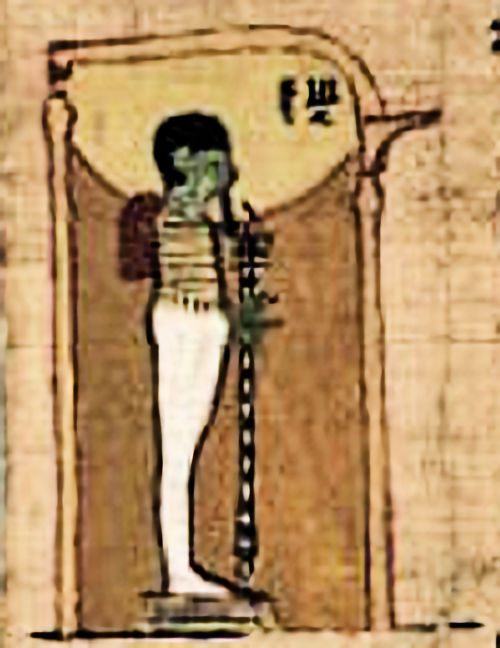

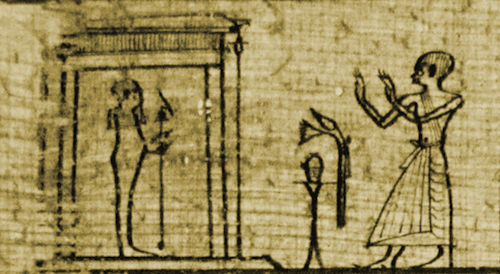


Vignettes Spell 83
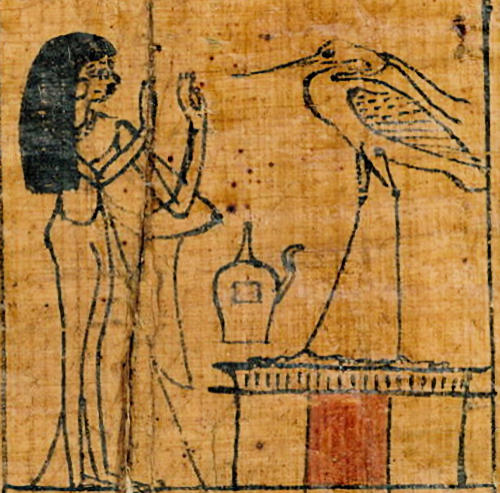
Transformation into a Phoenix (Bennu)
This enables the deceased to assume the form of the Bennu, a sacred heron associated with primeval emergence, solar renewal, and the ba of Re. Whereas Spell 84 focuses on the bird’s existence in the marshes and waterways of the netherworld, Spell 83 presents the Bennu in a more explicitly cosmic and solar context. Through this transformation, the deceased aligns himself with Khepri and with themes of emergence, renewal, and divine manifestation. References to the primeval waters, the beings of the West, Horus, Seth, Thoth, and the powers of Heliopolis situate the spell within a broader mythological landscape
See for analyses and academic information Totenbuch Spruch 83
Faulkner: “Spell for being transformed into a Phoenix”, pg. 80ff

Spell 83 – ir.t xprw m bnw – Transformation into a Phoenix (Bennu)
Papyrus for Kha c. 1400 BC, 18th Dyn.
Museo Egizio
Senhotep
Papyrus c. 1440 BC, 18th Dyn.
Photo VB 2021

Heron Spell 84 on the left, Phoenix Spell 83 on the right (reversed on Totenbuch)
Kha
Papyrus c. 1400 BC, 18th Dyn.
Museo Egizio

Maiherperi
Papyrus c. 1400 BC, 18th Dyn.
Photo VB 2021

Nebseni
Papyrus c. 1400 BC, 18th Dyn.
© The Trustees of the British Museum

Yuya
Papyrus c. 1370 BC, 18th Dyn.
Photo VB 2021

Nakht
Papyrus c. 1325 BC, 18th Dyn.
© The Trustees of the British Museum

Most likely combined vignette for Spell 83 and 84
Ani
Papyrus c. 1250 BC, 19th Dyn.
© The Trustees of the British Museum

Nodjemet
Papyrus c. 1070 BC, 21th Dyn.
© The Trustees of the British Museum

Copied from black/white photo Louvre
Tajoeheryt
Papyrus c. 1050 BC, 21th Dyn.
Photo RMO Leiden

Seramun
Papyrus c. 1050 BC, 21th Dyn.
Photo © 2021 Jan Koek

Henuttawy-A
Papyrus c. 1010 BC, 21th Dyn.
Photo VB 2026-01

Nestanebetisheru
Papyrus c. 960 BC, 21th Dyn.
© The Trustees of the British Museum

Iset
Papyrus c. 960 BC, 21th Dyn.
Photo VB 2024

Shedsuhor
Papyrus c. 960 BC, 21th Dyn.
Photo VB 2021

Ankhesenaset
Papyrus c. 960 BC, 21th Dyn.
Photo BnF Gallica
Imhotep
Papyrus c. 340 BC, Ptolemaic
Photo VB 2024

Padihorprê
Papyrus c. 280 BC, Ptolemaic
Photo BnF Gallica

It is not clear to me why this vignette is linked to Spell 83 on Totenbuch rather than to Spell 84
Djoser
Papyrus c. 250 BC, Ptolemaic
Photo VB 2022

Neferini
Papyrus c. 225 BC, Ptolemaic
Photo VB 2022


Vignettes Spell 84
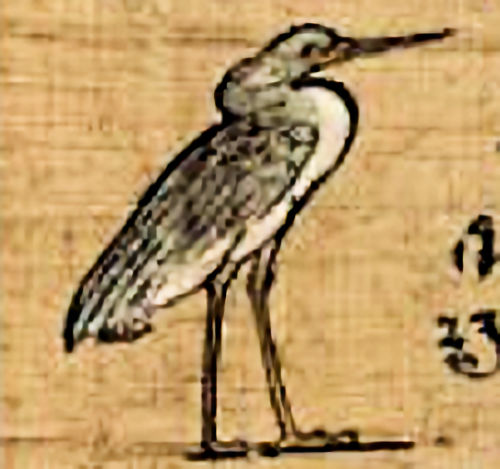
Transformation into a Heron
This spell enables the deceased to assume the form of the Bennu, a sacred heron-like bird associated with Re, primeval emergence, and solar renewal. In this avian form, the deceased gains the mobility and security of a bird able to move across the waters, marshes, and waterways of the netherworld while remaining beyond their immediate dangers. The Bennu’s emergence from the watery environment also evokes the first appearance of life and land from the primeval waters. The transformation thus combines practical freedom of movement within the netherworld with a wider promise of regeneration: like the Bennu and the reborn sun, the deceased may rise again from the conditions of death and affirm a renewed existence among the gods
See for analyses and academic information Totenbuch Spruch 84
Faulkner: “Spell for being transformed into a Heron”, pg. 81ff

Spell 84 – ir.t xprw m Snyt – Transformation into a Heron
Papyrus for Kha c. 1400 BC, 18th Dyn.
Museo Egizio
Senhotep
Papyrus c. 1440 BC, 18th Dyn.
Photo VB 2021

Heron Spell 84 on the left, Phoenix Spell 83 on the right (reversed on Totenbuch)
Kha
Papyrus c. 1400 BC, 18th Dyn.
Museo Egizio

Maiherperi
Papyrus c. 1400 BC, 18th Dyn.
Photo VB 2021

Nebseni
Papyrus c. 1400 BC, 18th Dyn.
© The Trustees of the British Museum

Yuya
Papyrus c. 1370 BC, 18th Dyn.
Photo VB 2021

Nakht
Papyrus c. 1325 BC, 18th Dyn.
© The Trustees of the British Museum
Most likely combined vignette for Spell 83 and 84
Ani
Papyrus c. 1250 BC, 19th Dyn.
© The Trustees of the British Museum

Nodjemet
Papyrus c. 1070 BC, 21th Dyn.
© The Trustees of the British Museum
Copied from black/white photo Louvre
Tajoeheryt
Papyrus c. 1050 BC, 21th Dyn.
Photo RMO Leiden

Henuttawy-A
Papyrus c. 1010 BC, 21th Dyn.
Photo VB 2026-01

Nestanebetisheru
Papyrus c. 960 BC, 21th Dyn.
© The Trustees of the British Museum

Shedsuhor
Papyrus c. 960 BC, 21th Dyn.
Photo VB 2021


Vignettes Spell 85
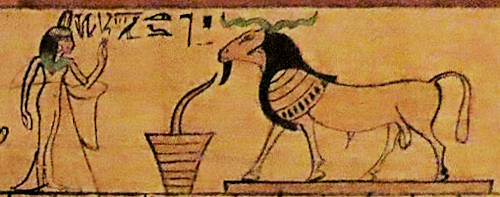
Transformation into a Living Soul (Ba)
This spell enables the deceased to assume the ultimate form of a living Ba, the very soul of cosmic creation. By identifying with primordial forces like Nun and Re, the deceased transcends the boundaries of the underworld. This transformation guarantees absolute autonomy, granting the soul the divine privilege to step forth from the tomb by day. It allows the deceased to cross between realms, revisit the land of the living, and maintain an enduring presence on earth, while remaining a sovereign entity among the gods
The vignette may depict either a human-headed Ba-bird or a ram, expressing the deceased’s transformation into the living Ba of Re
See for analyses and academic information Totenbuch Spruch 85
Faulkner: “Spell for being transformed into a living soul and not entering in the place of execution”, pg. 82ff

Spell 85 – ir.t xprw m bA anx – Transformation into a Living Ba
Papyrus for Kha c. 1400 BC, 18th Dyn.
Museo Egizio
Senhotep
Papyrus c. 1440 BC, 18th Dyn.
Photo VB 2021

Kha
Papyrus c. 1400 BC, 18th Dyn.
Museo Egizio

Maiherperi
Papyrus c. 1400 BC, 18th Dyn.
Photo VB 2021

Nebseni
Papyrus c. 1400 BC, 18th Dyn.
© The Trustees of the British Museum

Yuya
Papyrus c. 1370 BC, 18th Dyn.
Photo VB 2021

Nakht
Papyrus c. 1325 BC, 18th Dyn.
© The Trustees of the British Museum

Ani
Papyrus c. 1250 BC, 19th Dyn.
© The Trustees of the British Museum

Tajoeheryt
Papyrus c. 1050 BC, 21th Dyn.
Photo RMO Leiden


Seramun
Papyrus c. 1050 BC, 21th Dyn.
Photo © 2021 Jan Koek

Henuttawy-A
Papyrus c. 1010 BC, 21th Dyn.
Photo VB 2026-01

Taudjatra
Papyrus c. 1010 BC, 21th Dyn.
Photo VB 2024

Khonsumes
Papyrus c. 1010 BC, 21th Dyn.
Photo VB 2023


Iset
Papyrus c. 960 BC, 21th Dyn.
Photo VB 2024

Shedsuhor
Papyrus c. 960 BC, 21th Dyn.
Photo VB 2021




Vignettes Spell 86
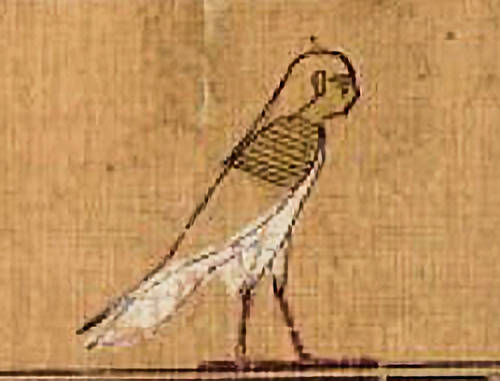
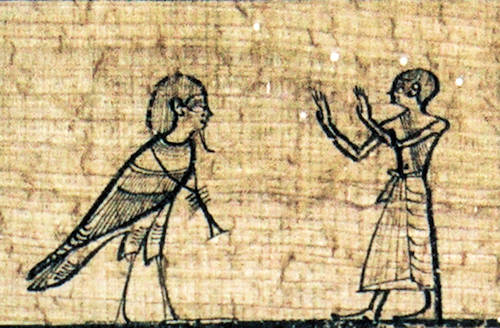
Transformation into a Swallow
This spell allows the deceased to take the form of a swallow (mnt). The aim is not merely unrestricted flight, since other transformation spells also provide avian forms. Rather, the swallow offers a particular mode of mobility: small, swift, and able to move through narrow or inaccessible spaces
In this form, the deceased could leave confined places, pass through openings and boundaries, and travel where a larger bodily form could not go. The swallow therefore expresses the ability to evade restriction and to maintain effective movement between the tomb, the underworld, and the world of the living. Its transformation secures continued freedom of action and helps ensure that the deceased is not permanently confined to the burial place
See for analyses and academic information Totenbuch Spruch 86
Faulkner: “Spell for being transformed into a swallow”, pg. 83ff

Papyrus for Ani c. 1250 BC, 19th Dyn.
Photo: © The Trustees of the British Museum
Senhotep
Papyrus c. 1440 BC, 18th Dyn.
Photo VB 2021

Kha
Papyrus c. 1400 BC, 18th Dyn.
Museo Egizio

Maiherperi
Papyrus c. 1400 BC, 18th Dyn.
Photo VB 2021

Nebseni
Papyrus c. 1400 BC, 18th Dyn.
© The Trustees of the British Museum

Yuya
Papyrus c. 1370 BC, 18th Dyn.
Photo VB 2021

Nakht
Papyrus c. 1325 BC, 18th Dyn.
© The Trustees of the British Museum

Ani
Papyrus c. 1250 BC, 19th Dyn.
© The Trustees of the British Museum

Tajoeheryt
Papyrus c. 1050 BC, 21th Dyn.
Photo RMO Leiden
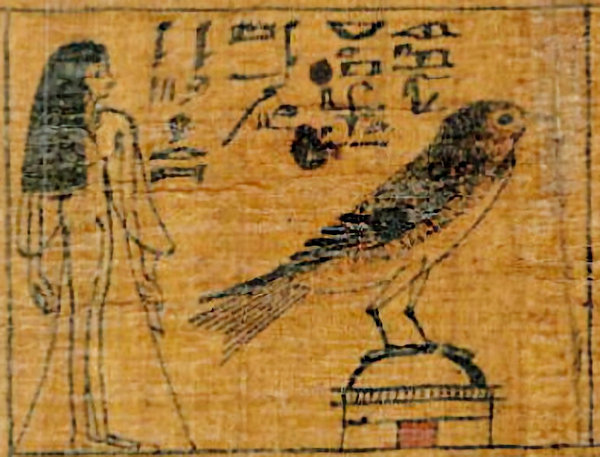
Nauny
Papyrus c. 1050 BC, 21th Dyn.
Photo Metropolitain Museum

Henuttawy-A
Papyrus c. 1010 BC, 21th Dyn.
Photo VB 2026-01

Nestanebetisheru
Papyrus c. 960 BC, 21th Dyn.
© The Trustees of the British Museum

Iset
Papyrus c. 960 BC, 21th Dyn.
Photo VB 2024

Shedsuhor
Papyrus c. 960 BC, 21th Dyn.
Photo VB 2021

Ankhesenaset
Papyrus c. 960 BC, 21th Dyn.
Photo BnF Gallica

Djedmutiuesankh
Papyrus c. 960 BC, 21th Dyn.
Photo VB 2022

Imhotep
Papyrus c. 340 BC, Ptolemaic
Photo VB 2024



Vignettes Spell 87
Transformation into a Snake
This spell allows the deceased to transform into “Son of the Earth” (Sata), a sacred serpent linked to rebirth. The spell text states: “I am a long-lived snake; I pass the night and am reborn every day”, reflecting the snake’s shedding of skin as a symbol of renewal
The snake is also described as one “which is in the limits of the earth”, placing the deceased at the edge of the underworld. The spell offers protection against hostile forces, helping the soul remain strong and reborn in the afterlife.
See for analyses and academic information Totenbuch Spruch 87
Faulkner: “Spell for being transformed into a snake”, pg. 84

Spell 87 – ir.t xprw m sA tA – Transformation into a Son of the Earth
Papyrus for Ani c. 1250 BC, 19th Dyn.
Photo: © The Trustees of the British Museum
Senuseret
Papyrus c. 1475 BC, 18th Dyn.
Photo VB 2022/2023

Kha
Papyrus c. 1400 BC, 18th Dyn.
Museo Egizio

Nebseni
Papyrus c. 1400 BC, 18th Dyn.
© The Trustees of the British Museum

Yuya
Papyrus c. 1370 BC, 18th Dyn.
Photo VB 2021

Ani
Papyrus c. 1250 BC, 19th Dyn.
© The Trustees of the British Museum

Tajoeheryt
Papyrus c. 1050 BC, 21th Dyn.
Photo RMO Leiden
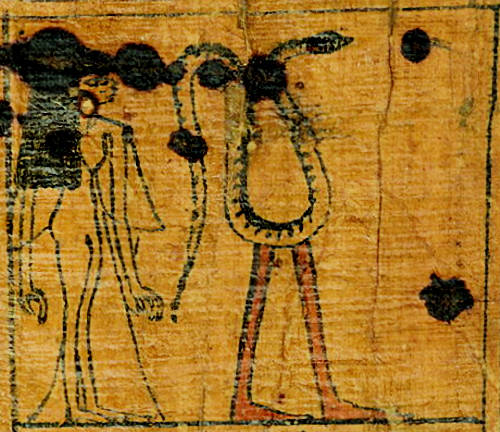
Khonsumes
Papyrus c. 1010 BC, 21th Dyn.
Photo VB 2023

Tentimen
Papyrus c. 1010 BC, 21th Dyn.
Photo BnF Gallica

Nestanebetisheru
Papyrus c. 960 BC, 21th Dyn.
© The Trustees of the British Museum


Imhotep
Papyrus c. 340 BC, Ptolemaic
Photo VB 2024

Padiamonnebnesouttaouy
Papyrus c. 280 BC, Ptolemaic
Photo BnF Gallica




Vignettes Spell 88
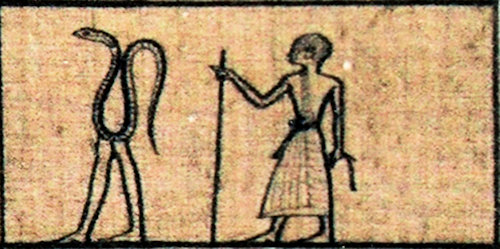
Transformation into a Crocodile
This spell enables the deceased to assume the form of Sobek, the crocodile deity associated with formidable power and with the life-giving, yet potentially dangerous, waters of Egypt. By declaring, “I am Sobek, surrounded by terror; I am Sobek, who seizes by violence,” the deceased identifies with the god’s awe-inspiring and aggressive potency
The spell further identifies the speaker as “the great and mighty fish-like being who is in the Bitter Lakes,” before concluding, “I am the lord of those who bow down in Letopolis.” The formula thus associates the deceased with Sobek’s feared aquatic power and with authority expressed through ritual submission.
See for analyses and academic information Totenbuch Spruch 88
Faulkner: “Spell for being transformed into a crocodile”, pg. 84

Spell 88 – ir.t xprw m sbk – Transformation into Sobek
Papyrus for Nakht c. 1325 BC, 18th Dyn.
© The Trustees of the British Museum
Senuseret
Papyrus c. 1475 BC, 18th Dyn.
Photo VB 2022/2023

Nebseni
Papyrus c. 1400 BC, 18th Dyn.
© The Trustees of the British Museum
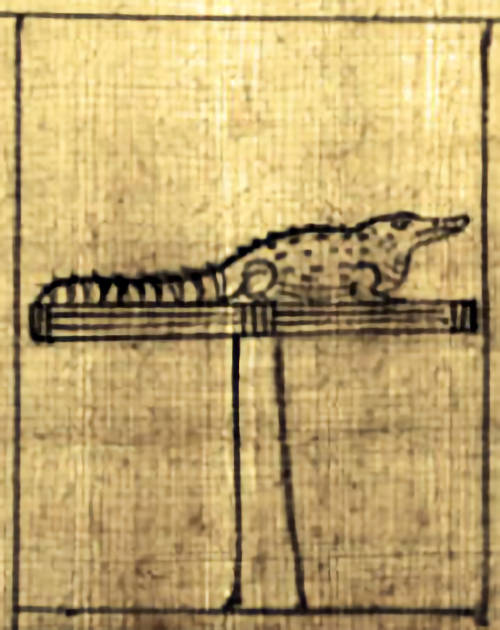
Nakht
Papyrus c. 1325 BC, 18th Dyn.
© The Trustees of the British Museum

Ani
Papyrus c. 1250 BC, 19th Dyn.
© The Trustees of the British Museum

Tajoeheryt
Papyrus c. 1050 BC, 21th Dyn.
Photo RMO Leiden

Nestanebetisheru
Papyrus c. 960 BC, 21th Dyn.
© The Trustees of the British Museum

Imhotep
Papyrus c. 340 BC, Ptolemaic
Photo VB 2024

Padiamonnebnesouttaouy
Papyrus c. 280 BC, Ptolemaic
Photo BnF Gallica